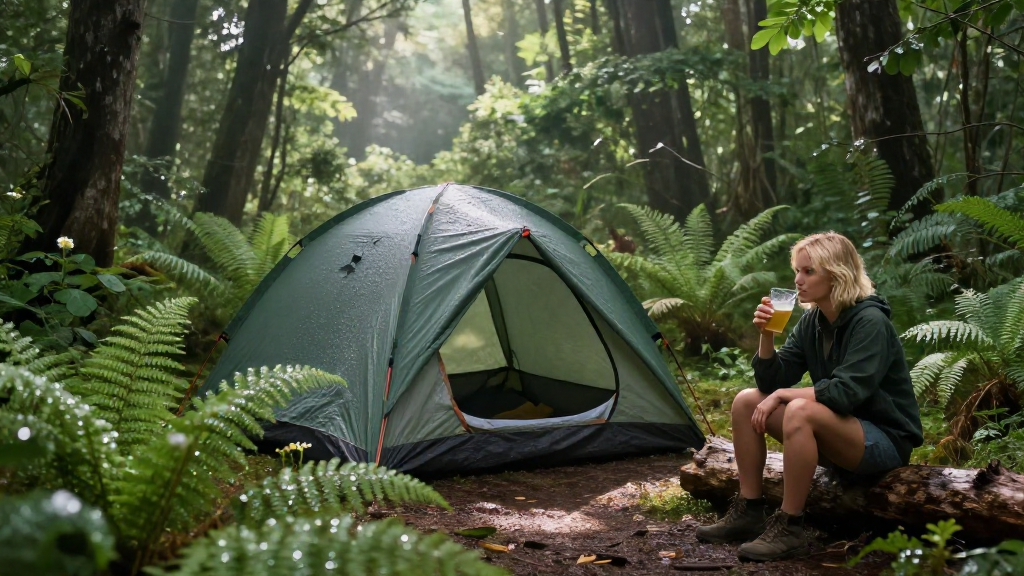
Camping in humid weather can be both a delightful adventure and a demanding challenge.
Understanding how to navigate the unique aspects of humidity can ensure a pleasant experience in the great outdoors.
What Should You Know About Humid Weather?
When we talk about camping in humid weather, several factors come into play.
Humidity often leads to:
- Increased heat: High moisture levels can make hot temperatures feel hotter.
- Bug activity: Mosquitoes and other insects thrive in humid conditions.
- Condensation: Equipment, tents, and sleeping bags can get damp.
To successfully camp in these conditions, preparation is essential.
How Should You Prepare for Camping in Humid Weather?
Proper preparation can significantly enhance your experience when camping in humid weather.
Here are some tips to ensure you’re ready:
-
Choose the Right Campground:
– Look for locations with adequate ventilation.
– Ensure there’s access to water and shade. -
Pack Appropriate Gear:
– Moisture-wicking clothing: Fabrics that draw moisture away from your skin can keep you dry.
– Lightweight and breathable tents: A tent with good airflow and mesh windows can reduce condensation. -
Stay Hydrated:
– Bring enough water for your trip, as humidity can disguise dehydration symptoms.
– Consider electrolyte drinks to replenish lost minerals. -
Prepare for Bugs:
– Use insect repellent with DEET or natural alternatives.
– Bring screens for your tent and wear long sleeves in the evening. -
Plan for Rain:
– Bring waterproof gear to manage unexpected downpours.
– A ground tarp can provide extra moisture protection beneath your tent.
What Are the Best Camping Tips for Humid Weather?
When camping in humid weather, applying effective strategies is key to enjoying nature without discomfort.
Here are some tips to facilitate your experience:
- Set Up Camp Early:
-
Aim to arrive at your campsite before the hottest part of the day to avoid heat buildup.
-
Choose Shaded Areas:
-
Find spots where trees provide shade, as they can help keep your camping area cooler.
-
Keep Your Gear Dry:
- Use waterproof bags for gear that must remain dry.
-
Store items in your tent, but avoid clutter to promote airflow.
-
Maintain Ventilation:
- Use vents in your tent to help reduce moisture buildup.
-
Open the doors (if safe) for airflow at night when temperatures drop.
-
Establish a Chunk of Downtime:
- Embrace the practice of resting during peak humidity times.
- Plan evening activities or dishwashing when the heat is less intense.
How Can You Stay Comfortable While Camping in Humid Weather?
Staying comfortable during camping in humid weather might seem challenging, but it’s achievable with the right mindset and actions.
Here’s how:
- Use Portable Fans:
-
Battery-operated fans can circulate air, providing a cooling effect.
-
Take Cool Showers or Sponges:
-
If possible, dip in water or use wet cloths to cool down.
-
Dress Smartly:
-
Wear light colors to reflect sunlight and looser fits to improve airflow.
-
Limit Physical Activity:
-
Engage in heavier activities like hiking during mornings or evenings.
-
Eat Light and Hydrating Foods:
- Opt for fruits and vegetables that have high water content, like watermelon and cucumbers.
What Should You Do If It Rains While Camping in Humid Weather?
Rain is common when camping in humid weather, but it shouldn’t derail your trip.
Follow these tips if the skies unleash their might:
- Set Up a Dining Fly:
-
A tarp can create a covered area for eating and socializing, keeping you dry.
-
Make Quick Decisions:
-
Reassess your plans and consider alternative indoor activities, like reading or playing games.
-
Use a Rainfly:
-
Ensure your tent is equipped with a rainfly to help keep water out.
-
Store Gear Properly:
- Move damp items away from dry gear to prevent everything from getting soaked.
Can You Enjoy Campfires in Humid Weather?
Campfires are a cherished part of camping, but how do you enjoy them when camping in humid weather?
Here are some considerations:
- Keep Wood Dry:
-
Store firewood off the ground to prevent moisture absorption.
-
Check Fire Restrictions:
-
Some locations may impose restrictions during humid weather due to fire hazards.
-
Use Alternative Cooking Methods:
-
If firewood is too damp, consider using a portable stove instead.
-
Save Evening Fires for Cool Nights:
- Firelight can help combat the heat when temperatures drop.
What Are the Risks of Camping in Humid Weather?
While camping in humid weather can be fun, there are some risks to be aware of:
- Heat Exhaustion: High humidity can lead to overheating.
- Dehydration: Sweating may mask dehydration symptoms.
- Mold and Mildew: Damp environments can encourage mold growth in gear.
It’s essential to recognize symptoms of heat-related illnesses, such as dizziness and rapid heartbeat, to act quickly in case of distress.
Why Should You Embrace Camping in Humid Weather?
Despite the challenges, camping in humid weather has numerous benefits that can enhance your outdoor experience.
Consider the following:
- Lush Landscapes: Humidity often brings vibrant greenery and thriving ecosystems.
- Fewer Crowds: Off-peak camping in summer can be less crowded, providing a more peaceful experience.
- Unique Experiences: Encountering diverse wildlife is often possible due to the moisture-rich environment.
By being proactive and informed, you can enjoy all these benefits while ensuring safety and comfort during your camping endeavor.
Conclusion
Embarking on a camping adventure during humid weather can certainly seem daunting, but the experience can be remarkably rewarding.
By preparing adequately, employing effective strategies, and practicing safety, you can enjoy the wonders of nature.
Now that you know how to camp in humid weather, it’s time to grab your gear and explore the magic of the outdoors!
Happy camping!