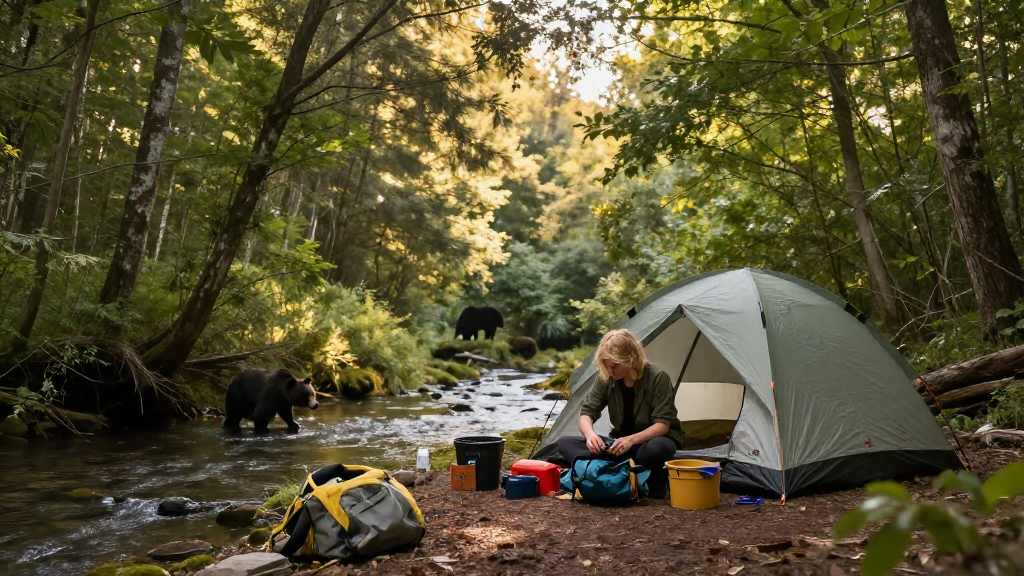
When you go camping in bear country, safety is paramount. Understanding how to coexist with wildlife, especially bears, can make your camping trip enjoyable and secure. In this article, we’ll explore essential tips and strategies for staying safe while camping in bear country.
What Should You Know About Bears Before Camping?
Understanding bear behavior is crucial when you’re camping in bear country. Here are a few key points to keep in mind:
-
Awareness of Different Species: There are primarily two bear species in North America: black bears and grizzly bears. Each has its own behavior patterns and dietary habits.
-
Bear Habitats: Bears are usually found near sources of food. This means they are likely to roam in areas with berry bushes, riverbanks with fish, or campsites with food scraps.
-
What Attracts Bears: The smell of food, garbage, and even personal hygiene products can attract bears.
Knowing these basics will help you prepare for your camping trip.
How Can You Minimize Bear Encounters While Camping?
While camping in bear country, there are several strategies you can adopt to minimize the risk of encounters:
1. Choose Your Campsite Wisely
- Set up camp at least 200 feet away from water sources and where bears may be foraging.
- Avoid camping under fruit trees or near berry patches.
- Use established campsites, as these are often located to limit human-bear interactions.
2. Store Food Properly
- Use bear-resistant containers to store all food and scented items, such as toothpaste and deodorant.
- Hang food in a bag at least 10 feet off the ground and 4 feet away from tree trunks if bear-proof containers are not available.
- Make sure you store food away from your sleeping area.
3. Keep the Campsite Clean
- Dispose of trash and food scraps properly. Use bear-proof trash cans if available.
- Clean cooking utensils and dishes promptly after use.
- Never leave food unattended.
4. Use Bear-Proof Equipment
- Invest in bear canisters or bags specifically designed to keep bears out.
- Carry bear deterrents like bear spray and know how to use it effectively.
What Should You Do if You Encounter a Bear?
In the unfortunate event you come face-to-face with a bear while camping in bear country, your response is critical:
1. Stay Calm and Assess the Situation
- Do not run. Bears can run faster than you can.
- If the bear is unaware of your presence, quietly back away and leave the area.
- If the bear notices you, make your presence known by speaking calmly but firmly.
2. Identify Yourself
- Speak in a low, calm voice while waving your arms slowly. This can help the bear recognize you as a human.
- Avoid making direct eye contact, as this can be seen as a challenge.
3. Back Away Slowly
- Gradually distance yourself from the bear, making sure not to turn your back or run away.
- Move towards the nearest safe area, like a car or a cabin, if available.
4. Use Bear Spray if Needed
- If the bear approaches aggressively, use bear spray as a deterrent. Aim slightly downward towards the bear’s face.
- Bear spray can be effective at distances of 20-30 feet.
Are There Safety Measures for Children and Pets?
When camping in bear country, specific precautions must be taken for children and pets:
1. Teach Children Bear Safety
- Explain the importance of not approaching bears and what to do if they encounter one.
- Ensure that children are accompanied by adults at all times, especially during hikes or explorations.
2. Keep Pets on Leashes
- Always keep dogs on a leash. Barking dogs can provoke bears or attract them to your campsite.
- Never leave pets unattended outside, as they can become bait for bears or get injured.
What Should You Do After a Bear Encounter?
Experiencing a bear encounter while camping in bear country can be a fear-inducing event. After the encounter, it’s essential to take some steps:
-
Document the Encounter: If you can, take notes of what happened. This can be reporting info for park rangers or safety records.
-
Change Locations if Needed: If a bear approaches your campsite multiple times, consider moving your camp to a different site.
-
Report the Encounter: Notify local park officials. They may need to track the bear to ensure it is not a threat to other campers.
Are There Resources for Safety in Bear Country?
Before heading out for camping in bear country, consider utilizing these helpful resources:
-
National Parks Website: Check the official website of the national park you’re visiting for bear safety data tailored to that area.
-
Bear Safety Classes: Some parks and outdoor organizations offer bear safety education classes.
-
Local Ranger Stations: Talk to park rangers who can provide insights on current bear activity and offer specific recommendations.
Conclusion: Embrace Nature, Stay Safe
Camping in bear country can be an incredible experience if you prepare adequately and follow safety precautions. Understanding bear behavior and employing safety measures significantly reduces your risk while allowing you to appreciate nature’s beauty.
Embrace this adventure by staying informed and responsible. With the right approach, you can safely enjoy all that camping in bear country has to offer. Whether you’re hiking, fishing, or simply soaking up the great outdoors, remember that nature is best enjoyed respectfully and safely.
By following these tips, you’ll ensure a safe camping experience that keeps both you and the bears at a comfortable distance, allowing for a memorable adventure in the wild!