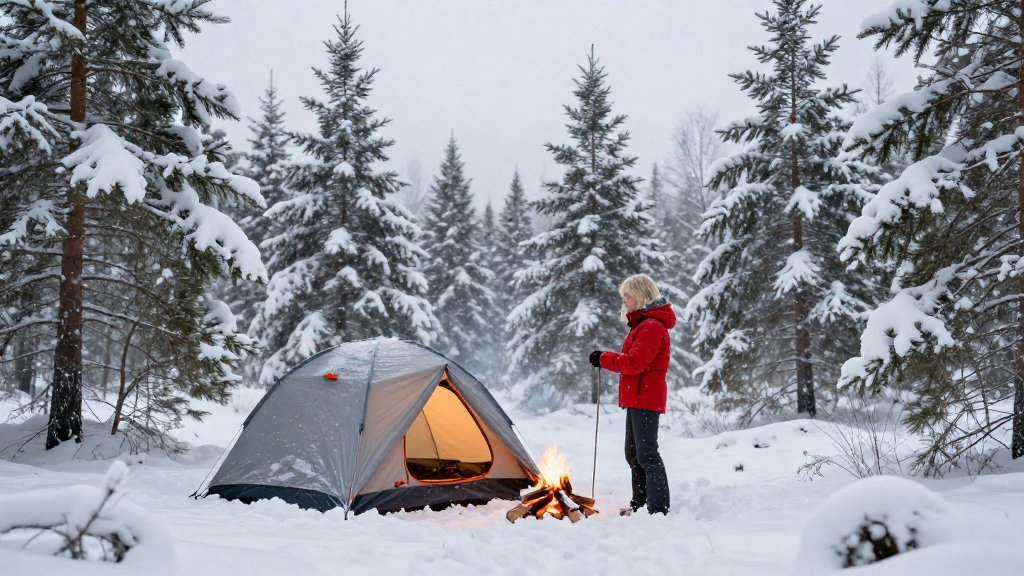
Camping in winter snow presents a unique adventure for outdoor enthusiasts ready to embrace the chill.
While it may seem daunting, with the right preparation and gear, you can have an unforgettable camping experience surrounded by serene, snowy landscapes.
What Do You Need for Camping in Winter Snow?
When preparing for camping in winter snow, it’s crucial to have the right equipment.
Here’s a list of essentials you should consider:
-
Winter Tent
Look for a four-season tent that can withstand heavy snowfall and windy conditions. -
Sleeping Bag
Choose a sleeping bag rated for sub-zero temperatures. Mummy-style bags are often best for retaining heat. -
Sleeping Pad
An insulated sleeping pad will provide an extra layer of warmth between you and the ground. -
Winter Clothing
Layering is key. Invest in:
– A moisture-wicking base layer
– An insulating middle layer
– A waterproof and windproof outer layer -
Cooking Equipment
A portable stove that works in cold conditions is essential. Ensure you have proper fuel that does not freeze in low temperatures. -
Navigation Tools
Maps, compasses, and GPS devices are crucial for navigating snowy terrain. -
Safety Gear
First-aid kits, headlamps, and multi-tools can be lifesavers in snowy conditions.
How Can You Stay Warm While Camping in Snow?
Staying warm while camping in winter snow is crucial for both comfort and safety. Here are effective strategies:
-
Choose the Right Campsite
Look for natural wind barriers such as trees or rocks to shield your tent from harsh winds. -
Proper Tent Setup
Make sure your tent is pitched firmly and securely to prevent heat loss. Consider covering it with a tarpaulin for added insulation. -
Insulate the Ground
A thick layer of pine boughs or snow can provide insulation from the cold ground. This helps to create a thermal barrier and keeps you warmer. -
Use Hot Water Bottles
Fill a water bottle with hot water and place it in your sleeping bag before you go to sleep. This simple trick can keep you warm throughout the night. -
Limit Exposure
Use your tent for warmth, especially when temperatures plunge. Only venture out when necessary.
What Food Should You Bring for Winter Camping?
Nutrition is crucial when camping in winter snow, as energy demands increase in cold weather.
Here’s a list of foods that can fuel your adventure:
-
High-Calorie Snacks
Nuts, chocolate, and energy bars can provide quick energy boosts. -
Warm Meals
Pack freeze-dried meals for easy cooking and lightweight packing. Hot soups and stews can be both hearty and warming. -
Hydration
Bring a thermos filled with hot tea or coffee to stay hydrated and warm. -
Essential Nutrients
Don’t forget to include fruits and vegetables for essential vitamins.
How to Melt Snow for Drinking Water?
Water is essential during your trip. If you find yourself surrounded by snow, here’s how to convert it into drinkable water safely:
-
Collect Fresh Snow
Gather clean, white snow, avoiding discolored patches. -
Melt Slowly
Place the snow in a pot over your stove and melt it slowly. -
Boil to Purify
Boil the water for at least one minute to ensure it’s safe for drinking.
What Challenges Might You Face When Camping in the Snow?
Despite the wonders of camping in winter snow, it comes with its challenges.
Understanding these obstacles can help you prepare better:
-
Hypothermia: This potentially life-threatening condition can occur if you’re exposed to cold for too long. Make sure to monitor your body temperature and stay dry.
-
Avalanche Risks: If you’re camping in mountainous areas, be aware of avalanche danger signs. Always check local reports and stay informed.
-
Limited Daylight: Days are much shorter in winter, limiting the time you have for activities. Plan your itinerary carefully around daylight hours.
-
Increased Weight and Bulk: Carrying heavy equipment and clothing can be physically demanding. Train your body and practice packing efficiently.
How to Safely Pack Your Gear for Winter Camping?
Proper packing is crucial for effective camping in winter snow.
Use these tips to organize your gear safely:
-
Pack Light: Limit your equipment to essentials to avoid being overwhelmed by backpack weight.
-
Use Waterproof Bags: Protect your gear from snow and moisture with waterproof bags.
-
Place Heavy Items Near Your Back: This helps maintain balance and comfort while hiking.
-
Organize by Weight: Distribute your gear evenly to balance your load.
What Should You Do in Case of an Emergency?
Even with the best preparation, emergencies can happen while camping in winter snow. Always have a plan:
-
Identify Safe Spots
Familiarize yourself with safe areas for shelter in case of severe weather. -
Signal for Help
Always carry a whistle or mirror as a signaling device in case you need to attract attention. -
Know Basic Survival Skills
Familiarize yourself with basic first-aid and survival skills beforehand. -
Stay Calm
In emergencies, panic can lead to poor decisions. Take deep breaths and think logically about your next steps.
Conclusion: Are You Ready for Winter Adventures?
Camping in winter snow may seem intimidating at first, but with the right preparation, it can become a thrilling experience filled with unique beauty and solitude.
Prioritize safety and warmth, and make sure to pack the essential gear.
With the joy of winter landscapes comes the responsibility of understanding their challenges.
So are you ready to embrace winter camping? The snow-covered wilderness awaits your exploration!