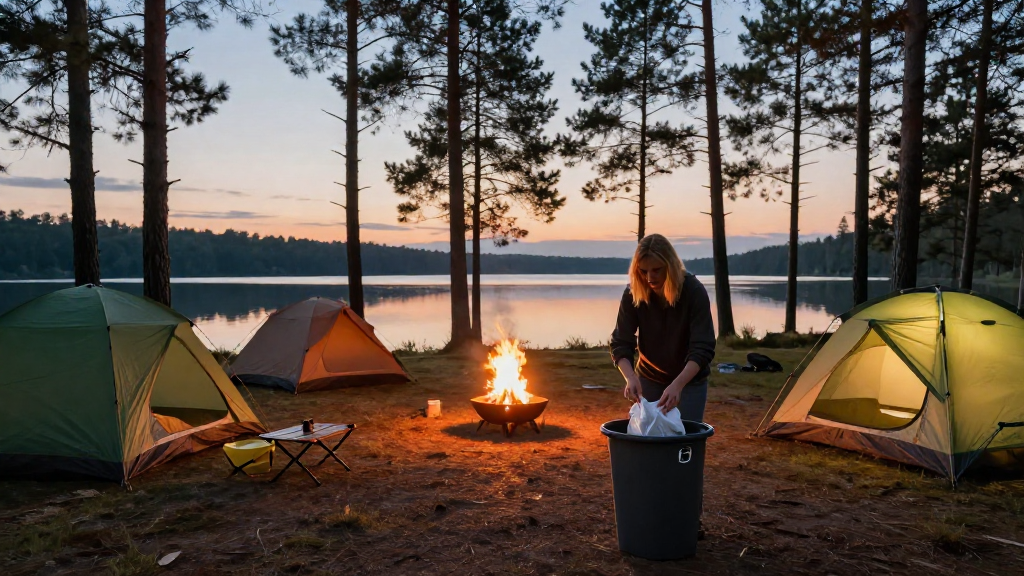
When you’re out in nature, adhering to camping waste disposal rules is crucial for preserving the environment.
Understanding and following these regulations not only keeps your campsite clean but also protects wildlife and ensures that nature remains pristine for future campers.
What Are the Basic Camping Waste Disposal Rules?
Camping comes with its own set of responsibilities, and waste disposal is one of the most important aspects to consider. Here are the foundational rules regarding waste disposal while camping:
-
Pack It In, Pack It Out: This popular phrase sums it up perfectly.
- Don’t leave any waste behind.
- Bring all your trash back with you when leaving your campsite.
-
Use Designated Waste Bins:
- If available, always use the trash and recycling bins provided by the campsite.
- This helps to ensure that waste is processed properly.
-
Compost Organic Waste:
- If legal and safe to do so, use compost bins for food scraps.
- Keep in mind the risk of attracting wildlife, so always check guidelines.
-
Dispose of Human Waste Properly:
- Follow the Leave No Trace principles regarding human waste disposal.
- If there are no restrooms, dig a cathole at least 200 feet from water sources and camp areas.
-
Avoid Washing Dishes in Natural Water Sources:
- Always use biodegradable soap away from water bodies.
- Dispose of dishwater at least 200 feet from any water source to protect aquatic life.
-
Be Aware of Local Regulations:
- Different parks and regions may have specific rules regarding waste disposal due to varying wildlife and environmental concerns.
- Always check local guidelines before setting out.
Why Are Camping Waste Disposal Rules Important?
Understanding the importance of camping waste disposal rules cannot be overstated. Here are some critical reasons to adhere to these regulations:
-
Protecting Wildlife: Proper waste disposal helps prevent attracting animals to your campsite, safeguarding both you and the wildlife.
-
Preserving Natural Beauty: When everyone follows the rules, the landscape remains beautiful and unspoiled for others to enjoy.
-
Preventing Pollution: Disposing of waste incorrectly can lead to soil and water contamination, which can be harmful to both humans and animals.
-
Legal Compliance: Many campgrounds have strict regulations regarding waste disposal. Non-compliance can lead to fines or bans from the area.
What Should You Do with Trash and Recycling?
When it comes to disposing of your refuse, knowing what to do with various materials is essential. Here are guidelines regarding trash and recycling while camping:
-
Collect All Trash:
- Keep a trash bag by your side to ensure you don’t leave anything behind.
-
Separate Recyclables:
- If possible, sort your recyclables into separate bags or bins.
- Common recyclable items include:
- Aluminum cans
- Plastic bottles
- Paper
-
Take Everything With You:
- Even if you’re tempted to leave some trash near disposal areas, it’s vital to take everything back home with you.
- Consider using reusable containers for food and drinks to minimize waste.
How Should You Handle Food Waste?
Food scraps can pose particular challenges in camping waste disposal. Here’s how to manage them appropriately:
-
Avoid Leaving Food Out:
- Store food in bear-proof containers or hang it at least 10 feet off the ground when in bear country.
-
Visit Designated Areas for Food Disposal:
- Some campsites provide specific areas for food waste.
- Always adhere to these guidelines to avoid animal interactions.
-
Microbial Digester Bags:
- Some campers carry microbiological waste digester bags to decompose plant-based food waste.
- This is a handy and eco-friendly option if you’re venturing off-grid.
What About Human Waste?
Poor management of human waste can lead to significant health and environmental problems. Here’s what to remember when it’s time to go:
-
Dig a Cathole:
- Always dig a cathole at least 6-8 inches deep and 200 feet away from water sources and trails.
-
Use Biodegradable Toilet Paper:
- You can bury biodegradable toilet paper in the hole, but it’s better to pack it out if possible.
-
Follow Local Regulations for Restrooms:
- If your campground has facilities, make sure to use them.
- Always keep them clean by disposing of waste as instructed.
Can You Wash Up while Camping?
Keeping hygienic practices in mind is essential while camping, but so is proper disposal of wastewater.
-
Use Biodegradable Soap:
- Always opt for biodegradable soap when washing dishes or yourself.
-
Dispose of Wash Water Appropriately:
- Scatter dishwater at least 200 feet from water sources to avoid contamination.
-
Leave the Area Clean:
- Ensure that you leave no traces of soap or food particles behind, as they are harmful to local ecosystems.
What are the Consequences of Ignoring Waste Disposal Rules?
Disregarding camping waste disposal rules can lead to several negative outcomes:
-
Wildlife Interaction: Improper waste disposal may attract wild animals, resulting in dangerous encounters.
-
Environmental Damage: Litter and waste can lead to pollution of soil and water, harming both ecosystems and wildlife.
-
Legal Repercussions: Many parks enforce strict rules, and violations can result in hefty fines or removal from the area.
Conclusion: How Can You Prepare for Responsible Camping?
Planning is critical to ensure you adhere to camping waste disposal rules effectively. Here’s how you can prepare:
-
Plan Ahead:
- Research the area you’ll be camping in to understand its specific waste disposal rules.
-
Bring Necessary Supplies:
- Carry trash bags, reusable containers, and any additional items to minimize waste.
-
Educate Your Group:
- Make sure everyone in your group understands the waste disposal rules to ensure collective responsibility.
-
Leave No Trace:
- Familiarize yourself with Leave No Trace principles and put them into practice during your trip.
By being responsible and respectful, you can enjoy a wonderful camping experience while protecting and preserving the beautiful natural environment around you. Happy camping!