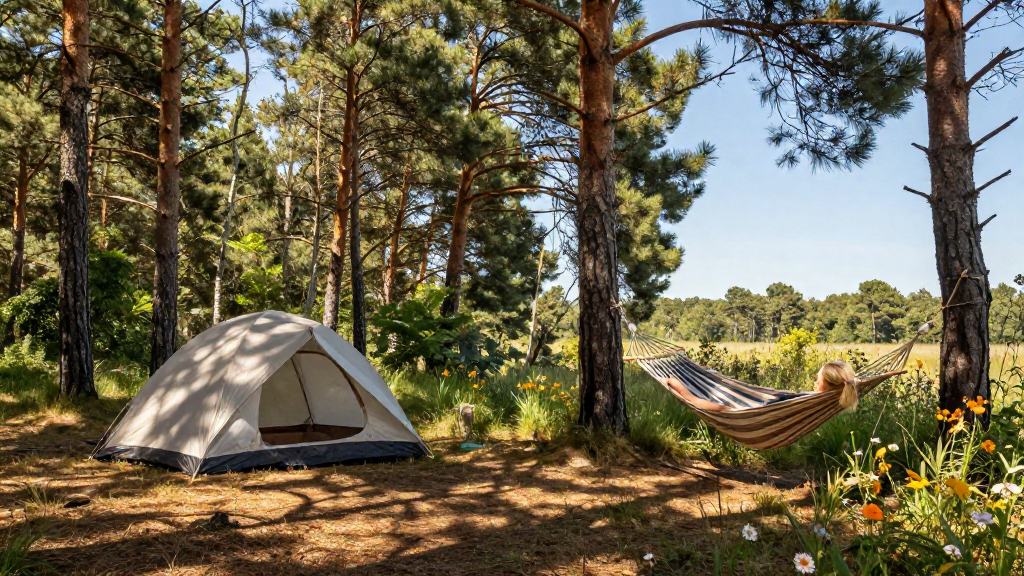
When it comes to sleeping outdoors, the debate of tent vs hammock camping is as old as camping itself.
Both options offer unique benefits and drawbacks, making the choice significantly dependent on personal preferences and specific camping conditions.
What Are the Key Differences in Tent vs Hammock Camping?
Tent camping generally involves pitching a structure that protects you from the elements.
This includes rain, wind, and insects.
On the other hand, hammock camping relies on suspending a fabric bed between two trees or posts.
Here are some key differences:
- Setup:
- Tents require a bit more time and effort to pitch properly.
-
Hammocks, in contrast, can often be set up in just a few minutes.
-
Weight:
- Tents can be bulkier and heavier, especially if you’re carrying all the necessary components (like stakes and a rainfly).
-
Hammocks usually take up less space and weigh considerably less, making them ideal for backpackers.
-
Comfort:
- Many campers find tents to be roomier and more accommodating for multiple people or gear.
-
Hammocks can be more comfortable for some, providing a gentle sway and the elevation needed to avoid ground chill or moisture.
-
Weather Resistance:
- Tents generally offer better protection against extreme weather conditions, such as heavy rainfall or strong winds.
- Hammocks require additional equipment like rainflys and underquilts to provide proper weather protection.
Which Is More Comfortable: Tent or Hammock?
Comfort is another major factor when considering tent vs hammock camping.
For many, the decision boils down to personal preference.
Hammocks tend to provide:
- A natural cradle-like feeling.
- Elevation off the ground, which helps avoid moisture and insects.
- The ability to sway gently in the breeze, creating a relaxing environment.
However, people’s comfort can heavily depend on how they sleep.
If you are someone who rolls around a lot at night, a tent may suit you better as it offers more room.
In the end, it may be worth trying both options before establishing a preference.
What about Weather Protection in Tent vs Hammock Camping?
When examining tent vs hammock camping, the aspect of weather protection cannot be overlooked.
-
Tents typically come with built-in features designed to shield against weather elements:
-
A rainfly covering to protect from rain.
- Waterproof flooring that prevents moisture from seeping in.
-
Walls that shield against wind and snow.
-
Hammocks, however, require additional gear for effective weather protection:
-
Rainflys that can cover the top of the hammock, preventing water entry.
- Underquilts or sleeping pads to retain heat and provide insulation from the cold air.
In harsher conditions such as thunderstorms or heavy snow, the tent generally provides more robust protection.
How Does Mobility Compare in Tent vs Hammock Camping?
Mobility is another crucial consideration in the tent vs hammock camping debate.
For lightweight backpacking trips, a hammock can provide superior mobility.
-
Benefits of using a hammock:
-
Requires less space and weight in your pack.
- Allows for easy transport between sites due to its compact size.
In contrast, tents tend to be bulkier and more challenging to carry.
-
On the downside, tents can be:
-
Difficult to maneuver into tight spots, especially in densely wooded areas.
- Complicated to set up in sandy or rocky ground where tree support is lacking.
What Are the Costs Involved with Each Option?
Let’s take a look at costs associated with tent vs hammock camping.
-
Tents can range from affordable models priced below $100 to luxurious options costing several hundred dollars.
-
Hammocks, on the other hand, can also vary widely in price.
-
A basic hammock can be purchased for less than $50, while more advanced models with integrated bug nets and rainflys may run up to $200 or more.
Consider the entire setup cost for both options if you want to camp in comfort.
Don’t forget to factor in additional components like a sleeping bag, sleeping pad, and any necessary accessories that can heighten the overall experience.
How Do You Choose Based on Camping Style?
Your camping style can significantly determine which option works best for you, leading to a better understanding of tent vs hammock camping.
- Family Camping:
-
Tents are typically better for families or groups, as they offer more sleeping space.
-
Backpacking:
-
If you’re planning to hike extended distances, hammocks may be a more efficient option, allowing for reduced pack weight.
-
Casual Weekend Getaways:
- Both options work, but tents can provide a more home-like experience.
Ultimately, your choice should reflect how you plan to use your camping gear.
What Do the Experts Say About Tent vs Hammock Camping?
Camping enthusiasts and outdoor experts often weigh in on the tent vs hammock camping debate.
- Some experts cite mobility and comfort as primary factors, particularly for solo hikers.
- Others argue that weather protection and versatility make tents a safer option for families or groups.
Listening to these expert opinions can help inform your decision.
It’s also a good idea to check review sites, forums, and specialized blogs that discuss various camping options for up-to-date information.
Which One is More Eco-Friendly?
Lastly, consider the environmental implications of your choice between tent vs hammock camping.
- Tents can leave a larger footprint if they are not properly set up.
-
They can often disrupt the local flora, particularly when staking down tent pegs.
-
Hammocks, when used responsibly, can often have less impact on the environment.
With proper precautions, they can minimize ground disturbance.
Using tree-huggers (soft straps that encircle the trees) can also prevent damage to bark and promote environmental friendliness.
Conclusion
Ultimately, the choice between tent vs hammock camping hinges on your individual needs and preferences.
Both options have their distinct advantages and disadvantages, making them suitable for different types of camping experiences.
- Consider the setup, comfort, weather protection, and mobility.
- Evaluate your camping style and budget, and remember to consider the environment in decision-making.
Trying both methods could lead to a newfound appreciation for the best that nature has to offer, no matter how you choose to sleep under the stars!