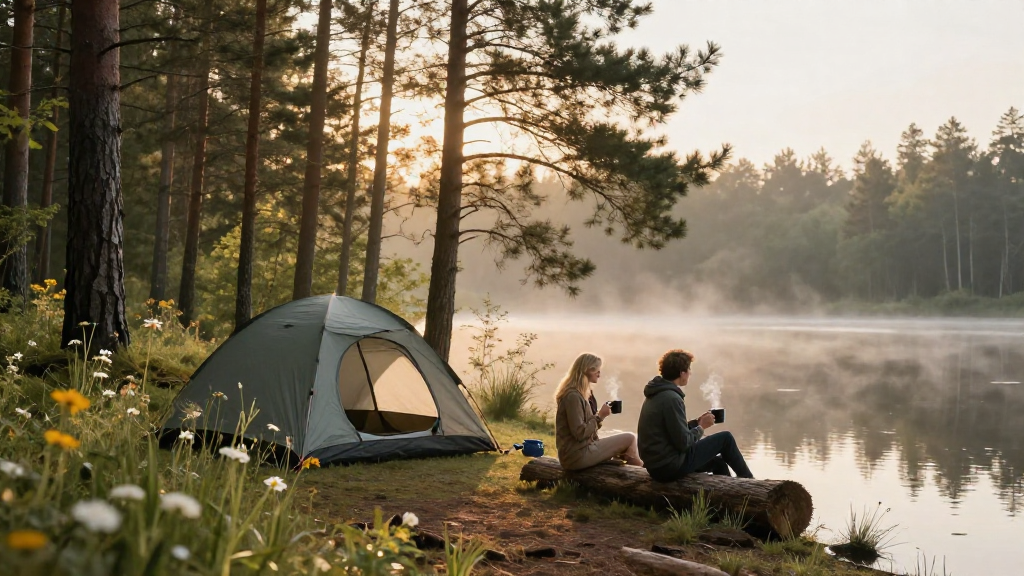
When venturing into the great outdoors, knowing how to choose a campsite can significantly enhance your experience.
Selecting the right spot is vital for a comfortable and enjoyable camping trip.
Why is Choosing the Right Campsite Important?
Understanding how to choose a campsite not only ensures safety but also maximizes fun.
Here are a few reasons why it matters:
- Safety: A poor location can expose campers to hazards such as flooding or wildlife encounters.
- Comfort: A well-chosen site allows for easier setup and relaxation.
- Accessibility: Proximity to amenities can enhance your trip, especially if you have children or elderly campers.
By considering these factors, you can guarantee a much more enjoyable outdoor experience.
What Should You Consider When Selecting a Campsite?
When thinking about how to choose a campsite, it’s essential to evaluate several aspects before making a decision.
1. Location, Location, Location
The location of your campsite influences everything from safety to accessibility.
Ask yourself:
- Is the campsite near water sources like lakes or rivers?
- How far is it from hiking trails or other attractions?
- What is the elevation? Higher elevations might be cooler, while lower ones might be more humid.
2. Weather and Season
The time of year can drastically affect your camping experience.
How to choose a campsite based on weather includes:
- Checking whether the campsite is known for heavy rain or snow during certain months.
- Understanding the temperature ranges and conditions typical to the area during your visit.
- Preparing for windbreaks or sun exposure based on the weather forecast.
3. Amenities and Facilities
What facilities are available, and do they meet your needs?
Consider:
- Restrooms and showers: Are they near your potential campsite?
- Picnic tables or fire pits: Does the site offer these amenities, and are they well-maintained?
- Trash disposal: Is there a system for waste management right at the site?
Amenities can make or break your camping experience, especially for families and new campers.
4. Terrain and Ground Conditions
The ground you camp on plays a significant role in your comfort.
Assess:
- Is it flat, rocky, or uneven?
- Are there roots, sharp rocks, or other obstacles that could disrupt sleeping?
- Is the area prone to runoff during rain events?
The ideal ground should be level and cushioned with grass or leaves to ensure comfort during sleep.
5. Wildlife Awareness
Understanding the wildlife in the area is crucial for safety.
How to choose a campsite in relation to wildlife includes:
- Knowing if the area has bears or other dangerous animals, and how to store food properly.
- Being aware of potential swarms of insects, such as mosquitoes or ticks, and considering a nearby area that might be less infested.
- Familiarizing yourself with local wildlife regulations and advice.
6. Privacy and Noise Levels
Many campers seek solitude or quiet natural environments.
When selecting a campsite, consider:
- How far is your site from other campers?
- Are there natural barriers like trees or hills that provide privacy?
- Will you be close to busy trails or roads that could disrupt the peace?
Choosing a more secluded location can enhance your camping adventure.
How to Assess Campsite Safety?
Safety is paramount during every camping trip. Here’s how to choose a campsite with safety in mind:
- Distance from water sources: A general rule of thumb is to camp at least 200 feet away from lakes or rivers to prevent contamination and flooding.
- Check for dead trees: Look up—dead trees, or ‘widow makers,’ can fall unexpectedly.
- Avoid risky areas: Steer clear of cliffs, ravines, or unstable ground.
Establishing a firm understanding of your surrounding environment can keep you safe.
How to Find Campsites?
Finding the perfect campsite can be a rewarding experience.
Some effective ways include:
- Online Searches: Websites like ReserveAmerica or Camping.com allow you to search by location and specific criteria.
- Social Media: Platforms like Instagram or Facebook groups can provide reviews and pictures of campsites from fellow outdoor enthusiasts.
- Local Ranger Stations: Contact ranger stations for advice on less-known sites and insider tips.
These resources can help you find the right spot tailored to your preferences.
What Gear Do You Need to set Up Your Campsite?
Once you’ve established how to choose a campsite, the next step involves gathering essential gear.
- Tent: Make sure it accommodates the number of people comfortably.
- Sleeping Bags: Choose bags suited for the climate you’ll be camping in.
- Cooking Gear: Bring cookware, a portable stove, and utensils.
- Food and Water: Ensure you pack enough food and a water filtration system or purification tablets.
Preparation is vital to making the most of your experience.
How to Leave No Trace?
An important part of camping is understanding the principles of Leave No Trace.
These principles revolve around being responsible and respectful of nature:
- Plan Ahead: Research regulations and camp in designated areas.
- Travel and Camp on Durable Surfaces: Stick to established trails and campsites.
- Dispose of Waste Properly: Always pack out what you pack in.
- Leave What You Find: Take only pictures; leave only footprints.
Following these guidelines ensures that natural beauty remains for future generations.
Conclusion
Now that you know how to choose a campsite, you’re equipped to make informed decisions that lead to memorable outdoor experiences.
By considering factors like location, safety, and terrain, you can find the perfect spot tailored to your needs.
Remember, preparation is key to a successful camping trip, and being mindful of the environment ensures that everyone can enjoy the wonders of nature.
Get out there, choose your campsite wisely, and revel in the beauty that awaits you in the great outdoors!