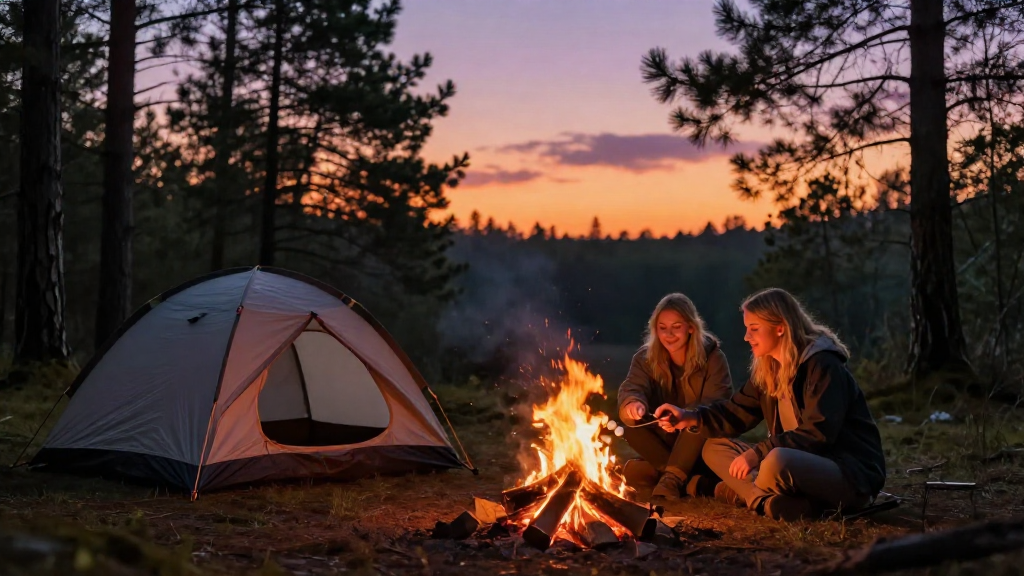
Camping can be a thrilling adventure, offering a unique opportunity to disconnect from the hustle and bustle of daily life.
To make your outdoor experience enjoyable, it’s essential to follow some basic guidelines, known as camping do’s and don’ts.
What Are the Key Camping Do’s and Don’ts?
Understanding the camping do’s and don’ts can significantly enhance your trip. Here are some essential guidelines:
Do: Plan Ahead
Planning is crucial when it comes to camping.
Make sure to:
-
Choose the Right Location: Research various campsites and select one that fits your needs.
-
Check the Weather: Being aware of the weather conditions can help you pack appropriately.
-
Make Reservations: If required, don’t forget to book your campsite in advance to avoid last-minute surprises.
Don’t: Forget Your Gear
There’s nothing worse than arriving at your campsite only to realize you’ve left behind essential gear.
Here’s a checklist of must-haves:
-
Tent or Shelter: Ensure it’s weather-resistant and the right size for your group.
-
Sleeping Bag: Choose one suitable for the season.
-
Cooking Supplies: Don’t forget a portable stove, utensils, and food.
-
First-Aid Kit: Always be prepared for minor injuries.
Do: Follow Leave No Trace Principles
One of the most vital camping do’s is respecting nature.
To preserve the beauty of your surroundings, adhere to these principles:
-
Plan Ahead and Prepare: Helps in minimizing waste and impacts.
-
Travel and Camp on Durable Surfaces: Stick to established trails and campsites.
-
Dispose of Waste Properly: Pack out everything you bring in, or dispose of it in designated areas.
-
Leave What You Find: Preserve cultural and natural resources by not disturbing them.
Don’t: Disturb Wildlife
While camping, it’s tempting to interact with wildlife, but that can be harmful to both you and the animals.
Here’s what to avoid:
-
Feeding Animals: This can lead to dependency and altered behaviors.
-
Getting Too Close: Always maintain a safe distance to prevent stressing them or provoking aggressive behavior.
Do: Respect Campfire Rules
Campfires can enhance the camping experience, but they come with responsibilities.
Here’s how to enjoy them safely:
-
Check Fire Regulations: Some areas may have restrictions, especially during dry seasons.
-
Build Fires in Designated Areas: This minimizes the risk of wildfires.
-
Keep Fires Small and Contained: A small fire is easier to manage and puts less strain on the environment.
-
Extinguish Completely: Ensure your fire is out cold before leaving the area.
Don’t: Leave Trash Behind
Leaving trash is not only inconsiderate but also detrimental to wildlife and the environment.
Here’s how to avoid it:
-
Pack Out What You Pack In: Bring trash bags with you to gather waste.
-
Use Recycling Bins: If available, use designated recycling containers.
-
Don’t Burn Plastic: Not all materials are safe to burn. It’s better to take them with you.
Do: Stay Hydrated and Nourished
When camping, your health and energy levels are essential for enjoying your trip.
To stay in top shape:
-
Drink Plenty of Water: Carry enough drinking water or a means to purify water.
-
Eat Balanced Meals: Focus on nutritious foods to keep your energy levels high, such as:
-
Fruits and Vegetables: Lightweight and nutrient-rich.
-
Protein Sources: Think nuts, jerky, or canned meals.
Don’t: Overpack or Underpack
Striking the right balance in packing is essential for a successful trip.
To get it right, consider:
-
Minimalism: Bring versatile clothing and gear that can serve multiple purposes.
-
Essentials Only: Avoid unnecessary items to keep your load light.
Do: Learn Basic Outdoor Skills
Basic skills can make your camping experience smoother and safer.
Consider practicing:
-
Fire Building: Learn various methods for building a fire.
-
Navigation: Familiarize yourself with maps and compasses.
-
Cooking Outdoors: Know how to cook over a fire or portable stove.
Don’t: Ignore Safety Precautions
Safety should always be a priority while camping.
To ensure a secure camping experience:
-
Know Your Limits: Choose activities that match your skill level.
-
Stay Aware: Be vigilant about surroundings and weather changes.
-
Communicate Your Plans: Let someone know your itinerary and expected return.
Do: Engage with Nature
Camping is all about connecting with nature.
To make the most of it:
-
Explore Your Surroundings: Take hikes or nature walks.
-
Practice Mindfulness: Spend time soaking in the sights and sounds around you.
-
Observe Wildlife: Bring binoculars to look for birds and other wildlife.
Don’t: Be Disrespectful to Others
Camping is often a communal experience, so it’s crucial to be considerate.
To maintain harmony:
-
Keep Noise Levels Down: Respect fellow campers by keeping conversations and music at a low volume.
-
Follow Etiquette: Greet others, share friendly tips, and use common areas respectfully.
Conclusion: What Are the Camping Do’s and Don’ts That Matter the Most?
By following the camping do’s and don’ts outlined above, you can ensure that your experience is enjoyable, safe, and respectful to nature and fellow campers.
Remember that camping is about relaxing, seeking adventure, and making memories with friends and family.
The best camping trips include a little preparation and a lot of respect for the environment.
So pack your gear, hit the road, and enjoy everything the great outdoors has to offer!