If you’re an outdoor enthusiast, knowing how to waterproof a tent is essential for ensuring a comfortable and dry camping experience.
Why Is Waterproofing Important?
Before we delve into the methods of waterproofing, it’s important to understand why waterproofing your tent matters.
- Protection Against Rain: A waterproof tent keeps you dry during unexpected rain showers.
- Prevention of Mold and Mildew: Moisture trapped inside can lead to mold, which can damage both you and your gear.
- Increased Longevity: Proper waterproofing extends the lifespan of your tent, ensuring you get more camping trips out of it.
How Do You Know Your Tent Needs Waterproofing?
If you’re wondering how to waterproof a tent, first check its current waterproof status.
- Age of the Tent: Older tents may lose their waterproofing abilities.
- Water Test: Conduct a simple water test. Pour a small amount of water over each section; if it seeps through, it’s time for waterproofing.
- Previous Experience: If you’ve camped in the rain before and noticed leaks, your tent likely needs attention.
What Are the Best Methods to Waterproof a Tent?
There are multiple ways to waterproof a tent, depending on its material and age. Below are popular methods and products used for this purpose.
1. Use a Waterproofing Spray
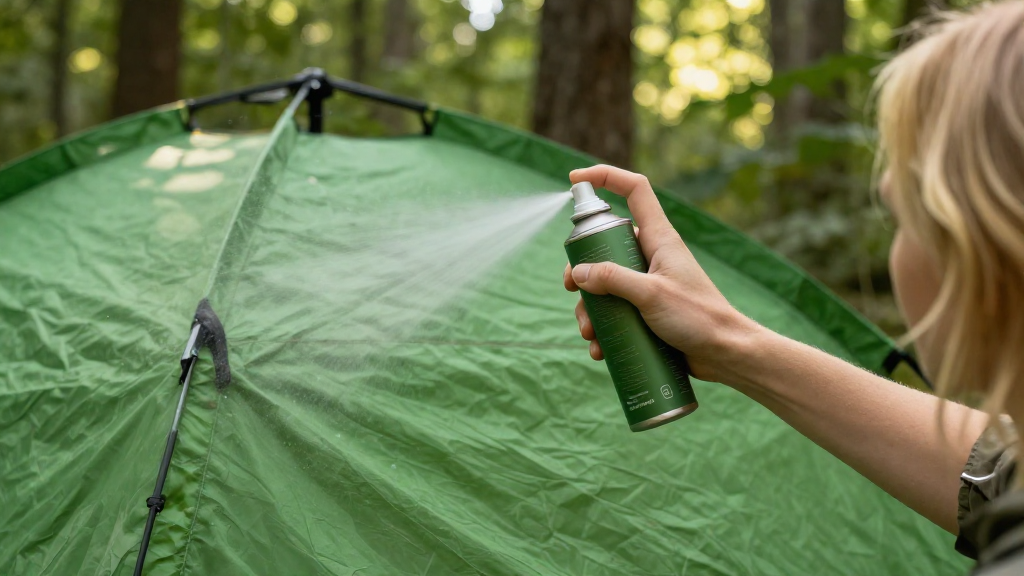
How to waterproof a tent using spray?
- Choose the Right Spray: Look for silicone or polyurethane-based sprays specifically designed for fabric. Brands like Nikwax, Atsko, or McNett are popular choices.
- Prepare Your Tent: Make sure the tent is clean and dry before application. Set it up outside or in a well-ventilated area.
- Spray Evenly: Hold the can about 6-8 inches away from the surface and spray evenly across the tent, ensuring complete coverage.
- Dry Time: Allow the tent to dry completely before storing or using it again.
2. Seam Sealant Application
What is seam sealing and is it necessary?
Seam sealing is a crucial process because many tents are stitched together, creating tiny holes where water can enter.
- Purchase Seam Sealer: Look for a product designed for outdoor gear.
- Identify Stitched Areas: Inspect your tent for all seams, especially the ones around the fly and groundsheet.
- Apply Sealer: Using a small brush or your fingertip, apply seam sealer over and into the stitched areas.
- Wait for Curing: Allow sufficient time for the seam sealer to cure as per the manufacturer’s instructions.
3. Tent Footprint and Tarps
How can a footprint improve waterproofing?
Using a tent footprint or tarp can significantly improve moisture protection.
- Choose the Right Size: Ensure the footprint fits your tent perfectly without hanging out.
- Lay It Down: Position the footprint or tarp under your tent. This prevents ground moisture from seeping through.
- Elevate Tent Edges: Ensure the edges of the groundsheet are elevated to prevent pooling water.
4. Store It Properly
Does storage affect waterproofing?
Yes, improper storage can compromise your tent’s waterproofing.
- Clean and Dry: Always clean your tent and allow it to dry fully before packing it away.
- Avoid Compression: Store your tent loosely in a dry environment.
- Check Regularly: Inspect your tent at least once a season for signs of wear or leaks.
5. Regular Maintenance
Why is maintenance crucial for waterproofing?
Regular upkeep can effectively prolong your tent’s waterproof capabilities.
- Routine Inspections: Check the tent for signs of wear and tear before each trip.
- Reapply Waterproofing: Make it a habit to reapply waterproof spray and seam sealant every year or after frequent use.
- Keep It Clean: Dirt and grime can wear down waterproof coatings, so clean it regularly.
When Should You Consider Replacement?
Sometimes, despite your best efforts in how to waterproof a tent, a replacement might be necessary.
- Severe Damage: If the tent fabric is torn or the waterproofing has completely failed, replacing it may be your best option.
- Old Age: A well-used tent, over 8-10 years old, may not hold up as well against elements, necessitating a purchase.
- Frequent Leaks: Continual leaks, even after proper waterproofing attempts, indicate that it might be time for an upgrade.
Conclusion
Understanding how to waterproof a tent is an essential skill for any camping enthusiast.
With proper techniques such as using waterproof sprays, seam sealing, and good maintenance practices, you can significantly enhance your tent’s performance against water exposure.
Remember, preparation is key; taking the time to waterproof your tent not only guarantees a dry camping experience but also extends the life of your gear.
So before your next adventure, make sure you know how to waterproof a tent thoroughly to enjoy the great outdoors without worrying about sudden weather changes!