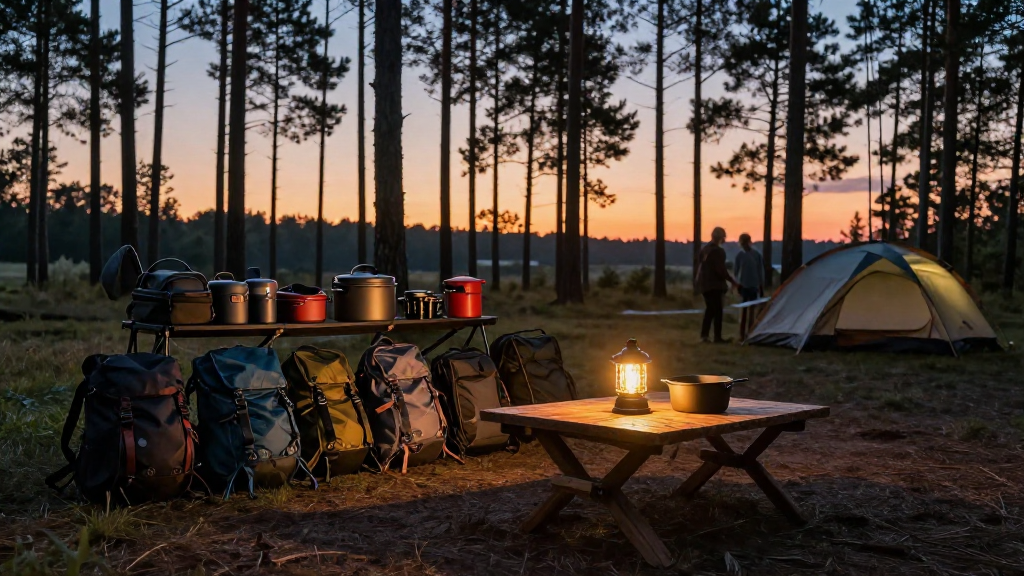
Knowing how to store gear at your campsite is essential for a great outdoor experience. Proper organization not only keeps your equipment safe and dry but also maximizes your enjoyment of nature.
In this guide, we will explore practical tips, techniques, and tools to effectively manage your camping gear, ensuring a hassle-free adventure.
Why is Gear Storage Important?
Storing your gear properly at your campsite serves multiple purposes:
-
Protection from the Elements: Keeping your equipment dry and sheltered prevents damage from rain, wind, and sun.
-
Organization: A well-stored campsite leads to easy access, reducing the time spent searching for essentials.
-
Wildlife Safety: Securely storing food and other smellable items minimizes the risk of attracting unwanted animals.
-
Space Efficiency: Knowing how to store gear at your campsite can free up valuable space, making your camping experience more enjoyable.
What Are the Best Gear Storage Solutions?
When it comes to how to store gear at your campsite, several effective storage solutions can enhance your camping experience:
1. Use a Camping Gear Box
What is a Camping Gear Box?
A camping gear box is a durable container designed to hold various camping items.
- Benefits:
- Keeps items dry
- Provides organization
- Often stackable for easy transport
How to Choose the Right One?
When selecting a gear box, consider the following:
- Size: Ensure it fits all your essential items without being too bulky.
- Material: Look for waterproof and sturdy materials.
- Weight: Lightweight options are easier to handle on the go.
2. Employ a Hanging System
How Can Hanging Gear Help?
Using a hanging system for gear allows you to save space and keep items off the ground.
- Tarps and Ropes:
- Hang a Tarp using ropes to create a makeshift shelter for your gear.
-
Use carabiners to secure cooking utensils or backpacks.
-
S-hooks and Hooks:
- Adjustable hooks can hang chairs, bags, and lanterns.
3. Invest in Dry Bags
What are Dry Bags?
Dry bags are lightweight, waterproof bags that can protect your gear from moisture.
- Why Use Them?
- Great for clothes, electronics, and food.
- Easy to identify and organize.
4. Use Waterproof Storage Bins
Are Waterproof Storage Bins Necessary?
Yes! Waterproof bins can provide an added layer of protection.
- How to Use Them:
- Store food and sensitive items in these bins to prevent water damage.
- Label bins for quick access.
5. Create a Gear Organization System
How Do You Organize Gear Effectively?
A good organization system makes it easier to find items when you need them.
- Category System:
-
Separate items into categories such as cooking, sleeping, and personal items.
-
Grid Layout:
- Use a grid layout in your storage area for easy access.
How Do You Keep Food Safe?
Food safety is crucial when considering how to store gear at your campsite. Improper storage can lead to wildlife encounters that spoil your trip.
1. Bear-Resistant Containers
Why are They Important?
Bear-resistant containers are specifically designed to keep food secure from bears and other wildlife.
- Best Practices:
- Always store in a bear canister if camping in bear country.
- Place containers at least 100 yards away from your sleeping area.
2. The ‘Hang-a-Bag’ Technique
What is the ‘Hang-a-Bag’ Technique?
This technique involves hanging a food bag from a tree branch at least 10 feet off the ground.
- Steps to Hang Your Food Bag:
- Use a sturdy rope and a lightweight bag.
- Look for a solid tree branch away from your campsite.
How Can You Protect Your Gear from Moisture?
Moisture can wreak havoc on camping gear, so knowing how to store gear at your campsite with respect to moisture control is vital.
1. Tarps or Ground Sheets
How Do Tarps Work?
Using tarps or ground sheets under your tent adds an extra layer of waterproofing.
- Benefits:
- Prevents water from pooling underneath.
- Protects your tent from sharp objects.
2. Elevate Your Gear
Why Elevate Gear?
Keep gear off the ground to avoid moisture absorption.
- Methods:
- Utilize picnic tables if available.
- Stack bins on your gear box or other raised surfaces.
How Often Should You Inspect Your Gear?
Regular maintenance is essential to enhance the life of your camping gear.
1. Seasonal Checks
When Should You Inspect?
After each camping season, conduct a thorough check of all your gear.
- Checklist:
- Look for any damage to tents, sleeping bags, or backpacks.
- Ensure all gear is cleaned and dried before storage.
2. Inspect Before Every Trip
Why Is This Important?
Always do a quick inspection before heading out.
- Look for Missing Items:
-
Verify you have all necessary gear, such as cooking supplies and emergency kits.
-
Functional Checks:
- Test flashlights, batteries, and camping stoves.
Final Thoughts
How to store gear at your campsite effectively is a key factor in ensuring a successful and enjoyable camping experience.
Implement the strategies outlined in this article to keep your camping gear safe, organized, and ready for your next adventure.
Don’t forget that well-stored gear not only protects your investments but also enhances your overall camping enjoyment.
Enjoy the great outdoors while knowing your gear is secure!