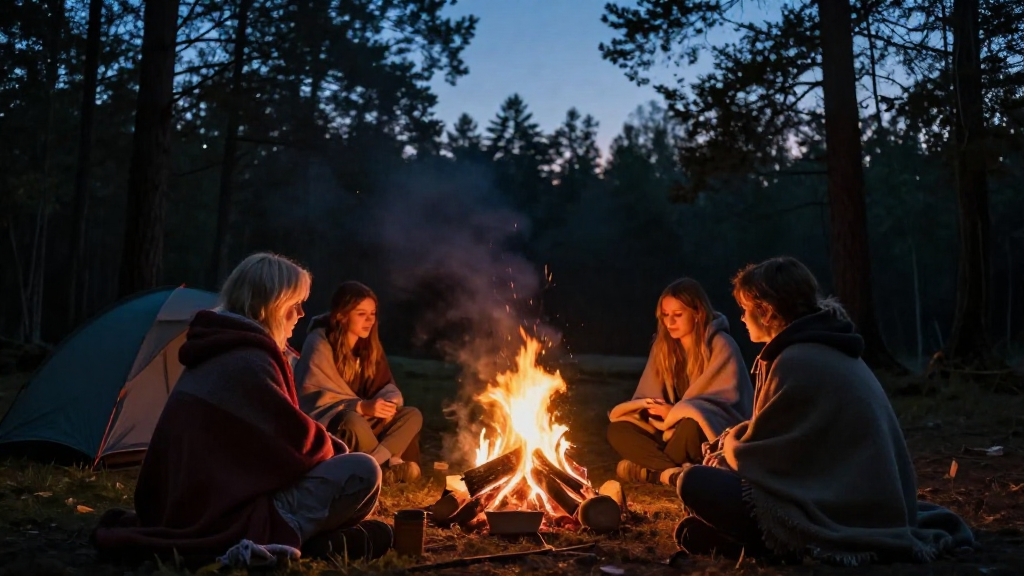
Camping offers a wonderful opportunity to connect with nature and enjoy the great outdoors.
However, knowing how to stay warm camping is essential for a comfortable and enjoyable experience.
In this article, we’ll explore effective strategies, essential gear, and safety tips to keep you warm during your camping adventures.
What are the Best Clothing Options for Staying Warm?
Wearing the right clothing is crucial when learning how to stay warm camping.
Layering your clothing allows for better heat retention and moisture management.
Here’s how to layer effectively:
-
Base Layer:
– Choose moisture-wicking fabrics such as merino wool or synthetic blends.
– This layer should fit snugly against your skin to trap warmth while keeping sweat away. -
Middle Layer:
– Insulating materials like fleece, down, or synthetic puffy jackets are ideal.
– This layer retains heat while still allowing breathability. -
Outer Layer:
– A waterproof and windproof jacket is crucial for protecting against the elements.
– Look for breathable options to avoid overheating.
Additionally, pay attention to your accessories:
– Hats: A good portion of body heat escapes through your head.
– Gloves: Insulated gloves or mittens keep your hands warm.
– Socks: Wool or thermal socks are best for keeping your feet toasty.
How Important is Sleeping Gear for Staying Warm?
When it comes to how to stay warm camping, your sleeping gear plays a vital role.
Investing in quality sleeping equipment can significantly enhance your comfort. Here are important components to consider:
-
Sleeping Bag:
– Choose a sleeping bag rated for colder temperatures than you expect.
– Look for features like a draft collar and hood to retain heat. -
Sleeping Pad:
– An insulated sleeping pad provides an extra layer of warmth between you and the cold ground.
– Make sure it’s inflatable or self-inflating for added comfort. -
Blankets:
– Bring an extra blanket for added warmth, especially one made of wool or fleece.
– An emergency space blanket can also be a lifesaver in extreme conditions.
Can You Use a Tent for Insulation?
Absolutely! A tent can help you stay warmer in a camping environment.
Here’s how you can optimize your tent setup:
-
Choose the Right Tent:
– Use a four-season tent or one designed for colder temperatures.
– Make sure it’s properly staked down to prevent drafts. -
Inner Tenting:
– Using a foot print can help insulate the floor of your tent.
– You can also pitch an inner layer for extra warmth. -
Ground Insulation:
– Add additional insulation by using foam pads, extra blankets, or even leaves and pine needles.
– Avoid sleeping directly on the cold ground.
What Cooking Tools Help Keep You Warm?
When discussing how to stay warm camping, warm meals and hot drinks can be incredibly comforting.
Here are some cooking tools that can help:
-
Portable Stove:
– A camping stove allows you to boil water for hot drinks or prepare warm meals.
– Choose a stove suitable for the conditions you’re camping in (like wind and temperature). -
Insulated Containers:
– Carry insulated thermoses for hot beverages like coffee, tea, or hot chocolate.
– These can provide warmth whenever needed. -
Cookware:
– Lightweight pots and pans can help you prepare hot meals quickly.
– Make sure your cookware distributes heat evenly to cook efficiently.
What Campfire Techniques Can Help You Stay Warm?
Nothing beats the comforting warmth of a campfire while figuring out how to stay warm camping.
Here are some tips for maximizing its heat:
-
Sit Close to the Fire:
– Position your seating close enough to benefit from the heat.
– Be cautious and maintain a safe distance to avoid burns. -
Use Reflective Barriers:
– Set up walls or reflective materials around the fire to direct heat towards your seating area.
– This is particularly effective in windy conditions. -
Firewood Quality:
– Use dry, seasoned wood to create a hot and enduring fire.
– Avoid green or wet wood, as it produces less heat and more smoke.
What Other Strategies Can Help You Stay Warm?
Besides clothing and sleeping gear, consider these additional strategies for learning how to stay warm camping:
-
Stay Hydrated:
– Dehydration can make you feel colder.
– Drink warm fluids, especially hot water or herbal tea. -
Move Around:
– Physical activity generates body heat.
– Engage in light exercises, such as hiking or stretching, to keep warm. -
Avoid Alcohol:
– While a drink might feel warming, alcohol can cause your body temperature to drop.
– Opt for non-alcoholic, warm beverages. -
Use Emergency Gear:
– Carry hand warmers, chemical heat packs, or even emergency space blankets.
– These small items can provide crucial warmth when needed.
When Should You Seek Shelter?
Finally, understanding when to seek shelter is vital when you’re camping in colder conditions.
Keeping an eye on weather conditions can prevent hypothermia.
Recognize the signs that it’s time to retreat to your tent or another shelter:
-
Drop in Temperature:
– Sudden dips in temperature might indicate changing weather.
– Retreat indoors before it gets too cold. -
Wet Conditions:
– If it begins to rain or snow, seek shelter to keep your clothes dry and maintain warmth.
– Wet clothing can quickly lead to hypothermia. -
Signs of Hypothermia:
– Watch out for shivering, confusion, exhaustion, or slurred speech.
– If you or anyone in your group experiences these symptoms, get them warm and dry immediately.
Conclusion
In conclusion, knowing how to stay warm camping is essential for a positive outdoor experience.
By wearing the right clothing, choosing quality sleeping gear, optimizing your tent setup, utilizing cooking tools, and making the most of your campfire, you can effectively stay warm.
Incorporate these strategies into your plans, and your camping trips will become even more enjoyable, no matter the temperature.
Happy camping!