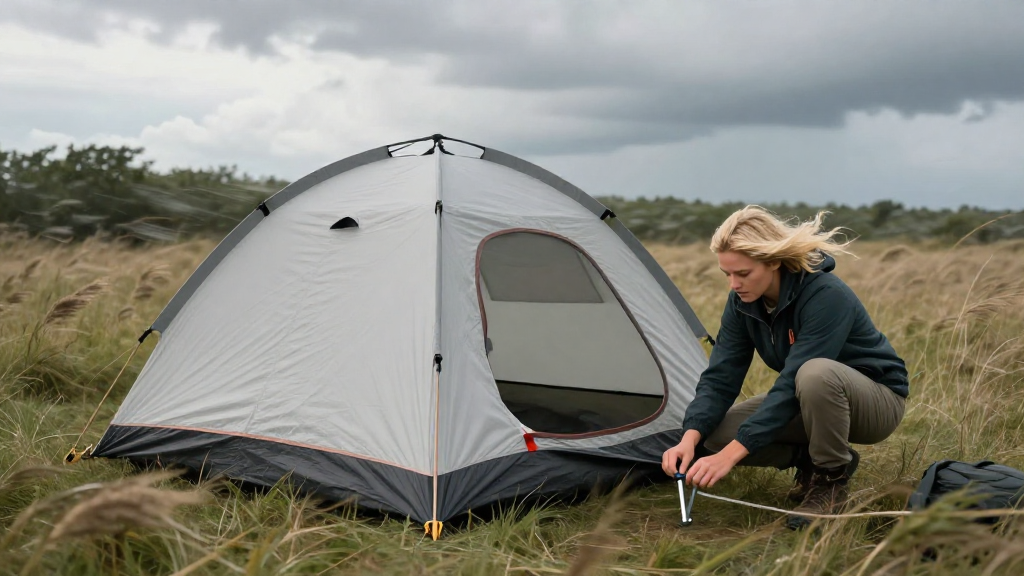
When you’re planning an outdoor adventure, knowing how to secure a tent in the wind is crucial to ensure your comfort and safety. Strong winds can turn a relaxing trip into a disaster if your tent isn’t adequately secured. In this article, we’ll explore effective strategies to keep your tent stable, discuss the importance of choosing the right site, and provide tips for robust tent anchoring.
Why Is It Important to Secure a Tent in Wind?
Understanding how to secure a tent in wind is essential for several reasons:
- Safety First: High winds can potentially damage your tent and put you at risk of injury.
- Comfort: A secure tent provides a more stable environment, allowing for better sleep and relaxation.
- Preserving Gear: Keeping your tent secure helps protect your equipment from wind and rain.
Wind can change direction unexpectedly, and knowing how to secure tent in wind conditions can save your trip.
What Factors Should You Consider When Securing a Tent?
When thinking about how to secure a tent in wind, consider the following factors:
1. Tent Location
- Flat Ground: Choose a flat, level area. Steer clear of low spots that could collect wind and water.
- Wind Direction: Position the tent’s entrance away from the wind whenever possible.
- Natural Barriers: Look for natural windbreaks like trees or large rocks. These can offer additional shelter from gusts.
2. Tent Type
Different tents have different levels of resistance to wind.
– Dome Tents: These are generally good for windy conditions due to their aerodynamic shape.
– Tunnel Tents: They often fare better in winds but must be anchored well to the ground.
3. Season and Weather Predictions
Always check the weather forecast. In stormy conditions, be extra diligent about how to secure tent in wind. High chances of thunderstorms or strong gusts significantly increase the risk of tent failure.
How to Choose and Use Tent Anchors?
Choosing appropriate anchors is essential when learning how to secure tent in wind. Here are effective methods:
1. Tent Stakes
- Materials: Use durable, metal stakes instead of weaker plastic ones.
- Length: Opt for longer stakes (6 to 10 inches), which provide better grip in the ground.
- Angle: Place them at a 45-degree angle to the ground for maximum holding power.
2. Guy Lines
- Tension Adjustment: Attach guy lines to the tent’s fly and stake them into the ground.
- Crossing: If possible, set up guy lines in an “X” pattern for enhanced stability.
- Materials: Use strong, lightweight guy lines made from durable fabric or nylon.
3. Weighted Anchors
If tent stakes and guy lines are not enough, consider adding weights:
– Backpacks or Logs: Place heavy items around the tent base to further secure it in windy conditions.
What Extra Equipment Can Help?
Using additional equipment can enhance how to secure a tent in wind. Here are some useful tools to add to your checklist:
1. Windbreaks
- Use tarps or large sheets of fabric as windbreaks.
- Set them up to block wind from the direction it’s predominantly coming.
2. Tent Footprints
- A footprint provides extra grip and stability under your tent.
- It also protects the tent floor from abrasion while improving overall anchoring.
3. Sand Bags or Rocks
- In open areas, fill bags with sand or grab large rocks to use as weights.
- Place them in strategic positions around the tent for reinforced security.
How to Check Your Tent After Setup?
Checking your tent post-setup is crucial for how to secure a tent in wind effectively. Here’s a quick checklist:
- Inspect Stakes and Lines: Ensure they are tight and secure.
- Test Stability: Gently push or pull on the tent fabric to see if it holds.
- Look for Weak Points: Check seams and flaps for weaknesses that wind might exploit.
What Should You Do During a Windstorm?
If you’re caught in a windstorm, knowing how to secure a tent in wind becomes even more critical. Follow these actions:
- Remain Inside: It’s often safer to stay put rather than exiting the tent unless absolutely necessary.
- Reinforce Tent: Quickly check and reinforce any loose lines or stakes.
- Limit Movement: Avoid unnecessary movement within the tent to maintain stability.
Tips for Long-Term Wind Protection
For avid campers, understanding how to secure tent in wind can make a world of difference during extended trips. Here are some long-term protective measures:
- Use Quality Gear: Invest in high-quality tents specifically designed for wind resistance.
- Test Setup at Home: Before your trip, practice setting up your tent in various configurations to understand its strengths and weaknesses.
- Familiarize Yourself with Weather Patterns: Understanding local weather can prepare you for sudden wind changes.
Conclusion
Knowing how to secure a tent in the wind is an invaluable skill for any outdoor enthusiast. With careful planning and the right techniques, you can enjoy your camping experience without the fear of wind-related mishaps.
From choosing the right tent and location to utilizing effective staking and anchoring methods, these tips can keep you safe and secure. So next time you plan to hit the great outdoors, remember these lessons and make your camping adventures unforgettable!
Happy Camping!
By applying these strategies, you’ll confidently face any wind challenges during your outdoor excursions.