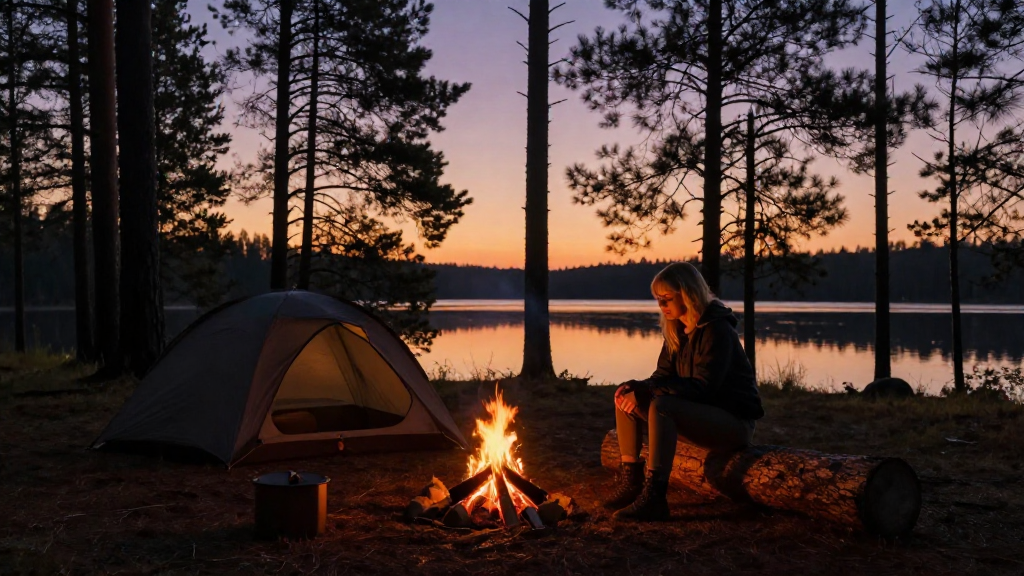
Camping is a fantastic way to disconnect from technology and reconnect with nature. However, one common challenge campers face is the noise around them. If you’re wondering how to reduce noise camping, you’re not alone. In this article, we will explore effective ways to minimize disturbances while enhancing your overall camping experience.
Why Should You Reduce Noise While Camping?
Reducing noise while camping is vital for several reasons:
- Enjoyment of Nature: Outdoor sounds are part of the camping experience. Shielding yourself from disruptive noises allows you to appreciate the natural ambiance.
- Wildlife Interaction: Many animals are sensitive to sound. Keeping noise levels low can enhance your chances of seeing wildlife.
- Restful Sleep: A quiet environment contributes to better sleep, allowing you to recharge for your next day’s adventures.
- Campsite Etiquette: Keeping noise levels down is a way to respect fellow campers and ensures a pleasant environment for everyone.
What Are Effective Ways to Reduce Noise While Camping?
There are many effective strategies to consider when thinking about how to reduce noise while camping:
1. Choose Your Campsite Wisely
The location of your campsite plays a significant role in noise management. Here’s what to look for:
- Natural Barriers: Pick sites surrounded by trees, hills, or water bodies to act as sound barriers.
- Distance from Roads: Avoid campsites close to highways, roads, or developed areas where traffic disturbances can occur.
- Popular vs. Private Sites: Research and choose campsites that are not overcrowded or overly popular. These tend to be louder.
2. Use Noise-Reducing Gear
Investing in specialized equipment can help minimize noise:
- Tent Material: Opt for tents made of thicker materials that muffle sound.
- Ground Pads: Use quality inflatable sleeping pads to absorb sound from the ground.
- Earplugs: A simple yet effective method, earplugs can help block out unwanted sounds.
3. Control Your Own Noise Levels
Being mindful of your own actions can significantly impact the noise around you:
- Soft Spoken Voices: Keep conversation levels down, particularly in late evenings and early mornings.
- Limit Loud Music: If you want to listen to music, use headphones instead of speakers.
- Cooking Quietly: When cooking, use quieter equipment such as lightweight stoves instead of bulky campfires.
4. Time Your Activities Wisely
Your schedule can also contribute to noise control. Here’s what to keep in mind:
- Early Morning Routine: If you wake up early, try to keep movement and noise levels to a minimum while preparing breakfast.
- Nighttime Activities: Shift noisy activities like cooking or playing games to earlier hours when fewer people are likely to be resting.
5. Engage in Quiet Activities
Choosing activities that create less noise can also enhance your camping experience. Consider the following:
- Nature Walks: Explore the surrounding areas with quiet nature walks instead of noisy hikes.
- Stargazing: Enjoy peaceful evenings by stargazing instead of engaging in lively group activities.
- Reading: Bring along a good book or journal to enjoy some quiet time.
6. Set Boundaries with Your Group
If you’re camping with friends or family, set out some guidelines beforehand:
- Discuss Noise Levels: Make sure everyone is on the same page regarding acceptable noise levels, especially after dark.
- Establish Quiet Hours: Designate specific quiet hours for those who want to relax or sleep.
7. Pack Sound Absorbent Materials
Bringing along items that can absorb sound will definitely help:
- Blankets: Use extra blankets for sitting or laying down, which can absorb sound from the ground.
- Portable Dividers: Consider packing portable windbreakers or screens that can also act as sound barriers.
8. Be Respectful of Wildlife
Your noise levels can not only disturb other campers but also affect local wildlife:
- Avoid Disturbing Animals: Loud noises can scare away local animals, impacting your chance for wildlife encounters.
- Leave No Trace: Follow Leave No Trace principles and maintain peace with the environment.
How to Prepare Your Camp for a Quieter Experience?
Preparation is key when considering how to reduce noise camping. Here are steps to follow:
- Research Your Destination: Prior to your trip, understand the characteristics of the campsite you’re considering.
- Pack Wisely: Make sure to include gear that supports a quieter camping experience.
- Follow the Rules: Respect your campsite’s regulations regarding noise levels and group sizes.
- Create a Cozy Atmosphere: Bring along items like lanterns or string lights that can create a cozy vibe without adding to noise levels.
Conclusion: Creating Peace in the Wild
Reducing noise while camping may require some thought and preparation, but the rewards of a quieter environment are immeasurable. By selecting the right campsite, using innovation, being mindful of your actions, and setting the tone with your group, you can foster a serene camping atmosphere.
As you embark on your next camping adventure, keep these tips in mind, and you’ll be well-equipped on how to reduce noise camping. Enjoy the tranquility of nature, engage with wildlife, and create lasting memories in the great outdoors. Safe travels!