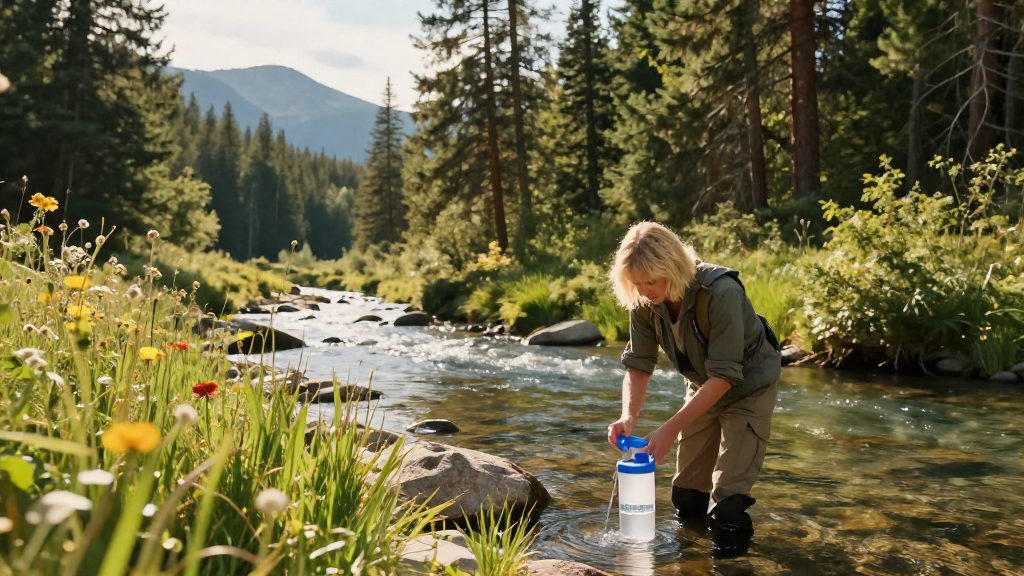
When you’re exploring the great outdoors, knowing how to purify water while camping can be a lifesaver.
Why Is Water Purification Essential While Camping?
When you’re out in nature, access to clean water is crucial for hydration and hygiene. This makes understanding how to purify water camping vital for your health and safety.
-
Contaminants:
Water found in natural sources may contain harmful bacteria, viruses, and parasites. Contaminants like giardia and cryptosporidium can lead to serious illness. -
Environmental Factors:
Weather changes and environmental factors can introduce new contaminants into water sources. Thus, it’s better to be cautious.
What Methods Can You Use to Purify Water While Camping?
There are several effective ways to purify water while camping. These methods range from simple and passive to more complex procedures. Here’s a breakdown of the most common techniques:
1. Boiling: The Most Reliable Method
How to purify water while camping using boiling:
- Step 1: Find a clean pot or container.
- Step 2: Fill the container with water from a natural source.
- Step 3: Bring the water to a rolling boil.
- Step 4: Boil for at least 1 minute (or 3 minutes at elevations above 6,500 feet).
- Step 5: Let it cool before drinking.
Boiling:
This method is highly effective at killing pathogens. Just ensure that you have a reliable heat source such as a camp stove or fire.
2. Filtration: Quick and Efficient
How do you purify water camping through filtration?
- Utilize a portable water filter or purifier.
- Choose one that removes bacteria and protozoa. Some filters even remove viruses.
Portable filters come in many forms:
- Pump filters: Manually pump water through a filter.
- Gravity filters: Use gravity to pull water through filtration media.
- Straw filters: Offer direct drinking options from the source.
Filtration:
This method is quick and doesn’t require boiling, making it convenient for immediate hydration.
3. Chemical Purification: Simple but Effective
Wondering how to purify water while camping using chemicals?
- Chlorine Dioxide Tablets: Follow the instructions on the package to dissolve a tablet in water.
- Iodine Tablets: Another option but may not be suitable for pregnant women or individuals with thyroid issues.
Chemical purification:
This method is lightweight and perfect for backpacking trips where weight is a concern. However, it may alter the taste of the water, so consider carrying a flavoring agent.
What Are the Benefits of Water Purification Methods?
Purifying water enhances your camping experience in several ways. Here are the key benefits:
-
Illness Prevention:
Protect yourself against waterborne illnesses by ensuring water is free from harmful pathogens. -
Taste Improvement:
Clean, fresh water improves the taste of food and beverages. -
Confidence:
Having knowledge of how to purify water camping gives you peace of mind when relying on natural water sources.
Are There Tools to Make Water Purification Easier?
When venturing into the wilderness, specific tools can enhance your water purification efforts. Here are some must-have items:
-
Water Filters: Portable and lightweight filters to remove contaminants.
-
Purification Tablets: Simple to pack and use.
-
Portable Boiling Equipment: Compact stoves designed for outdoor cooking.
-
Hydration Bladders and Bottles: Convenient for both carrying and drinking. Some come with built-in filters.
How Can You Find Safe Water Sources?
Knowing how to purify water camping is important, but where you source your water is just as critical.
-
Look for Clear Water:
Clarity often indicates cleanliness. Avoid murky water. -
Avoid Water Near Settlements:
Water close to roads, campsites, or livestock usually contains higher levels of contaminants. -
Check for Movement:
Running water is generally safer than standing water, as it is less likely to hold harmful organisms.
How to Store Purified Water Properly?
Storing your purified water correctly is essential for maintaining its cleanliness:
-
Use Clean Containers:
Ensure bottles or bladders are sanitized before storing purified water. -
Seal Tightly:
Always secure caps to prevent contamination. -
Cool, Dark Places:
Store water in a cool, dark area away from direct sunlight and high temperatures to prevent bacterial regrowth.
Conclusion: Embrace the Outdoors with Confidence
Learning how to purify water while camping is a critical skill for any outdoor enthusiast.
Whether you choose to boil, filter, or use chemicals, being prepared ensures that your adventures remain enjoyable and safe.
With the knowledge and tools at your disposal, you can confidently explore nature, knowing you have a clean water supply to keep you hydrated and healthy.
So pack your gear, plan your trip, and discover all that the great outdoors has to offer!