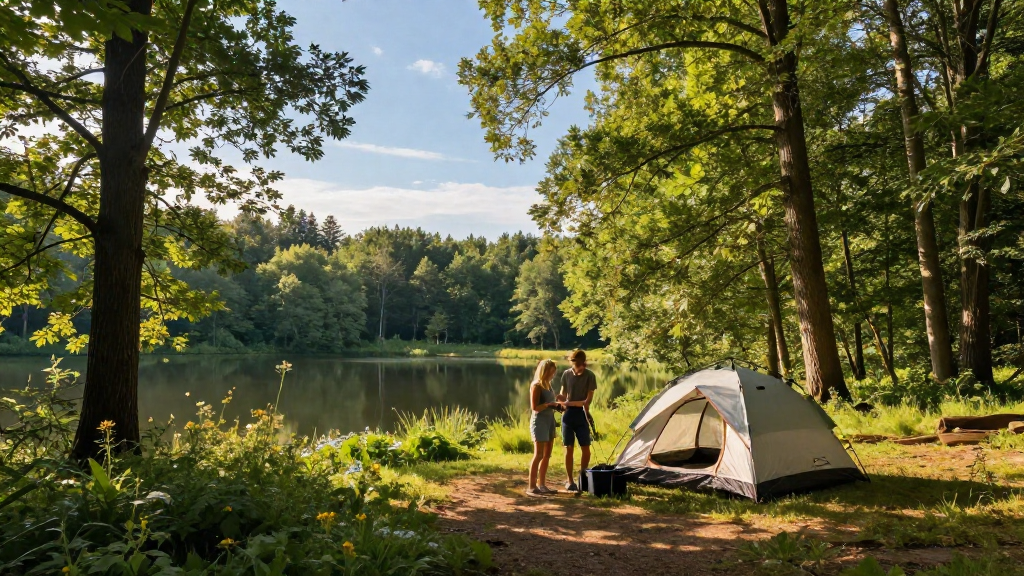
When planning a camping trip, knowing how to pick a safe campsite can be the difference between an enjoyable experience and a potentially dangerous one. In this article, we will explore various factors to consider when selecting the perfect location, ensuring you can relax and enjoy your time in nature without unwelcome surprises.
What Makes a Campsite Safe?
When thinking about how to pick a safe campsite, it is essential to evaluate several key aspects. These factors can greatly influence your safety and comfort while camping not just for yourself, but for everyone in your party. Here are critical elements to consider:
-
Terrain and Ground Stability
– Uneven or unstable ground can lead to accidents.
– Choose a flat area to set up your tent, reducing the risk of trips and falls. -
Proximity to Water
– While camping near a water source is appealing, you should be cautious.
– Avoid camping within 200 feet of lakes and rivers to reduce the risk of flooding and insect infestations. -
Wind and Weather Conditions
– Always check weather forecasts before heading out.
– Setting up in a sheltered area can protect against strong winds and heavy rain. -
Natural Hazards: Trees and Rocks
– Look out for dead trees or branches, often called “widowmakers,” that can fall unexpectedly.
– Avoid camping near rocky outcrops that may be prone to landslides or falling rocks. -
Wildlife Considerations
– Know local wildlife risks and how to store food safely.
– Keep in mind the recommendations regarding prevention of bear encounters or attracting other wildlife.
How Can I Avoid Natural Hazards?
Now that you understand what makes a campsite safe, let’s delve deeper into avoiding natural hazards when considering how to pick a safe campsite.
Assess the Ground Type
- Hard Ground: Ideal for tent stakes and reduces wear on your equipment.
- Soft Ground: Can lead to discomfort and may not hold tent poles securely.
Inspect Surrounding Flora
- Tree Canopy: Look for a clear zone without overhanging branches.
- Ground Cover: Dense undergrowth can hide potential trip hazards.
Positioning for Weather
- Avoid Low Lying Areas: Water deposits in these spaces during storms.
- Choose Elevated Spots: Higher ground improves airflow and reduces humidity.
Which Amenities Should Be Nearby?
When learning how to pick a safe campsite, consider the amenities nearby. While it’s essential to prioritize safety, amenities can enhance your camping experience. Here are some convenient facilities to look for:
-
Restrooms
– Having access to clean restrooms can make your trip more comfortable. -
Fire Pits
– Designated areas for campfires minimize fire hazards and keep your campsite organized. -
Trash Facilities
– Proper waste disposal helps maintain cleanliness and deters wildlife. -
Water Access Points
– Look for safely managed water sources for drinking and cooking, avoiding stagnant water.
What Tools Can Help in Choosing a Campsite?
Utilizing technology and resources can streamline the process of learning how to pick a safe campsite. Here are several tools and methods to assist your campsite selection:
- Mobile Apps
-
Explore camping apps like AllTrails and Campsite Finder that provide information on campsites and reviews from fellow campers.
-
Local Ranger Stations
-
Engage with park rangers for recommendations and insights about recent conditions and hazards.
-
Topographic Maps
- Analyze maps to understand terrain features and identify elevated areas or potential dangers.
Why Is It Important to Check Local Regulations?
Checking local camping regulations is a vital element of how to pick a safe campsite. Compliance with rules ensures that your camping experience remains enjoyable and hazard-free. Some regulations may include:
-
Campfire Rules: Know if campfires are permitted and the guidelines for safe fire usage.
-
Wildlife Interactions: Understand how to behave around local wildlife, ensuring your food does not attract unwanted visitors.
-
Permit Requirements: Be aware of whether you need a permit for camping in specific areas.
How Essential Is It to Review Weather Conditions?
Before heading out, assessing weather conditions is crucial to how to pick a safe campsite. Weather can shift quickly in nature, impacting your safety and comfort. Here’s how to prepare:
-
Check for Storm Warnings
– Monitor forecasts for rain, wind, or potential storms during your camping period. -
Consider Wind Direction
– If you anticipate strong winds, position your tent accordingly to protect it from gusts. -
Adapt Gear Accordingly
– Be prepared for varying temperatures by packing appropriate gear for warmth or chilly nights.
What Precautions Should I Take When Camping?
Safety comes first. Once you’ve identified your campsite, consider these precautions to elevate your safety while camping:
-
Food Storage: Use bear-proof containers or hang food at least ten feet off the ground to deter wildlife.
-
Fire Safety: Always keep a bucket of water or sand nearby when having a fire.
-
Emergency Kit: Prepare a first-aid kit stocked with essential supplies for minor injuries.
-
Mapping Out Your Surroundings: Familiarize yourself with the area by noting landmarks, paths, and exit routes in case of emergency.
Conclusion: How to Pick a Safe Campsite
In summary, knowing how to pick a safe campsite involves thorough planning and consideration of multiple factors, from evaluating the terrain to understanding local regulations.
-
Always prioritize safety and comfort by choosing a site that minimizes risks, is near essential amenities, and suits the needs of your group.
-
Preparing adequately can lead to a more fulfilling camping experience, allowing you to connect with nature and enjoy moments of relaxation in the wilderness.
By following the guidelines outlined in this article, you’ll be well-equipped to select a campsite that is secure, comfortable, and enjoyable. Happy camping!