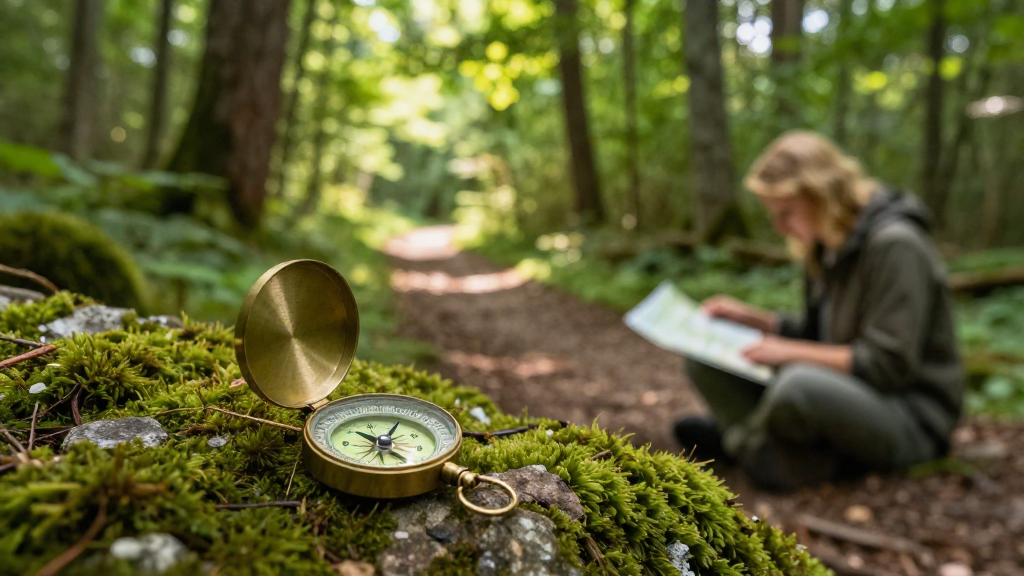
When venturing into the great outdoors, knowing how to navigate with a compass is an essential skill for any outdoor enthusiast. Camping trails can be exciting, yet they also come with challenges, especially when it comes to finding your way. This guide will provide you with the necessary knowledge to successfully navigate your adventure using a compass.
What Do You Need to Know About a Compass?
Before we dive into the practical aspects of navigation, it’s important to understand what a compass is and how it functions.
A compass is:
- A tool for determining direction relative to the Earth’s magnetic poles.
- Comprised of a magnetic needle that aligns itself with the Earth’s magnetic field.
- Used alongside maps to help pinpoint your location and plan your route.
What Are the Main Components of a Compass?
Understanding the components of a compass will enhance your ability to use it effectively. Here are the main parts:
- Baseplate: A transparent platform that provides a grip and allows for map reading.
- Rotating Bezel: The circular dial that you rotate to adjust your bearing.
- Magnetic Needle: The needle that points to magnetic north.
- Direction of Travel Arrow: An arrow on the baseplate that indicates where you should go.
How to Use a Compass Effectively?
Now that you have a basic understanding of the compass, let’s discuss how to navigate with a compass effectively on your camping trails.
What Is the First Step?
1. Find North
The first thing you need to do is find magnetic north. Here’s how:
-
Hold your compass flat in your hand to allow the magnetic needle to move freely.
-
Wait for the needle to settle. The end that points toward the magnetic north is usually marked in red or has a different color.
How Do You Set Your Bearing?
2. Setting a Bearing
To navigate towards a certain destination or camping trail, you need to set your bearing. Here’s how you can do it:
-
Identify Your Destination: Use a map to pinpoint where you want to go.
-
Align the Compass: Lay the compass on the map with the direction of travel arrow pointing toward your destination.
-
Rotate the Bezel: Turn the bezel until the north lines on the compass align with the map’s magnetic declination (if applicable).
-
Read the Bearing: The number that aligns with the direction of travel arrow is your bearing.
How Do You Follow Your Bearing?
3. Following Your Bearing
Once you’ve set your bearing, it’s time to follow it.
-
Hold the Compass Flat: Keep your compass at waist level, flat and horizontal, ensuring the needle can spin freely.
-
Turn Your Body: Rotate your body until the magnetic needle aligns with the direction of travel arrow.
-
Move Forward: Walk in the direction the arrow is pointing. Keeping your compass at waist level ensures accuracy.
What If You Get Lost?
4. Handling Uncertainties
If you find yourself lost or confused on the trail, remember the following steps:
-
Stop and Stay Calm: Panicking won’t help. Take a deep breath and assess your situation.
-
Retrace Your Steps: Go back to the last known point of recognition if you think you’ve deviated.
-
Use Landmarks: Look for familiar landmarks that you may have previously seen on your route.
-
Re-check Your Compass: Make sure your compass is functioning properly, and confirm your bearing again if necessary.
Why Should You Combine a Compass With a Map?
5. The Importance of Using a Map
While a compass is a powerful tool, combining it with a map enhances your navigation skills significantly.
-
Contextual Understanding: A map provides greater context about the terrain, including elevation changes and landmarks.
-
Planning Routes: You can plan more efficient routes using map features such as rivers, roads, and paths.
-
Safety Considerations: Knowing the surrounding area can assist you in avoiding dangerous locations or identifying safe zones.
What Are Some Common Mistakes to Avoid?
6. Avoiding Common Mistakes
When learning how to navigate with a compass, there are pitfalls to be aware of. Here are some common mistakes to avoid:
-
Ignoring Magnetic Declination: Ensure you are accounting for magnetic declination in your area to avoid inaccuracies.
-
Not Practicing: Familiarize yourself with your compass before heading out. Practice in a safe location to build your confidence.
-
Relying Solely on the Compass: Always have a good map and know how to use it. Relying on the compass alone can be risky.
When Is It Best to Use a Compass?
7. Ideal Conditions for Compass Navigation
Compass navigation is most effective in certain environments:
-
Dense Forests: When trails are not marked, a compass can guide you through thick vegetation.
-
Open Terrain: In flat areas with few landmarks, a compass helps maintain direction.
-
Mountainous Regions: When trails become unclear, especially with elevation changes, a compass aids in keeping your path straight.
How Can Technology Support Compass Navigation?
8. Leveraging Technology
While knowing how to navigate with a compass is vital, modern technology can complement traditional tools. Here’s how:
-
GPS Devices: These can give you precise coordinates and can function even in dense forests or areas lacking clear paths.
-
Mapping Apps: Many apps provide offline maps along with GPS functionality, aiding in route-finding.
-
Smartphone Compasses: Most smartphones come with a built-in compass or navigation app; however, ensure the device is calibrated correctly.
Conclusion: Mastering Navigation with a Compass
Navigating camping trails with a compass is a valuable skill.
The ability to determine direction using a compass enriches your outdoor experience, ensuring safety and confidence in your journey.
By knowing how to navigate with a compass, understanding its components, setting bearings, and following them effectively, you equip yourself for a variety of outdoor adventures.
The wilderness is vast and challenging, but with the right tools and skills, you can explore it wisely and safely. Whether you’re a seasoned camper or new to the trails, mastering compass navigation can enhance your appreciation for the natural world. Now, get out there, practice, and make unforgettable memories in the great outdoors!