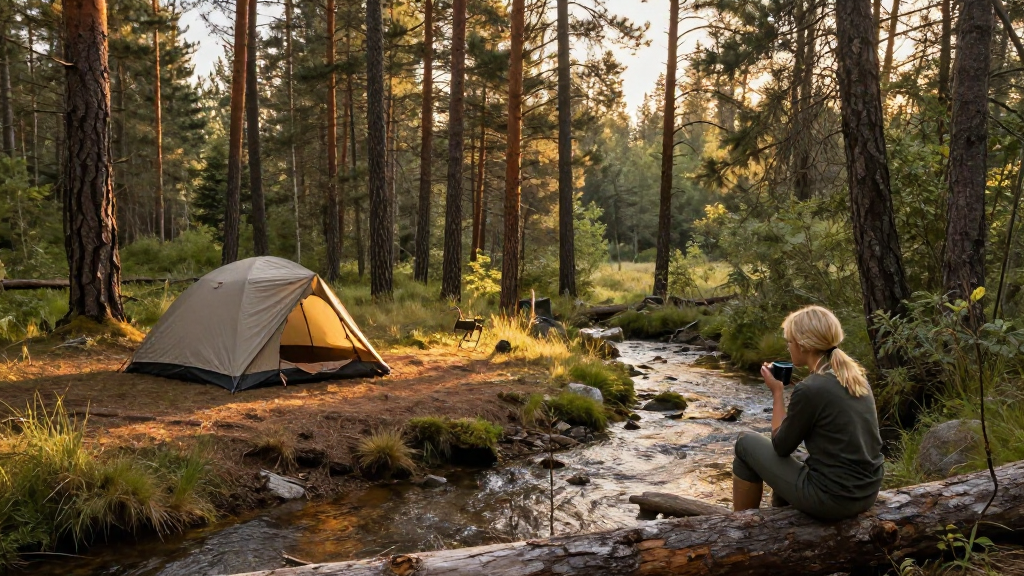
If you’re looking for a true escape into nature, this dispersed camping guide will help you navigate the ins and outs of this unique camping experience.
What is Dispersed Camping?
Dispersed camping is a form of camping that occurs outside of designated campgrounds.
It allows individuals to set up tents or park their RVs in natural areas
often on public lands managed by agencies such as the U.S. Forest Service or Bureau of Land Management.
Dispersed camping offers a solitary experience that can deepen your connection to nature.
Unlike established campgrounds, dispersed areas generally have no facilities like restrooms or picnic tables.
So, if you’re ready for an adventure, use this dispersed camping guide to plan your next trip!
Why Should You Try Dispersed Camping?
Dispersed camping provides several unique benefits:
-
Isolation: Experience the tranquility of nature without the distractions of crowds.
-
Freedom: Choose your own campsite and enjoy the uninterrupted beauty of the wilderness.
-
Cost-Effective: Since dispersed camping is typically free, it’s a great way to save money.
-
Adventure: Encounter less-traveled areas where you can explore trails, lakes, and vistas.
-
Wildlife Experience: Get closer to wildlife that you may not see in more populated campgrounds.
In this section of the dispersed camping guide, it’s crucial to consider the motivations behind your decision to camp away from designated areas.
Where Can You Go Dispersed Camping?
Knowing where to camp is essential to the success of your trip.
Many public lands allow dispersed camping, but always check for specific regulations.
Here are some common types of places where you can find dispersed camping opportunities:
-
National Forests: Most national forests have areas open for dispersed camping.
-
Bureau of Land Management Lands: Often provide vast, open spaces suitable for camping.
-
Wilderness Areas: Offer stunning landscapes, though they might have more restrictions.
-
State Parks: While most charge a fee, some areas have dispersed campsites.
Make sure to use resources like websites or apps like Campendium and Freecampsites.net to locate:
-
Campsite availability
-
User reviews
-
Maps and GPS coordinates
This comprehensive dispersed camping guide will help you identify the best spots.
What Equipment Do You Need for Dispersed Camping?
Being well-prepared is crucial for a seamless experience. Here’s a list of essential gear you’ll need:
-
Shelter
– Tent or hammock
– Ground tarp -
Sleeping Gear
– Sleeping bag rated for the season
– Sleeping pad or inflatable mattress -
Cooking Supplies
– Portable stove or campfire cooking tools
– Cookware and utensils -
Water Filtration System
– Water bottles or hydration packs
– Water filter or purification tablets -
Safety Gear
– First aid kit
– Map and compass or GPS device -
Clothing and Footwear
– Weather-appropriate clothing
– Sturdy hiking boots -
Food Supplies
– Non-perishable foods
– Snacks and energy bars -
Waste Disposal
– Trash bags
– Trowel for digging a cat hole
Understanding your equipment needs is fundamental in this dispersed camping guide.
Being prepared ensures your comfort and safety.
What Are the Important Rules for Dispersed Camping?
To preserve nature and maintain the beauty of these areas, it’s vital to follow certain rules:
Leave No Trace Principles
-
Plan Ahead: Research the area and prepare adequately.
-
Travel and Camp on Durable Surfaces: Stick to established trails to minimize environmental damage.
-
Dispose of Waste Properly: Pack out everything you bring in, and use a trowel for human waste.
-
Leave What You Find: Don’t disturb natural features or wildlife.
-
Minimize Campfire Impact: Use a stove for cooking; if having a fire, use established fire rings.
-
Respect Wildlife: Observe animals from a distance and avoid feeding them.
-
Be Considerate of Other Visitors: Keep noise levels down and maintain a respectful distance.
These principles are crucial to ensure a positive and sustainable experience while adhering to the essence of this dispersed camping guide.
How Can You Stay Safe While Dispersed Camping?
Safety should always be a priority when camping, especially in remote locations. Here are some important tips:
-
Inform Someone: Always let a friend or family member know your plans, including where you are heading and how long you will be gone.
-
Check Weather Forecasts: Be aware of potential storms, extreme temperatures, or wildlife issues.
-
Know Your Surroundings: Familiarize yourself with the terrain and local wildlife.
-
Have Emergency Contact Information: Ensure you have access to emergency numbers or a map of ranger stations.
-
Equip Yourself with a First Aid Kit: Being prepared for minor injuries can save you from bigger headaches later.
These safety tips are an essential component of this well-rounded dispersed camping guide.
What Are Some Fun Activities You Can Do While Dispersed Camping?
Once you’ve settled into your campsite, there are plenty of activities to enjoy:
-
Hiking: Discover nearby trails and enjoy stunning views.
-
Fishing: If you’re near water bodies, bring fishing gear and relax by the shore.
-
Bird Watching: Take time to observe and identify different bird species.
-
Photography: Capture the essence of nature through your lens.
-
Star Gazing: Enjoy the breathtaking views of the night sky when you’re far from city lights.
Incorporating fun activities into your trip can enhance your experience, making this dispersed camping guide a valuable tool.
Conclusion: Are You Ready for Your Next Dispersed Camping Adventure?
Dispersed camping offers a chance to reconnect with nature and escape the hustle and bustle of daily life.
By following this dispersed camping guide, you can ensure a safe, fun, and fulfilling camping experience.
Embrace freedom, solitude, and the beauty of the wilderness.
Now that you’re equipped with the knowledge, it’s time to plan your next adventure into the great outdoors. Happy camping!