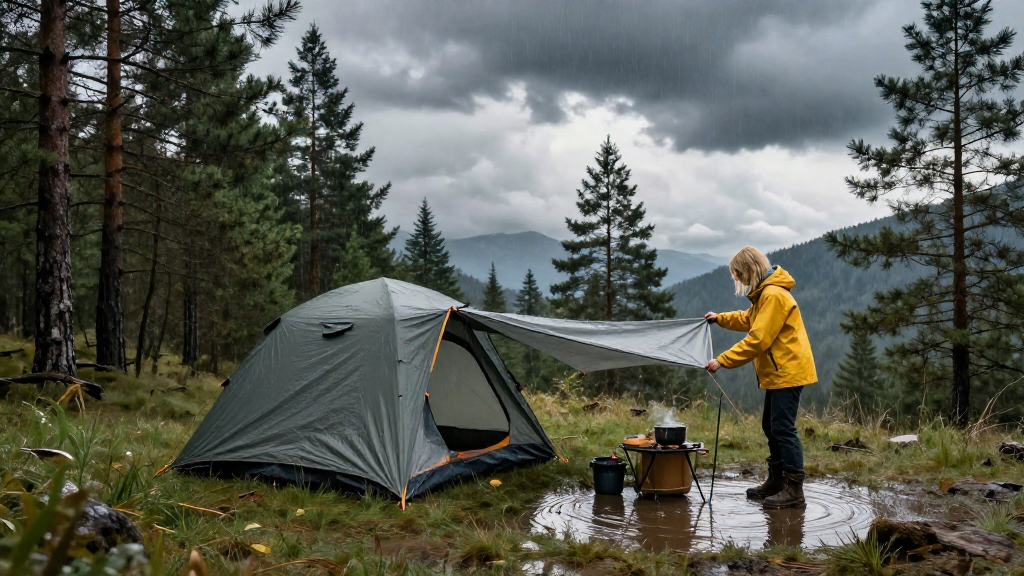
Camping with bad weather can turn a much-anticipated trip into a challenging experience.
However, with the right tips and precautions, you can still enjoy your adventure, even when Mother Nature isn’t cooperating.
What Should You Do Before Camping in Bad Weather?
Preparation is key when you know you’ll be camping with bad weather.
Here are important steps to take before your trip:
-
Check the Weather Forecast:
– Always stay updated with more than one source.
– Use apps like Weather Underground or AccuWeather for detailed forecasts. -
Choose the Right Campsite:
– Avoid low-lying areas that might flood.
– Look for natural windbreaks such as trees or hills. -
Pack Appropriate Gear:
– Invest in waterproof tents and tarps.
– Bring extra gear like rain jackets, moisture-wicking clothing, and dry bags. -
Know the Emergency Protocols:
– Familiarize yourself with local emergency services and how to reach them.
– Have a first-aid kit and know how to use it. -
Secure Your Tent Properly:
– Use stakes and guylines to enhance tent stability.
– Consider adding extra weight to the tent edges using rocks or logs.
How Can You Prepare Your Camp Setup for Bad Weather?
When camping with bad weather, your setup can make a significant difference.
Here’s what you can do:
- Create a Drainage System:
- Dig trenches around your tent to divert water away.
-
Use rocks or logs to guide water flow away from your sleeping area.
-
Set Up a Rainfly:
- Make sure your tent’s rainfly is properly secured.
-
Check for any holes or damaged areas and patch them before setting up.
-
Choose the Right Shelter:
- If possible, set up a tarp or an additional shelter.
-
This will keep your cooking area and your clothes dry.
-
Elevate Equipment:
- Keep your gear off the ground to prevent water damage.
- Use picnic tables or logs as makeshift shelves for cooking utensils and food.
What Should You Pack to Handle Bad Weather While Camping?
Packing smartly is crucial when you go camping with bad weather.
Include the following essentials:
- Waterproof Clothing:
- Wear a breathable waterproof jacket and pants.
-
Don’t forget waterproof gloves and footwear!
-
Quality Sleeping Gear:
- Use a sleeping bag rated for colder temperatures.
-
Bring sleeping pads that offer insulation and comfort.
-
Cooking Supplies:
- Bring single-palette stoves as they perform well even when conditions are harsh.
-
Pack meals that require less preparation, such as freeze-dried food.
-
Entertainment Options:
- Bring books, cards, or board games in case of extended downtime.
- Remember to pack portable chargers for any electronics.
How Do You Stay Safe When Camping in Bad Weather?
Safety is paramount when camping with bad weather.
Here are strategies to ensure a secure camping experience:
-
Stay Informed:
– Regularly check weather updates using a reliable weather app.
– Have a weather radio or download offline maps on your mobile device. -
Know the Signs of Severe Weather:
– Be alert for signs of thunderstorms, such as dark clouds and strong winds.
– Seek shelter inside your tent or a nearby structure if conditions worsen. -
Avoid Risky Activities:
– Don’t venture too far from your campsite when bad weather approaches.
– Resist the temptation to swim or engage in water sports during rain. -
Stay Away from High-Risk Areas:
– Avoid camping near rivers or streams that could swell.
– Don’t camp under trees with loose branches or dead limbs.
What Activities Can You Enjoy While Camping in Bad Weather?
Just because the weather is less than ideal doesn’t mean you’re stuck in your tent.
Consider these activities while camping with bad weather:
- Cooking Over a Campfire:
- Whip up warm meals that can boost morale.
-
Cooking can also serve as a bonding activity with your camping companions.
-
Indoor Games and Puzzles:
- Pack a selection of board games or card games.
-
These can be great for keeping spirits high during a storm.
-
Nature Exploration:
- If it’s just light rain, consider taking a short walk with waterproof gear.
-
Look for unique geological formations or plants thriving in the rain.
-
Photography:
- Capture the unique beauty of nature in a different light.
- The colors come alive during and after rains, offering amazing photo opportunities.
When Should You Call it Quits?
Sometimes the weather can be too extreme.
Here’s when to consider packing up and leaving:
-
Severe Thunderstorms and High Winds:
– If forecasts predict extremely high winds, it may be best to evacuate.
– Lightning is dangerous; choose safety by leaving vulnerable areas. -
Flash Flood Warnings:
– If there are warnings of flash floods, don’t risk staying.
– Be aware of rising water levels and pack your gear promptly. -
Hypothermia Risk:
– If temperatures drop significantly and you can’t stay warm, opt for safety.
– Wet clothes can lead to rapid heat loss; prioritize warmth.
In conclusion, camping with bad weather can be a daunting experience but it doesn’t have to ruin your trip.
With the right preparation, gear, and mindset, you can adapt and still enjoy the beauty of nature, regardless of the weather conditions.
Remember, adventuring through adverse weather is all part of the experience, so embrace the challenge, and make unforgettable memories!