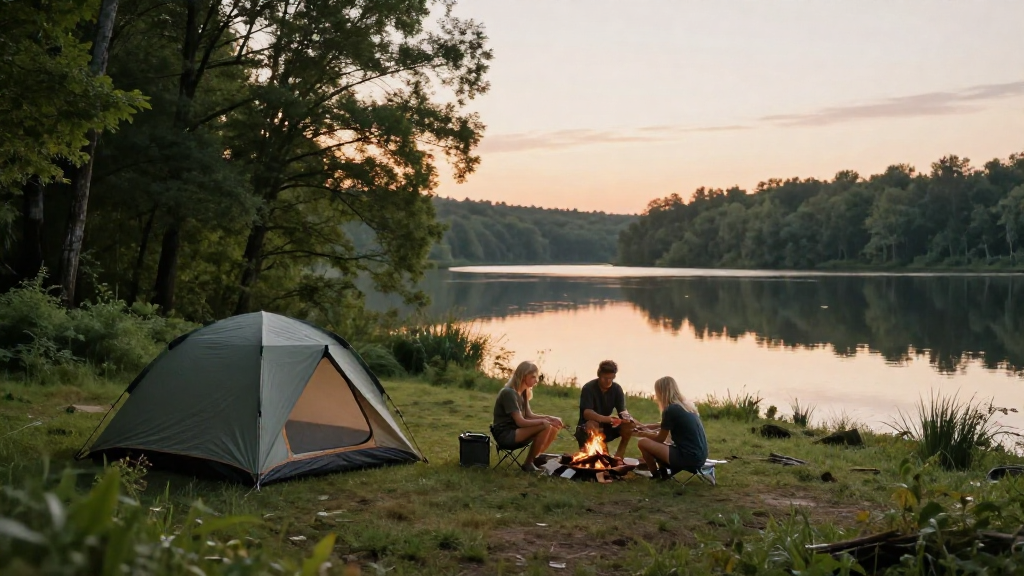
Camping near water sources can enhance your outdoor experience in many ways. It offers not just beautiful scenery but also opportunities for fishing, swimming, and other water activities. However, camping close to water comes with its own set of challenges and considerations. In this guide, we’ll explore key aspects you should know before setting up camp by the water.
Why Choose Camping Near Water Sources?
1. Beautiful Scenery:
Camping near water sources provides stunning views and a peaceful atmosphere. Whether it’s a lake, river, or ocean, the natural beauty enhances your overall experience.
2. Recreational Opportunities:
Being close to water facilitates various activities such as kayaking, fishing, swimming, and even wildlife watching. These recreational activities enrich your camping trip.
3. Cooling Effect:
Body of water can help moderate temperatures, especially in hot weather, providing a natural cooling effect during your stay.
However, despite these benefits, camping near water sources can come with risks and considerations.
What Are the Risks of Camping Close to Water?
While camping near water sources can be enjoyable, it’s essential to be aware of the risks involved:
1. Flooding:
Weather conditions can change rapidly, causing the water levels to rise.
2. Mosquitoes and Other Insects:
Standing water is a breeding ground for mosquitoes, which can become bothersome during your trip.
3. Wildlife Hazards:
Animals such as bears, raccoons, and other wildlife are often drawn to water sources, which can lead to encounters. Always follow proper food storage guidelines to minimize risks.
4. Safety Concerns:
Water can pose various safety threats, from strong currents in rivers to unpredictable waves in recent weather at the ocean. Always assess the water conditions before engaging in activities.
How to Stay Safe While Camping Near Water Sources?
1. Choose a Safe Location:
When selecting your campground, consider not only the view but also the safety of the water source. Ensure it’s not prone to flooding or strong currents.
2. Prepare for Weather Changes:
Stay updated on the weather forecast and prepare your campsite accordingly. Bringing waterproof gear is always a good idea.
3. Set Up Camp Wisely:
Place your tent at least 200 feet away from the water’s edge.
This distance reduces your risk of flooding and offers a buffer against wildlife.
4. Have Kids Supervised:
Ensure children are supervised, particularly near water. Make it a point to review water safety rules with them before engaging in activities such as swimming or fishing.
5. Pack Safety Gear:
Carry safety gear, including life jackets for water activities, a first-aid kit, a whistle, and a flashlight.
What Gear Do You Need for Camping Near Water Sources?
When preparing for camping near water sources, it’s crucial to have the right gear for both your comfort and safety:
1. Essential Camping Gear:
– Tent: Waterproof and durable is the key.
– Sleeping Gear: A good sleeping bag and pad for comfort.
– Cookware: Options that are easy to clean after cooking nearby.
2. Water Activities Equipment:
– Kayak/Canoe: If you’re into paddling, bring your kayak or canoe.
– Fishing Gear: Rods, bait, and nets for fishing enthusiasts.
3. Safety Equipment:
– First-Aid Kit: Always have one on hand.
– Life Jackets: Essential for any water activities.
– Insect Repellent: To protect yourself from annoying pests.
How to Respect the Environment While Camping Near Water Sources?
Respecting nature is crucial, especially when camping near water sources. Here are some tips to follow:
1. Follow Leave No Trace Principles:
Always clean up after yourself. This includes properly disposing of wastewater and trash.
2. Avoid Polluting Water Sources:
When washing dishes or bathing, use biodegradable soap and do this away from the water source. Toss food scraps into designated areas away from water.
3. Maintain Wildlife:
Observe wildlife from a distance. Never feed wild animals, as it encourages them to become dependent on human food.
What are Some Popular Locations for Camping Near Water Sources?
Several stunning camping sites near water sources offer an unforgettable experience. Here are some popular locations:
1. Yosemite National Park, California:
With rivers and waterfalls, it is a hub for water-related activities.
2. Glacier National Park, Montana:
Known for its pristine lakes and stunning vistas, this park is perfect for camping near water.
3. Cascade Lakes, Oregon:
A picturesque location with clear lakes that are ideal for fishing and kayaking.
4. Acadia National Park, Maine:
Combining ocean and forest, it offers diverse activities.
What Are Some Camping Activities Around Water Sources?
When camping near water, numerous activities can enhance your outdoor adventure:
1. Fishing and Swimming:
Engage in fishing at your campsite. Swimming can be refreshing on a hot day; just ensure it’s safe to do so.
2. Kayaking or Canoeing:
Explore the waterways for a unique perspective on the surrounding landscapes.
3. Hiking:
Many campsites near water are located near hiking trails that lead to scenic views.
4. Bonfires and Stargazing:
Enjoy evenings by a campfire, and don’t forget to gaze at the stars. The portable fire pit can provide warmth and enhance the ambiance of your campsite.
Conclusion: Is Camping Near Water Sources Right for You?
Camping near water sources offers exciting opportunities and rich experiences for outdoor enthusiasts. However, it also necessitates responsible planning and preparation. Understanding the benefits and risks ensures a safe and enjoyable camping trip. The right gear, a respectful attitude towards nature, and the appropriate knowledge can turn your camping near water sources into a memorable adventure. So, pack your bags, prepare adequately, and make the most of the stunning environments awaiting you by the water!