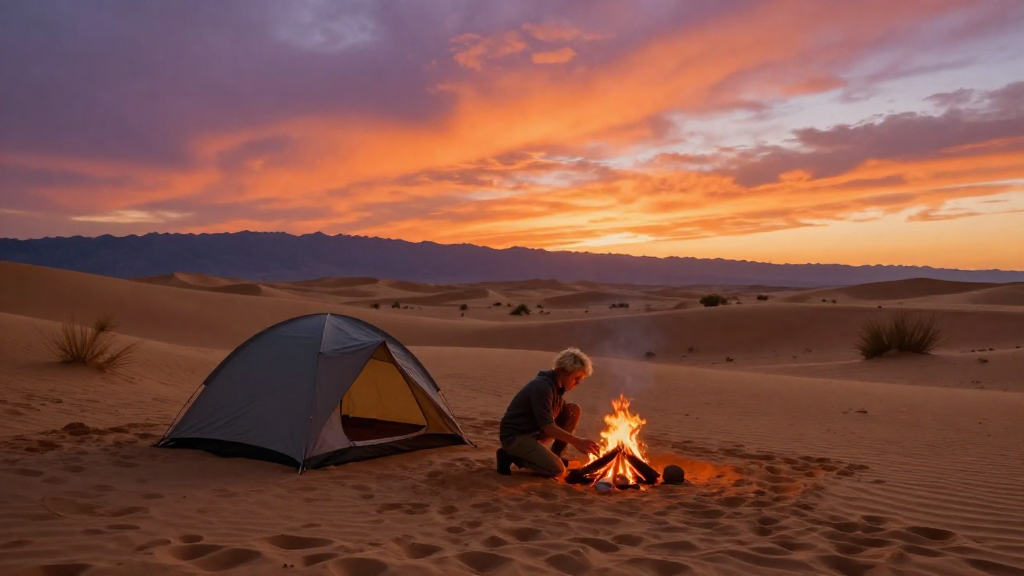
Camping in the desert offers a unique adventure filled with beautiful landscapes, stunning sunrises, and starry nights.
However, the challenges associated with camping in the desert can be daunting if you’re not prepared.
In this guide, we’ll explore essential tips and safety measures to ensure you have a memorable and safe experience while camping in this harsh yet beautiful environment.
What Should You Know Before Camping in the Desert?
Before embarking on your desert adventure, it’s crucial to understand the environment you’ll be entering.
Deserts can vary significantly in their characteristics.
Here are some general things to keep in mind:
- Climate: Desert temperatures can vary widely between day and night.
- Terrain: Expect rocky ground, sand dunes, and potentially limited water sources.
- Wildlife: Be aware of desert animals such as snakes and scorpions.
- Isolation: Many desert areas are remote, making access to help difficult.
By acknowledging these factors ahead of time, you’ll be better prepared to enjoy your camping experience.
How Do You Prepare for Desert Camping?
Successful camping in the desert requires careful preparation.
Here’s a checklist to help you get ready:
-
Choose the Right Time:
– The best times for desert camping are spring and fall when the temperatures are milder.
– Avoid the heat of summer unless you are well-equipped to handle extreme conditions. -
Plan Your Route:
– Familiarize yourself with the area.
– Use maps and GPS devices to avoid getting lost. -
Pack Proper Gear:
– Tent with good ventilation to cope with temperature changes.
– Sleeping bags rated for extreme temperatures.
– Adequate water storage solutions. -
Bring Sun Protection:
– Sunscreen, hats, and sunglasses are essential.
– Light-colored, long-sleeved clothing can prevent sunburn. -
Prepare for Emergencies:
– A first-aid kit is vital.
– Make sure you have a signal mirror, whistle, or emergency GPS device in case of distress.
What Essentials Should You Bring While Camping in the Desert?
When indulging in camping in the desert, packing the right gear can make all the difference.
Here’s a list of essentials:
- Water and Hydration Supplies:
- Aim for at least one gallon of water per person per day.
-
Consider bringing a water filtration system if you’ll have access to streams or other water sources.
-
Food and Cooking Supplies:
- Non-perishable food items such as granola bars, nuts, and canned goods are advisable.
-
A portable stove and fuel can be useful for hot meals.
-
Navigation Tools:
- Carry a paper map as a backup and a compass in addition to GPS.
-
A reliable smartphone with offline maps can also be beneficial.
-
Camping Gear:
- A sturdy tent with adequate stakes to handle potential winds.
-
Sleeping pads or inflatable mattresses for comfort.
-
Lighting:
- Headlamps or lanterns for illumination at night.
- Bring extra batteries as electronics can drain quickly in extreme temperatures.
How Can You Stay Safe While Camping in the Desert?
Safety should be your top priority when camping in the desert.
Here are some key safety tips:
- Stay Hydrated:
- Drink water regularly, even if you don’t feel thirsty.
-
Dehydration can occur quickly in arid conditions.
-
Set Up Camp in Safe Areas:
- Look for flat terrain free from loose rocks and potential falling debris.
-
Avoid camping under dead trees where branches might fall.
-
Know How to Deal with Extreme Temperatures:
- Plan activities for cooler parts of the day, such as early mornings and evenings.
-
Use the shade during the hottest parts of the day.
-
Watch Out for Wildlife:
- Maintain a safe distance from wildlife.
-
Store food securely to avoid attracting unwanted visitors.
-
Use Fire Responsibly:
- Check local regulations regarding campfires.
- Ensure the fire is fully extinguished before leaving your campsite.
What Activities Can You Enjoy While Camping in the Desert?
One of the joys of camping in the desert is the wide range of activities available.
Here are some popular options:
- Hiking:
- Explore trails and experience the breathtaking desert scenery.
-
Always hike with a buddy and let someone know your plans.
-
Stargazing:
- Deserts are ideal for stargazing due to minimal light pollution.
-
Bring a telescope or binoculars for a more in-depth experience.
-
Photography:
- Capture stunning sunrises, sunsets, and unique desert wildlife.
-
Play with shadows and light during golden hours.
-
Sandboarding and Dune Climbing:
- If you’re near sand dune formations, entertain yourself with some sandboarding.
- Always be cautious of the steepness of the dunes.
How Do You Leave No Trace While Camping in the Desert?
Practicing Leave No Trace principles is essential when camping in the desert.
Here are easy-to-follow guidelines:
- Pack Out What You Pack In:
-
This includes all food scraps and waste.
-
Stay on Designated Trails:
-
Protect fragile desert ecosystems by sticking to established paths.
-
Use Biodegradable Soap:
-
If you wash dishes or yourselves, opt for biodegradable options.
-
Leave Natural and Cultural Features Undisturbed:
- Don’t collect rocks or disturb ancient structures.
Conclusion: Why Is an Adventure in the Desert Worth It?
Camping in the desert is indeed a unique experience filled with adventure and beauty.
With the right preparation, you can ensure your trip is both safe and enjoyable.
By understanding the environment, preparing properly, and following safety tips, your desert camping excursion can lead to unforgettable memories and the opportunity to connect with nature in this stunning landscape.
So pack your bags, grab your tent, and get ready to explore the wonders of camping in the desert!