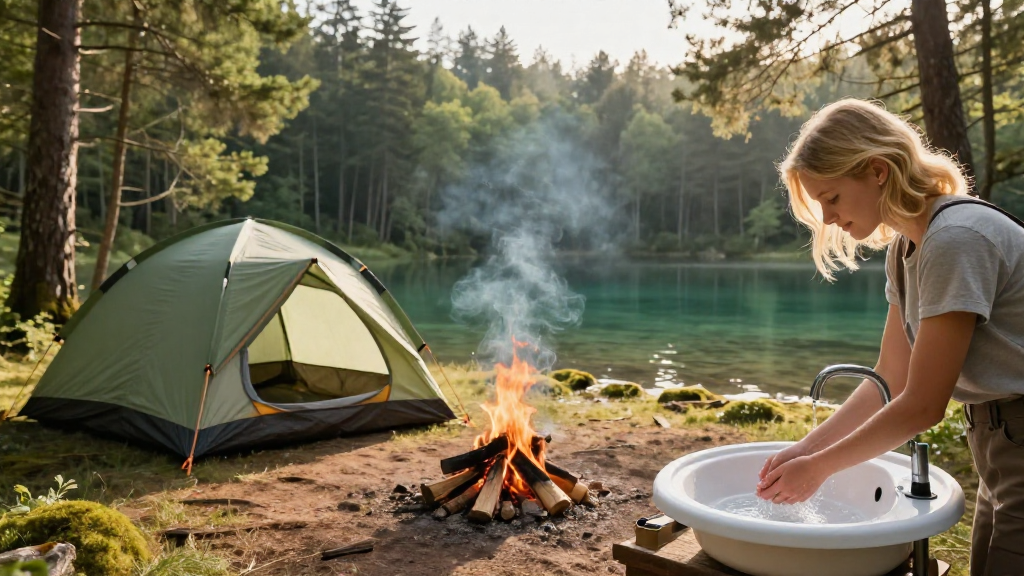
Maintaining good hygiene while camping is crucial for a healthy outdoor experience. In this article, we will explore effective camping hygiene tips to keep you feeling fresh and clean in the great outdoors.
Why Are Camping Hygiene Tips Important?
Camping can be an exhilarating adventure, but it also poses challenges to personal hygiene.
Unfavorable conditions like dirt, dust, and the absence of running water can quickly compromise your cleanliness.
Therefore, understanding and implementing camping hygiene tips can help you avoid unpleasant situations, such as skin irritations, infections, and other health issues.
By adhering to these best practices, you enhance both your enjoyment and safety during your trip.
What Essential Supplies Do You Need for Camping Hygiene?
Having the right supplies can set the foundation for maintaining proper hygiene while camping. Here is a list of must-have items:
- Biodegradable soap: Ideal for washing hands, dishes, and your body without harming the environment.
- Hand sanitizer: Useful for quick cleaning when soap and water are not available.
- Wet wipes: Versatile for quick body clean-ups or cleaning gear.
- Toilet paper: Always remember to bring an ample supply, as public restrooms might not be available.
- Trash bags: Ensure all waste, including personal hygiene products, is disposed of properly.
- Towel: Quick-drying microfiber towels work best for camping environments.
- Toothbrush and toothpaste: Essential for maintaining oral hygiene.
- Camp shower: A portable shower can provide a refreshing rinse after a long day of hiking.
Having these essentials allows you to practice effective camping hygiene tips throughout your adventure.
How Can You Maintain Personal Cleanliness While Camping?
Staying clean while camping involves a few key practices. Here are some practical camping hygiene tips:
-
Wash your hands:
– Always wash your hands before eating and after using the restroom.
– Use soap and water wherever possible, or hand sanitizer when necessary. -
Showers and sponge baths:
– If a shower is accessible, use it regularly.
– If not, opt for sponge baths with biodegradable soap.
– Use a washcloth or wipes to clean your body, focusing on common trouble spots such as underarms and groin areas. -
Foot hygiene:
– Keep your feet dry and clean by changing socks regularly.
– Inspect your feet daily for blisters or cuts. -
Hair care:
– Consider bringing a comb or brush.
– In case of prolonged camping, a quick rinse with water can prevent dirt buildup. -
Oral hygiene:
– Don’t skip brushing your teeth.
– Use a camping toothbrush and toothpaste for fresh breath.
By keeping these camping hygiene tips in mind, you can face the outdoors feeling clean and renewed.
How to Deal with Waste and Toileting While Camping?
Dealing with waste in the wilderness might seem daunting, but it doesn’t have to be when you follow essential camping hygiene tips for toileting:
- Use a designated area: Choose an area at least 200 feet away from water sources.
- Dig a cat hole: Make a hole 6-8 inches deep where you can bury your waste, ensuring you cover it afterward.
- Pack it out: For those in areas with a “pack it out” policy, use specialized bags for human waste.
- Use biodegradable toilet paper: When disposing of toilet paper, it is best to pack it out. If you bury it, ensure it is biodegradable.
Following these camping hygiene tips will not only make your experience more pleasant but also help preserve the natural environment.
What Are the Best Practices for Cooking and Eating Hygiene?
Food safety is a big part of your overall hygiene while camping. Here are essential camping hygiene tips for cooking and eating:
-
Set up a clean cooking area:
– Choose a flat, clean surface away from your sleeping area to prepare food.
– Keep this area tidy and organized. -
Wash hands often:
– Clean your hands thoroughly before handling food.
– Use soap and water, or hand sanitizer, and always after using the toilet. -
Use separate gear:
– Designate specific utensils for raw food and cooked food to avoid cross-contamination.
– Make sure to clean all cooking utensils and surfaces with biodegradable soap. -
Storing food properly:
– Keep food sealed and stored in bear-proof containers if you’re in bear country.
– Store food and cooking gear away from your sleeping area to help deter wildlife.
By adhering to these camping hygiene tips for food preparation, you reduce the risk of foodborne illnesses, ensuring a safer outdoor experience.
How Can You Clean Up After Camping?
Leaving no trace is vital for maintaining the beauty of nature. Here are some camping hygiene tips for cleaning up after your trip:
-
Pack it out:
– Collect all your trash, including food wrappers and hygiene products.
– Dispose of them properly in designated waste disposal areas. -
Leave the campsite clean:
– Ensure you pick up all personal items and waste from your camping area.
– Leave the site cleaner than you found it. -
Clean your gear:
– Upon returning home, clean all camping gear thoroughly, including tents, tarps, and cooking utensils.
– Store equipment in a dry, clean environment to prevent mold growth.
By following these camping hygiene tips, you not only protect your health but also respect the environment and enhance your camping experience for future adventurers.
Conclusion
Incorporating proper camping hygiene tips into your outdoor adventure is essential for both health and enjoyment.
By being mindful of personal cleanliness, waste management, food safety, and cleaning up after yourself, you can ensure that your camping trip remains a refreshing and unforgettable experience.
With these practices in mind, you are better prepared to enjoy everything nature has to offer, while also preserving it for the next generation of campers.
Embrace these camping hygiene tips and make your next outdoor trip a healthy and happy one!