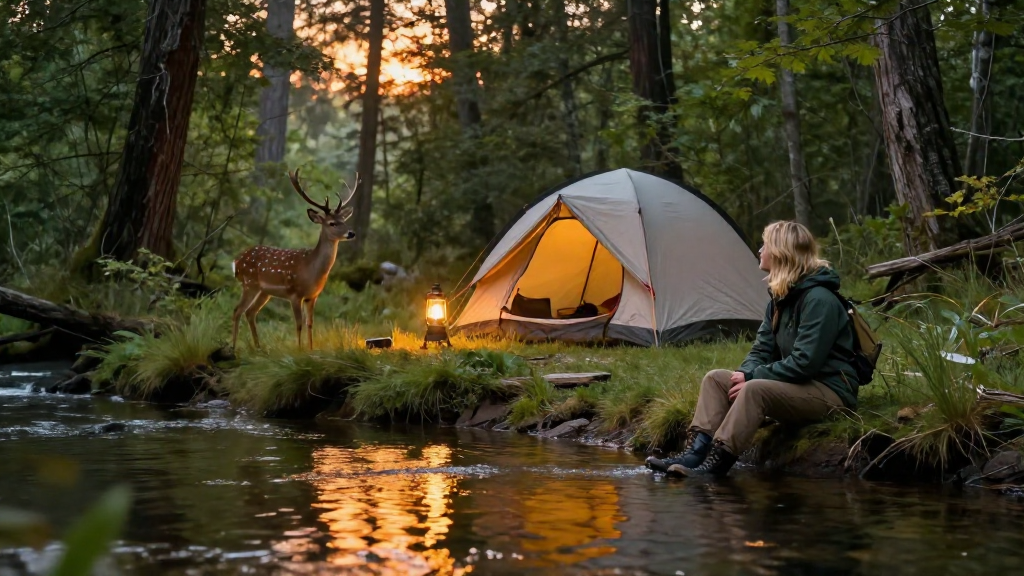
Camping around wildlife can be an exhilarating experience, allowing you to connect with nature and witness the beauty of the great outdoors.
However, it is crucial to prioritize safety.
In this article, we will explore the best practices for camping around wildlife and how to ensure a safe encounter with the magnificent creatures that inhabit our natural landscapes.
What Should You Know Before Camping Around Wildlife?
Before setting out on your wildlife camping adventure, it’s essential to gather knowledge about the area you plan to visit. Each region harbors specific wildlife, and understanding their habits and habitats can significantly enhance your safety.
-
Research Local Wildlife:
Different campsites feature different species. Learn about the common animals in the area, including their behavior, habitats, and seasonal activities. -
Understand the Risks:
Recognize the potential dangers associated with wildlife encounters, including aggressive behavior, diseases, and food-related issues. -
Check Local Regulations:
Many parks and camping sites have rules regarding wildlife interaction. Familiarize yourself with these guidelines to avoid accidents.
How Can You Prevent Unwanted Wildlife Encounters?
Preventing unwanted wildlife encounters is essential for a safe camping experience. Here are some practical tips:
1. Choose the Right Campsite
Select a campsite that is away from known wildlife trails, water sources, and dense brush where animals might hide.
Setting up your tent in an open area can help you maintain visibility.
2. Store Food Properly
Food is a significant attractant for wildlife. Here’s how to store food securely:
- Use bear-proof containers if available.
- Hang food from a tree branch at least 10 feet off the ground and 4 feet away from the trunk.
- Keep all scented items (toiletries, trash) sealed and stored away from your sleeping area.
3. Dispose of Waste Correctly
Proper waste disposal is essential when camping around wildlife. Follow these guidelines:
- Pack out what you pack in—don’t leave trash behind.
- Use designated trash bins if available.
- Bury human waste at least 200 feet away from water sources and campsites.
What Should You Do During a Wildlife Encounter?
Despite your best efforts, you may still encounter wildlife while camping. Here’s what to do when it happens:
1. Stay Calm and Observe
If you spot wildlife, remain calm.
Observe the animal’s behavior from a distance without startling it.
Do not approach or attempt to feed any wildlife, as this may provoke aggressive behavior.
2. Know Animal Behavior
Familiarize yourself with typical animal behavior:
- Bears: Make noise to alert them of your presence. If they approach, back away slowly without making sudden movements.
- Deer: Remain motionless or quietly back away; often, they will walk away on their own.
- Snakes: Give them space, as most will avoid confrontation unless threatened.
3. Carry Bear Spray
Bear spray can be a valuable tool for deterring aggressive bears.
Ensure you know how to use it by reading the instructions beforehand.
How Can You Prepare for Camping Around Wildlife?
Preparation is the key to enjoying a safe camping experience. Here are some ways to get ready:
1. Bring the Right Gear
Packing the right equipment can help mitigate risks:
- Camping Gear: Tent, sleeping bags, and cooking equipment.
- Food Supplies: Non-perishable food, cooking gear, and secure storage containers.
- Safety Tools: First aid kit, bear spray, and a whistle.
2. Educate Your Group
If camping with friends or family, ensure everyone understands the safety protocols for camping around wildlife.
Educating all members of the group contributes to a safer experience.
3. Enroll in Safety Courses
Consider taking wildlife safety courses offered by various organizations, park services, or survival schools.
These courses provide firsthand experience and expert knowledge.
What Are the Benefits of Camping Around Wildlife?
Camping around wildlife offers numerous benefits:
- Connection with Nature: Engaging directly with wildlife enhances appreciation for nature’s beauty.
- Unique Experiences: Witnessing animals in their natural habitats can create lasting memories.
- Educational Opportunities: Learning about local ecosystems and wildlife can foster a deeper understanding of environmental conservation.
Conclusion: Enjoy Camping Around Wildlife Responsibly
Camping around wildlife can be a rewarding endeavor, filled with breathtaking views and unforgettable encounters.
By following guidelines and best practices for safe camping, you can reduce risks and enjoy the experience to the fullest.
Remember to respect wildlife, practice responsible camping, and enjoy the beauty of our planet.
Now that you know how to camp safely, it’s time to pack your bags and get closer to nature!
Happy camping!