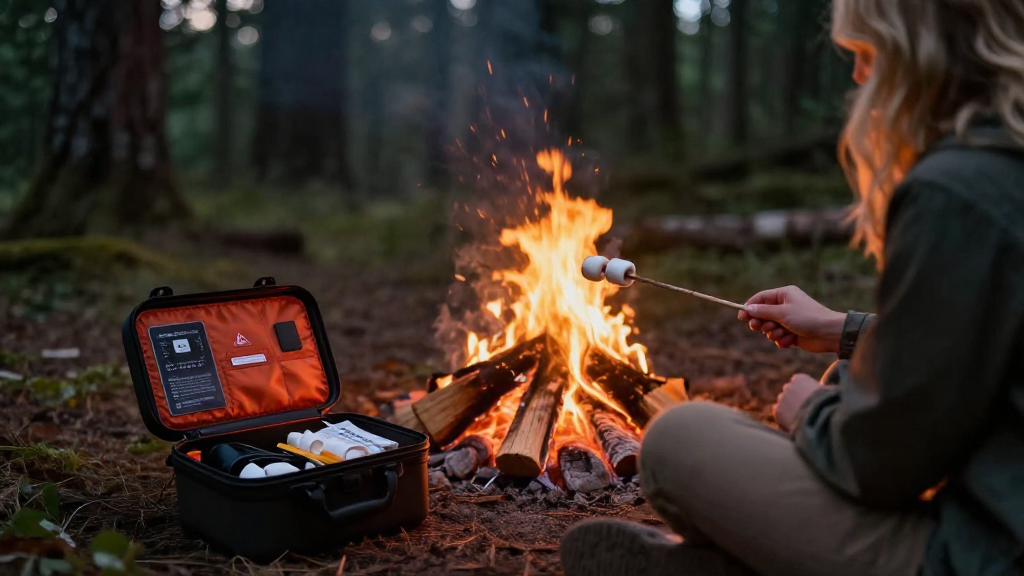
When it comes to enjoying the great outdoors, understanding campfire safety tips is crucial to ensuring a safe and memorable experience.
Why Are Campfire Safety Tips Important?
A campfire can enhance the campsite atmosphere, providing warmth, light, and a perfect setting for storytelling or cooking.
However, it can also pose serious risks if not handled properly.
Following essential campfire safety tips helps prevent wildfires, injuries, and environmental damage.
Let’s explore some vital guidelines to keep in mind.
What Equipment Do You Need for Campfire Safety?
Before starting your campfire, ensure you have the following equipment:
-
Water source: Always have a bucket of water or a fire extinguisher nearby.
-
Shovel: Helps in managing the fire or extinguishing it.
-
Kindling and firewood: Use dry materials for your fire to ensure it burns safely.
-
Firestarter: Use non-toxic fire starters or matches stored in a waterproof container.
By gathering the right equipment beforehand, you can follow campfire safety tips more efficiently.
What Are the Best Locations for Building a Campfire?
Choosing the right spot to build a campfire is crucial. Here are some important considerations:
-
Distance from flammable materials: Make sure to place your fire at least 15 feet away from tents, trees, and other combustible items.
-
Designated fire rings: If you’re at a campsite, use the existing fire ring. This helps contain the fire and protects the surrounding environment.
-
Quality of the ground: Choose a flat area, ideally away from dry grass or leaves.
Making the right choice for your fire location is one of the most vital campfire safety tips you can follow.
How to Properly Build and Manage Your Campfire?
Building an efficient campfire is as important as its location. Here’s how to do it safely:
-
Clear the Area: Remove all debris, twigs, and leaves to create a safe circle around the site.
-
Create a Fire Base: Use stones or a fire ring to contain your fire. Place larger firewood around the perimeter.
-
Build the Fire: Start with small kindling and gradually add larger logs. This helps in maintaining a controllable flame.
-
Keep It Small: Keep your campfire small and manageable. Large fires can spread out of control quickly.
-
Never Leave Unattended: Always have someone monitoring the campfire to control it during its use.
By following these steps, you’ll enhance the safety and effectiveness of your campfire.
What Should You Avoid When Having a Campfire?
There are several practices you should avoid when setting up or using a campfire:
-
Never use accelerants: Avoid gasoline, lighter fluid, or other accelerants as this can lead to uncontrollable flames.
-
Don’t burn toxic materials: Plastics or treated wood can emit harmful fumes.
-
Never allow it to burn out of control: Always keep an eye on the fire and be prepared to put it out if it becomes too large.
-
Don’t forget to extinguish properly: Leaving embers smoldering can lead to uncontained fires.
Remembering these campfire safety tips can save lives and protect our natural environment.
How Do You Safely Extinguish a Campfire?
Properly extinguishing a campfire is just as important as building it safely. Here’s how to do it:
-
Let the fire burn down: Allow the fire to burn down as much as possible.
-
Pour water: Slowly pour water on the fire, starting from the outside and working inward. Avoid pouring excessively, as this can cause steam burns.
-
Stir the ashes: Use a shovel or stick to stir the ashes after the water is poured.
-
Check for heat: Ensure that no embers are still glowing. If they are, continue to douse with water.
-
Visual Confirmation: The ashes should be cool to the touch before you leave the site.
Implementing these steps is a fundamental part of campfire safety tips that every camper should take seriously.
What Are the Regulations Around Campfires?
Before heading out on your camping adventure, it’s essential to check the local regulations regarding campfires.
Many national parks and forests have strict rules, especially during dry seasons when fire danger is high.
Here are some considerations to keep in mind:
-
Fire bans: During dry seasons, many areas enact fire bans. Always check if campfires are permitted in your chosen location.
-
Permits: Some areas may require you to obtain a campfire permit.
-
Local wildlife safety: Ensure that your campfire practices don’t disturb local wildlife, which could lead to dangerous encounters.
Following these regulations is not just a best practice but a necessary step for ensuring safety while camping.
How Can You Educate Others About Campfire Safety?
If you’re an experienced camper or someone passionate about outdoor safety, sharing your knowledge of campfire safety tips with others can be incredibly beneficial.
You can educate others in the following ways:
-
Hold a workshop: Organize a local workshop to teach campfire safety.
-
Social media: Share essential safety tips on platforms like Instagram, Facebook, or blogs.
-
Create informational brochures: Provide leaflets with key points on campfire safety for campers entering busy parks.
Educating others can amplify the message of safety in the great outdoors.
Conclusion: Why Campfire Safety Should Be a Top Priority
Understanding and practicing campfire safety tips is critical for everyone who ventures into nature.
From choosing the right location to proper extinguishing techniques, each step plays a crucial role in ensuring safety and enjoyment.
By being responsible and sharing this knowledge, we can create safer outdoor experiences.
So, the next time you gather around the campfire, remember that safety should always come first. Happy camping!