Choosing the right sleep system can make or break a backpacking trip, especially when every ounce matters. The best ultralight sleeping pads balance pack size, insulation, and comfort without slowing you down.
In this roundup, we focus on practical options for different conditions and budgets, from minimalist foam pads to insulated inflatable designs for colder nights.
Best 10 Ultralight Sleeping Pads Picks for 2026
Lightweight Comfort Pick
TREKOLOGY Ultralight Backpacking Sleeping Pad
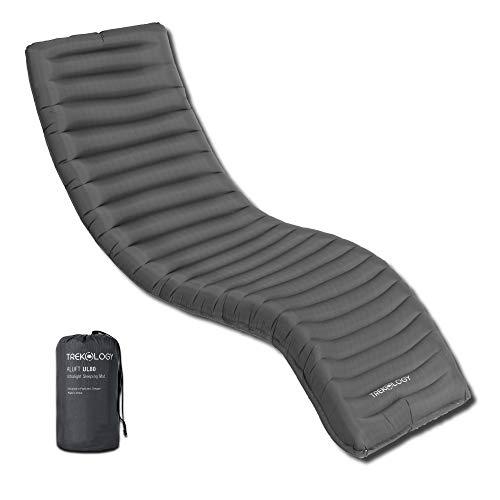
- 4-inch thickness with contoured sides
- Weighs 750g and packs down small
- Best for spring through mild fall camping
Best For: Backpackers who want a light, compact pad with extra comfort
Cold-Weather Insulated Pick
Naturehike Ultralight Insulated Sleeping Pad

- 4.6 R-value with heat-reflective insulation
- 8 cm thick and still weighs 750g
- Includes pump sack, bag, straps, and repair allowance
Best For: Hikers who want a warm, lightweight pad for colder nights
Ultralight Foam Classic
Therm-a-Rest Z Lite Original Sleeping Pad
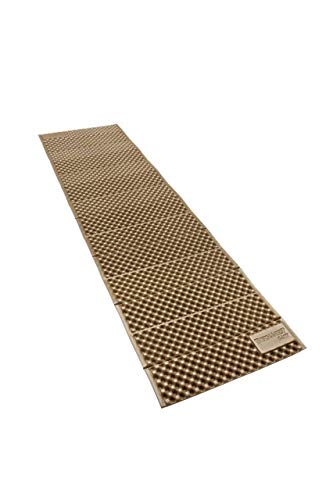
- Closed-cell foam with no inflation needed
- Weighs 14 ounces and folds compactly
- R-value 1.7 with heat-trapping dimples
Best For: Backpackers who want a simple, durable foam pad
All-Season Insulated Pick
TREKOLOGY Ultra-Lightweight 4-Inch Camping Mat

- 7.2 R-value for all-season insulation
- 4-inch thick and 24 inches wide
- Packs to water-bottle size but weighs 900g
Best For: Campers needing a warm, compact inflatable pad for year-round use
Top Pick
Myxslop Ultralight 50D Backpacking Pad

- 3.7-inch thick with integrated pillow
- 50D nylon and TPU coating for durability
- Built-in foot pump inflates fast
Best For: Backpackers who want a thicker, comfort-first pad with rugged construction
Lightest Classic
KLYMIT Static V Lightweight Sleeping Pad

- 18.6-ounce packed weight
- V-chamber design helps with support
- 75D polyester fabric for durability
Best For: Backpackers who want a light, simple pad with a roomy feel
Most Versatile
FUN PAC Ultralight Camping Pad with Pillow

- Built-in pillow and foot pump
- 3-inch thick, extra-wide sleeping surface
- Side buttons connect two pads
Best For: Campers who want a feature-rich pad with quick setup and shared-sleep options
Ultralight Foam Minimalist Pick
Stansport Pack Lite Sleeping Pad
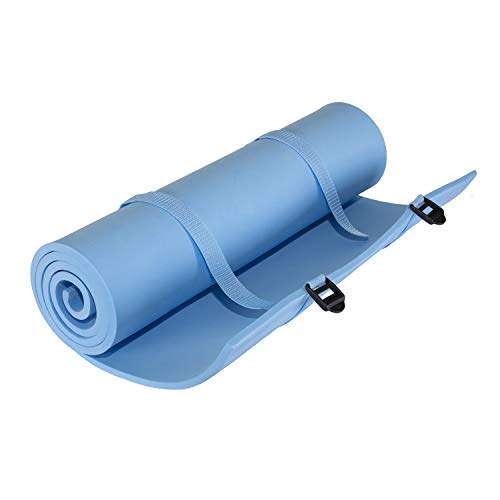
- 9.6 oz closed-cell foam construction
- Waterproof and puncture-proof material
- 72 x 19 in with roll-up straps
Best For: Backpackers who want simple, reliable ground insulation
High-Warmth Inflatable Upgrade
Naturehike 20oz Ultralight Sleeping Pad

- R-value 6.5 insulation with 10cm thickness
- 20D nylon + TPU, PFAS-free build
- Side walls and dual-vent valve design
Best For: Cold-weather hikers wanting lightweight insulated comfort
Foldable Foam Trail Value Pick
REDCAMP Foldable Foam Sleeping Pad

- 480g foldable closed-cell EVA foam
- 22-inch width with R-value 2.1
- Waterproof, puncture-resistant, easy to pack
Best For: Campers who want a wider, simple foam pad
Lightweight Comfort Pick – TREKOLOGY Ultralight Backpacking Sleeping Pad
If you want ultralight sleeping pads that still feel plush, this TREKOLOGY option is built around comfort and easy packability. The 4-inch thickness, contoured sides, and S-curve channels help keep you centered, while the 75.2 x 22.4-inch size works for most adults up to 6.1 ft. It inflates by mouth in minutes and packs down small enough for backpacking trips.
Best For: Backpackers and campers who want a lightweight, compact pad with a more supportive, body-cradling feel.
Pros:
- 4-inch thickness with raised contoured sides helps support side, back, and stomach sleepers.
- Weighs only 750g and packs down to a compact size for easy trail carry.
- 40D nylon with water-resistant coating adds practical durability for tent camping.
- Inflates quickly by mouth; standard pump compatibility adds flexibility.
Cons:
- R-value of 1.6-2 is suited to spring, summer, and mild fall rather than winter use.
- Not self-inflating, so you’ll need to inflate it manually or use a separate pump.
This is a strong choice if comfort and low weight matter more than cold-weather insulation. It fits well into a minimalist backpacking setup without taking up much space.
Cold-Weather Insulated Pick – Naturehike Ultralight Insulated Sleeping Pad
For ultralight sleeping pads that prioritize warmth, this Naturehike model stands out with its 4.6 R-value and heat-reflective internal structure. The 8 cm thickness and multi-layer aluminum insulation are designed to reduce heat loss to the ground, while the 20D nylon and TPU build keeps the pad relatively light for hiking and camping. It also includes a pump sack, storage bag, straps, and a repair allowance.
Best For: Campers and hikers who need a lightweight pad with strong insulation for colder conditions.
Pros:
- 4.6 R-value and heat-reflective layers offer much better insulation than basic summer pads.
- 8 cm thickness provides a cushioned feel and helps block ground chill.
- At 750g, it stays impressively portable for a high-insulation air pad.
- Includes a pump sack, storage bag, straps, and TPU repair allowance.
Cons:
- More specialized for warmth, so it may be overkill for hot-weather trips.
- Requires careful inflation to avoid bulging, according to the product tips.
If your priority is staying warm without giving up packability, this is one of the more capable insulated options here. It makes sense for shoulder-season or colder outings where a higher R-value matters.
Ultralight Foam Classic – Therm-a-Rest Z Lite Original Sleeping Pad
If you prefer ultralight sleeping pads without valves, pumps, or puncture worries, the Therm-a-Rest Z Lite Original is a proven closed-cell foam choice. Its accordion-style folding design is easy to strap on a pack, and the foam dimples are meant to trap heat for added warmth in cold conditions. At just 14 ounces, it is one of the simplest lightweight ground-sleeping options available.
Best For: Backpackers and mountaineers who want a tough, simple foam pad that is light, dependable, and affordable.
Pros:
- Closed-cell foam construction is durable and dependable for rough use.
- Weighs only 14 ounces and folds compactly for pack carry.
- Dimples in the foam help capture heat for extra warmth in cold conditions.
- No inflation needed, so setup is fast and foolproof.
Cons:
- Less cushioned than thicker inflatable pads.
- R-value of 1.7 is modest compared with insulated air pads.
This is a classic pick for hikers who value reliability over plush comfort. It is especially appealing if you want a low-maintenance pad that can handle years of use.
All-Season Insulated Pick – TREKOLOGY Ultra-Lightweight 4-Inch Camping Mat
Among ultralight sleeping pads, this TREKOLOGY model leans hard into all-season insulation and supportive thickness. It uses a 7.2 R-value, 4-inch inflation, and insulating air chambers to reduce heat loss from the ground, while still packing down to about the size of a water bottle. The 40D ripstop nylon and TPU coating add durability and water resistance for regular outdoor use.
Best For: Campers and backpackers who want a warm, compact inflatable pad for year-round trips.
Pros:
- 7.2 R-value offers excellent insulation for cold weather and all-season use.
- 4-inch thickness and wide 24-inch surface improve comfort and help prevent bottoming out.
- Weighs 900g and packs down very small for backpacking.
- 40D ripstop nylon with TPU coating adds durability and water resistance.
Cons:
- Heavier than the lightest pads in this roundup at 2 lbs.
- Pump bag is not included, and it does not have a built-in pump.
This pad makes the most sense if you want a stronger balance of warmth, comfort, and portability. It is especially appealing when you need an inflatable option that can handle cooler conditions.
Top Pick – Myxslop Ultralight 50D Backpacking Pad
If you want ultralight sleeping pads that still feel closer to a real mattress, this Myxslop model is built around comfort and durability. The 3.7-inch thickness, integrated neck pillow, and honeycomb air-chamber layout are aimed at side and back sleepers who want better support on uneven ground without packing extra bulk.
Best For: Backpackers who want a thicker, more comfort-focused pad with a built-in pillow and rugged 50D construction.
Pros:
- 3.7-inch厚 design helps reduce bottoming out on rocky or uneven terrain.
- Built-in ergonomic pillow adds neck support and cuts one item from your pack.
- 50D nylon with TPU coating is made for better tear, puncture, and moisture resistance.
- Built-in foot pump inflates in about 30–60 seconds and uses a dual-valve seal.
Cons:
- At 1.5 lbs, it is still light, but not the lightest option here.
- The comfort-first design may take up a bit more packed space than minimalist pads.
This is a strong pick if comfort and toughness matter more than shaving every ounce. It stands out for its thicker profile, pillow integration, and connectable design for two-pad setups.
Lightest Classic – KLYMIT Static V Lightweight Sleeping Pad
The KLYMIT Static V is a straightforward choice for ultralight sleeping pads when pack weight is the priority. Its V-chamber design is meant to limit air movement and heat loss, while the 2.5-inch thickness and roomy rectangular shape keep it practical for backpacking and hiking.
Best For: Hikers and backpackers who want a lightweight, easy-to-pack pad with a simple design and roomy feel.
Pros:
- Packed weight of 18.6 ounces makes it one of the lighter options in the group.
- V-chamber construction is designed to improve support and reduce heat loss.
- Easy-to-use valve speeds up inflation and deflation.
- Durable 75D polyester fabric adds ruggedness for outdoor use.
Cons:
- No built-in pillow or pump, so setup is more basic than the others.
- At 2.5 inches thick, it is less plush than thicker comfort-focused pads.
If you want a minimalist pad that emphasizes portability and proven simplicity, this one makes a lot of sense. It gives you a stable, lightweight platform without adding features you may not need.
Most Versatile – FUN PAC Ultralight Camping Pad with Pillow
This FUN PAC option is a practical pick if you want ultralight sleeping pads with more comfort features built in. It combines a wide, thick sleeping surface with an integrated pillow, a built-in foot pump, and side buttons that let you connect another pad for more sleeping space.
Best For: Campers and backpackers who want an easy-to-carry pad with a built-in pillow, fast inflation, and connectable side snaps.
Pros:
- Built-in foot pump inflates in about 30–60 seconds and deflates in one second.
- Extra-wide design and 3-inch thickness improve comfort over rough ground.
- Built-in pillow reduces the need to pack a separate one.
- Side buttons let you link two pads for a wider sleeping setup.
Cons:
- At 1.5 lbs, it is compact but not the lightest pad in this roundup.
- The wider, feature-rich design may appeal more to comfort seekers than ultralight purists.
For travelers who want a mix of convenience, comfort, and flexibility, this pad covers a lot of bases. The pump, pillow, and connectable design make it easy to use in camps, tents, and weekend trips.
Ultralight Foam Minimalist Pick – Stansport Pack Lite Sleeping Pad
If you want ultralight sleeping pads that keep setup simple, this closed-cell foam mat is a very straightforward option. It weighs just 9.6 ounces, rolls up for transport, and uses waterproof foam to help block cold and damp ground between you and the tent floor.
Best For: Backpackers, hikers, and campers who want a no-fuss foam pad for basic insulation and fast packing.
Pros:
- Very light at 9.6 ounces for easy carrying
- Closed-cell foam is waterproof and puncture-proof
- 72 x 19 inches gives full-length coverage
- Includes straps for rolling and storage
Cons:
- 3/8-inch thickness is minimal for cushioning
- Narrow 19-inch width may feel tight for some sleepers
This is a practical ultralight choice if your priority is insulation, durability, and packability rather than plush comfort. It keeps the design simple and trail-ready, which suits users who value reliability over extra padding.
High-Warmth Inflatable Upgrade – Naturehike 20oz Ultralight Sleeping Pad
For ultralight sleeping pads that prioritize warmth, this inflatable model stands out with an R-value of 6.5 and a 10cm thick design. It uses a heat-reflective structure, side walls, and a multi-layer insulated build to help reduce heat loss while still packing down small for hiking and backpacking.
Best For: Cold-weather campers and backpackers who want high insulation in a lightweight inflatable pad.
Pros:
- R-value 6.5 for strong insulation
- 20D nylon + TPU build is PFAS-free
- Side walls help keep you centered on the pad
- Includes inflatable bag, straps, and repair allowance
Cons:
- At 575g, it is lighter than many insulated pads but not the lightest option here
- Inflatable design adds setup and deflation steps
This pad is a good fit if warmth-to-weight ratio matters more than absolute simplicity. The thick insulated structure and roomy dimensions make it a strong pick for campers who want more comfort without giving up portable packing.
Foldable Foam Trail Value Pick – REDCAMP Foldable Foam Sleeping Pad
If you are comparing ultralight sleeping pads and want a foldable foam option, this REDCAMP pad focuses on portability and rugged simplicity. It uses closed-cell EVA foam, weighs 480g, and folds into a triple-panel accordion shape that packs neatly into a backpack.
Best For: Campers and backpackers who want a wider foam pad with solid insulation and easy packability.
Pros:
- 480g weight keeps it reasonably light for trail use
- R-value 2.1 provides basic insulation on cold or damp ground
- 22-inch width gives more room for side sleepers
- Foldable accordion design is compact and easy to stow
Cons:
- 0.75-inch thickness is still modest cushioning
- Foam format is less plush than inflatable pads
This is a balanced pick for users who want a wider sleeping surface without the maintenance of an air pad. Its waterproof, tear-resistant foam and multipurpose use make it a dependable camp-and-trail option.
How We Picked the Best Ultralight Sleeping Pads
We looked for pads that deliver a strong mix of low weight, easy carry, reliable insulation, and trail-ready durability. Since Ultralight Sleeping Pads serve very different needs, we favored models that make a clear tradeoff well rather than trying to be everything at once.
We also considered setup speed, packed size, puncture resistance, and whether each pad is better suited to warm-weather trips, shoulder seasons, or three-season backpacking.
Quick Comparison
Foam pads are usually the simplest and toughest choice, while inflatable pads typically offer better comfort and a smaller packed footprint. Insulated inflatable models are the best fit for colder conditions, but they can require a little more care in use and storage.
If you want the lightest possible option, a closed-cell foam pad is hard to beat. If comfort is the priority, an inflatable pad with higher loft or sidewall support will usually sleep better.
Key Buying Factors for Ultralight Sleeping Pads
Weight and Packed Size
For backpacking, a few ounces can matter. Check both trail weight and packed dimensions so the pad fits your pack and your sleep style.
R-Value and Temperature Range
R-value is the clearest insulation spec. Lower values work for warm weather, while higher values are better for spring, fall, and cold sleepers. For Ultralight Sleeping Pads, this is often the biggest performance tradeoff.
Comfort and Thickness
Thickness, baffle design, and width affect how stable the pad feels. Sidewalls, extra loft, or a mummy shape can improve sleep quality for side sleepers and restless sleepers.
Durability and Repairability
Foam pads resist punctures and are easy to live with. Inflatable pads should be checked for fabric strength, valve quality, and whether a repair kit is included or easy to use.
Inflation Method
Built-in pumps can save breath and moisture, while simple valves are often lighter. Consider what matters more to you: speed, convenience, or minimal weight.
Who Should Buy Which Ultralight Sleeping Pads?
Choose a foam pad if you want maximum simplicity, low cost, and high durability. Pick an insulated inflatable if you camp in cooler conditions and want more comfort without carrying a heavy bed.
If you are a side sleeper or prioritize a better night’s rest, go for a thicker inflatable design. If you want a reliable backup or a no-fuss ultralight option, a foldable closed-cell foam pad is often the safest bet.