Choosing the right sleeping pad can make a bigger difference than almost any other piece of camp gear. The best self inflating sleeping pads balance comfort, insulation, and convenience so you sleep better in more conditions.
Below, we focus on practical buying factors that matter most for backpackers, car campers, and anyone who wants easier setup without giving up warmth or support.
Best 10 Self Inflating Sleeping Pads Picks for 2026
All-Season Hybrid Comfort
Gear Doctors Oxylus 4.3 R-Value Self Inflating Pad
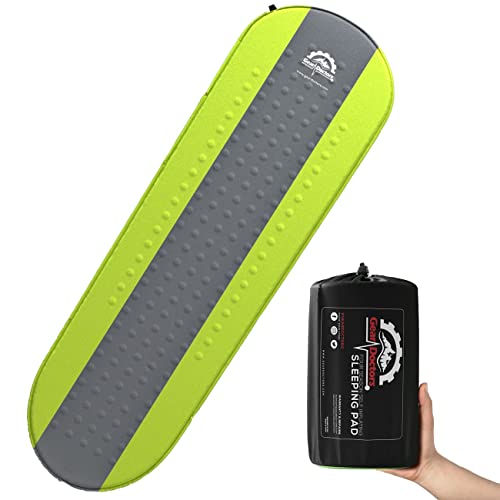
- 4.3 R-value for added warmth
- Self-inflates, then fine-tunes with breaths
- 35.2 oz with a compact packed size
Best For: Campers who want a warm, versatile pad for mixed outdoor use
Ultralight Trail Choice
Therm-a-Rest NeoAir Xlite NXT Ultralight Pad

- Weighs just 13 oz in Regular
- 4.5 R-value with heat-trapping tech
- Packs down small and inflates fast
Best For: Backpackers who want top-tier warmth and minimum weight
Plush Cot-Size Support
Lost Horizon Option3 4.5-inch Self-Inflating Mattress
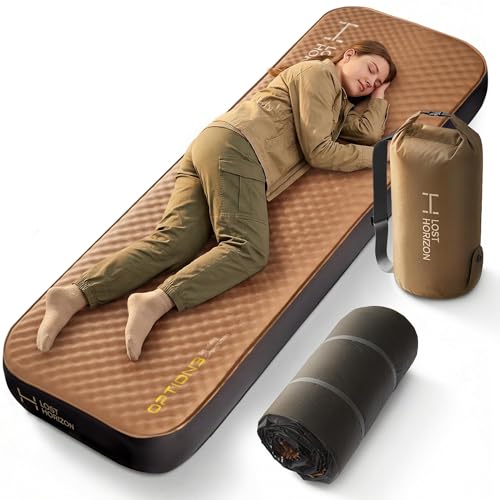
- 4.5-inch thick foam-and-air design
- R-value of 13 for strong insulation
- Quiet, adjustable comfort for basecamp
Best For: Car campers and basecamp sleepers who want maximum cushioning
Budget-Friendly Camp Comfort
Coleman Silver Springs Self-Inflating Sleep Pad

- R-value 5+ foam insulation
- Inflates in seconds with an easy valve
- Under 4 pounds for campsite use
Best For: Casual campers who want simple warmth and easy setup
Premium Ultra-Thick Comfort

- 3.1" thick foam with built-in pillow
- R-value 9.5 for all-season insulation
- 50D knit fabric is quiet and skin-friendly
Best For: Car camping, road trips, and campers who want maximum cushioning
Balanced Plush Support

- 3.15" thick with built-in pillow
- 26D memory foam eases pressure points
- R-value 9.5 and quiet stretch-knit fabric
Best For: Family camping, car camping, and guest sleepers
Adjustable Foam-Air Comfort

- Foam and air combo with adjustable firmness
- Built-in foot pump simplifies topping up
- Removable, washable cover for easier cleaning
Best For: Car camping and tent sleepers who want adjustable comfort
Ultra-Insulated Comfort Pick
Memory Sleeping Pad, 3.1" Ultra-Thick Foam Sleeping Mats

- 3.1-inch foam-and-air construction
- 9.5 R-value for four-season insulation
- Foot pump setup in under 30 seconds
Best For: Car campers wanting thick, quiet, highly insulated comfort
Balanced All-Rounder
OGERY Self-Inflating Sleeping Pad, 3" Memory Foam Camping Mattress

- 3-inch foam-and-air support for multiple sleep positions
- Built-in foot pump for quick firmness adjustment
- Non-slip base helps reduce shifting overnight
Best For: Tent and car campers wanting stable, quiet comfort
Easy-Setup Power Pick
OGERY 3.15" Memory Foam Sleeping Pad

- Built-in electric pump for inflation and deflation
- 3.15-inch foam-and-air comfort with pillow
- Quiet design for less sleep disruption
Best For: Travelers who want powered setup and plush, easy storage
All-Season Hybrid Comfort – Gear Doctors Oxylus 4.3 R-Value Self Inflating Pad
If you want self inflating sleeping pads that balance warmth, comfort, and simple setup, the Gear Doctors Oxylus is built for that middle ground. Its foam-and-air hybrid design self-inflates quickly, then lets you fine-tune firmness with a few breaths, making it a practical pick for camping, backpacking, and car-camping trips where versatility matters.
Best For: Campers who want a warm, easy-to-use pad that works across a wide range of outdoor setups.
Pros:
- 4.3 R-value insulation helps maintain warmth on colder ground.
- Self-inflates and can be adjusted quickly with a few breaths.
- Compact packed size and 35.2 oz weight make it manageable to carry.
- Durable 75D micro-coated polyester shell is made for outdoor use.
Cons:
- Not the lightest option if you are counting every ounce for backpacking.
- Thickness is 1.5 inches, so it is less plush than thicker cot-style pads.
The Oxylus stands out as a flexible all-around sleeping pad for people who want insulation without a complicated setup. It is a strong fit for mixed-use camping trips where comfort, reliability, and packability all matter.
Ultralight Trail Choice – Therm-a-Rest NeoAir Xlite NXT Ultralight Pad
Therm-a-Rest NeoAir Xlite NXT Ultralight Camping and Backpacking Sleeping Pad, Solar Flare, Regular
Check Price On AmazonAmong self inflating sleeping pads, the Therm-a-Rest NeoAir Xlite NXT is aimed squarely at ultralight backpackers who want warmth without extra bulk. It uses a foam-free NeoAir build, packs down very small, and still delivers a 3-inch profile with strong support for year-round trips.
Best For: Backpackers prioritizing the lightest possible pad with serious warmth and packability.
Pros:
- Very light at 13 oz in Regular size.
- 4.5 R-value and ThermaCapture technology help trap heat.
- 3-inch thickness and Triangular Core Matrix add stability and support.
- WingLock valve plus pump sack support fast inflation and deflation.
Cons:
- Foam-free design may not suit buyers who specifically want a foam self-inflating feel.
- Premium ultralight construction is more specialized than basic camping pads.
This is a strong choice if your priority is keeping your pack weight low while still getting reliable insulation. It is one of the most trail-focused options in the group for people who camp hard and travel light.
Plush Cot-Size Support – Lost Horizon Option3 4.5-inch Self-Inflating Mattress
If comfort is your top priority, this is one of the most substantial self inflating sleeping pads in the lineup. The Lost Horizon Option3 uses a foam-and-air build with a 4.5-inch thickness and a high R-value, making it better suited to basecamp, car camping, or cot-style sleep setups than lightweight travel.
Best For: Campers who want a thick, quiet, highly insulated mattress for basecamp or car camping.
Pros:
- 4.5-inch thickness and foam fill provide strong cushioning.
- R-value of 13 offers exceptional insulation for all-season use.
- Adjustable firmness lets you tailor comfort to your preference.
- Quiet, stable construction helps reduce movement noise at night.
Cons:
- Not recommended for backpacking.
- Bulk and weight make deflation and stowing more demanding.
- Electric pump is sold separately if you want faster deflation help.
This pad is built for sleepers who value thickness and warmth over portability. If your camping style leans toward comfort-first trips, it offers a very forgiving sleep surface.
Budget-Friendly Camp Comfort – Coleman Silver Springs Self-Inflating Sleep Pad
The Coleman Silver Springs is a straightforward choice for shoppers looking for self inflating sleeping pads with a familiar, practical camping setup. It combines foam cushioning, a soft polyester outer layer, and an easy valve design, making it simple to use for standard tent nights and weekend trips.
Best For: Campers who want a simple, warm, and affordable-feeling sleeping pad for casual use.
Pros:
- Foam construction with an R-value of 5+ helps keep you warm.
- Intuitive valve inflates in seconds for easy setup.
- Weighs less than 4 pounds, which is manageable for camping trips.
- PVC coating adds abrasion resistance for durability.
Cons:
- At 3 inches thick, it offers less cushioning than thicker premium pads.
- Heavier than ultralight backpacking-focused models.
This pad makes sense if you want a warm, no-fuss option for regular camping without overcomplicating the gear list. It is a solid middle-ground pick for people who value ease of use and dependable basics.
Premium Ultra-Thick Comfort – Wevelel 3.1" Memory Foam Pad
If you’re comparing self inflating sleeping pads for car camping or tent trips, the Wevelel model stands out for its very thick foam build, high R-value, and quiet fabric surface. It’s aimed at campers who want a plush sleep setup with strong insulation and a straightforward inflate/deflate process.
Best For: Car campers, road-trippers, and campers who want a thick, well-insulated pad with a built-in pillow.
Pros:
- 3.1-inch thickness and 800 lb static load test support a more elevated sleep surface.
- R-value of 9.5 for strong insulation in cold or warm conditions.
- High-density 50D memory foam with fast self-inflation and easy dual-use valves.
- 50D stretch knit fabric is breathable, tear-resistant, and described as noiseless.
Cons:
- At 6.59 lbs, it’s better suited to car camping than long hikes.
- Bulky foam construction will take more storage space than thinner pads.
Overall, this is a comfort-first choice among self inflating sleeping pads, especially if warmth, thickness, and a quieter sleeping surface matter more than packability.
Balanced Plush Support – Elegear 3.15" Memory Foam Pad
The Elegear option is one of the more comfort-focused self inflating sleeping pads, pairing a 3.15-inch foam mattress with a built-in pillow and a quick-open valve setup. It’s a practical pick if you want thick padding, strong insulation, and an easy setup for camping or guest use.
Best For: Family camping, car camping, and guest sleeping where comfort and insulation are priorities.
Pros:
- 3.15-inch thickness and 800 lb static pressure testing add confidence for heavier use.
- 26D memory foam is designed to distribute weight and relieve pressure points.
- Self-inflates quickly with open valves and no mouth or hand inflation.
- R-value of 9.5 and quiet stretch-knit fabric support all-season use.
Cons:
- Weight is listed at 8.1 lbs, so it’s not ideal for carrying far.
- First inflation may take up to 20 minutes because it arrives vacuum packed.
For shoppers who want a thicker, well-insulated pad with simple inflation and a built-in pillow, this is a strong all-around camping mattress.
Adjustable Foam-Air Comfort – OGERY 3" Self-Inflating Pad
The OGERY model takes a slightly different approach to self inflating sleeping pads by combining foam cushioning with adjustable air support. That makes it a useful pick if you want a softer base, a raised pillow area, and the ability to fine-tune firmness during car camping or tent stays.
Best For: Campers who want adjustable firmness, an easy-clean cover, and a comfort-oriented pad for car trips or tents.
Pros:
- Foam plus air design lets you adjust firmness to your preference.
- Built-in foot pump removes the need for a separate pump or mouth inflation.
- Removable, washable cover makes cleanup easier after trips.
- Integrated raised pillow and 77″ x 27″ sleeping area add comfort.
Cons:
- At 3 inches thick, it is slightly thinner than some other comfort-first pads here.
- Best suited to car camping and short carries, not ultralight backpacking.
As a practical camping mattress, this one is appealing if you want a self-inflating base with more control over firmness and a cover you can remove and wash.
Ultra-Insulated Comfort Pick – Memory Sleeping Pad, 3.1" Ultra-Thick Foam Sleeping Mats
If you want self inflating sleeping pads that feel closer to a real mattress, this foam-and-air hybrid is built for comfort and cold-weather insulation. Its 3.1-inch thickness, high-density foam core, and 9.5 R-value make it a strong choice for car camping, tent use, and guest sleeping where warmth and pressure relief matter most.
Best For: Campers who want maximum insulation, thick cushioning, and easy setup for drive-in trips.
Pros:
- Foot-pump inflation and auto-expansion help it set up in under 30 seconds.
- 3.1-inch foam core is designed to reduce pressure on shoulders, hips, and back.
- 9.5 R-value insulation is a standout for four-season comfort.
- Quiet surface avoids the crinkly noise common with some air pads.
Cons:
- At 6.5 pounds, it is not ideal for ultralight trips.
- Best suited to car camping and similar setups rather than backpacking.
This is a strong pick if your priority is sleeping comfort over minimal packed size. The adjustable firmness and built-in pillow add convenience, while the insulated construction makes it especially appealing for colder nights.
Balanced All-Rounder – OGERY Self-Inflating Sleeping Pad, 3" Memory Foam Camping Mattress
Among self inflating sleeping pads, this OGERY model aims for a practical balance of comfort, stability, and easy setup. The 3-inch memory foam and air hybrid design is meant to reduce the bouncy feel of basic air pads, while the built-in foot pump lets you fine-tune firmness without mouth inflation or extra gear.
Best For: Campers who want a stable, quiet pad for tent camping, car camping, or weekend trips.
Pros:
- 3-inch foam support is designed to work well for side, back, and stomach sleepers.
- Built-in foot pump adds firmness control without a separate pump.
- Textured non-slip base helps keep the pad in place on tent floors or car trunks.
- Quiet foam-filled construction reduces movement noise during sleep.
Cons:
- At about 6 pounds, it is better for car-based camping than backpacking.
- The focus is comfort and stability, not an ultralight packed profile.
This pad makes sense if you want a straightforward camping mattress that is easier to manage than an air-only bed. It offers practical comfort features and insulation for cooler nights without overcomplicating the setup.
Easy-Setup Power Pick – OGERY 3.15" Memory Foam Sleeping Pad
If you want self inflating sleeping pads with the simplest setup and storage, this OGERY model stands out thanks to its built-in electric pump. The memory foam and air construction adds cushioning and adjustable support, while the integrated pillow and quick deflation features make it especially convenient for road trips, RV travel, and guest use.
Best For: Campers and travelers who want powered inflation, compact storage, and plush comfort.
Pros:
- Built-in electric pump handles both inflation and deflation.
- 3.15-inch thick foam-and-air build provides cushioned support on hard ground.
- Integrated pillow removes the need for a separate camping pillow.
- Quiet surface is designed to reduce crinkling and movement noise.
Cons:
- Focuses on comfort and convenience rather than ultralight portability.
- Electric pump setup is less hands-on than foot-pump designs.
This is the most convenience-focused option in the group. It is a strong fit if you value low-effort setup, compact powered storage, and a plush sleep surface for camping or home overflow use.
How We Picked the Best Self Inflating Sleeping Pads
For this roundup, we prioritized real-world comfort, insulation performance, thickness, packed size, and ease of use. We also looked at whether a pad is better suited to backpacking, base camping, or car camping, since not every model is built for the same job.
Materials and features matter too. Foam density, valve design, included pillow support, and claimed R-value can all affect how a pad feels and performs overnight. A higher number is not always better if the pad becomes too bulky or heavy for your trip style.
Quick Comparison
In general, ultralight options are best for hikers who count every ounce, while thicker foam models are better for side sleepers and cold-weather comfort. More insulated Self Inflating Sleeping Pads usually offer better warmth, but they may trade off with pack size and portability.
If you camp from a vehicle or want the easiest setup, heavier mattresses with thicker foam can be a smarter value. If you backpack frequently, focus first on weight and packed dimensions, then choose the highest comfort level you can carry.
Key Buying Factors for Self Inflating Sleeping Pads
Comfort and Thickness
Thickness is one of the clearest indicators of comfort. Pads around 3 inches or more tend to feel more stable for side sleepers and help reduce bottoming out on uneven ground. If you sleep on your back and pack light, a thinner pad may still be enough.
Insulation and R-Value
For three-season use, an insulated pad with a moderate to high R-value is usually the safest choice. If you camp in colder shoulder seasons or on chilly ground, insulation matters as much as cushioning. Self Inflating Sleeping Pads with stronger foam and better thermal ratings can help reduce heat loss from below.
Weight and Packed Size
Backpackers should pay close attention to weight and how compact the pad becomes after deflating. Car campers can usually favor comfort and insulation over portability, but a pad that is too bulky can still be inconvenient to store or move.
Inflation and Deflation Ease
Some pads truly self inflate with minimal effort, while others still benefit from a few breaths or a pump to reach full firmness. Easy valves and quick deflation are helpful if you set up camp often or want faster morning breakdown.
Who Should Buy Which Self Inflating Sleeping Pads?
Choose a lightweight model if you hike long distances or prioritize minimal pack weight. Choose a thicker, more insulated pad if you want the best sleep comfort for car camping, colder nights, or side-sleeping support.
If you want the simplest setup, look for Self Inflating Sleeping Pads with reliable valves and low-maintenance foam construction. If warmth is your top concern, make insulation and R-value the deciding factors before extra features like pillows or electric pumps.