Cold-weather trips demand dependable communication when batteries drain faster, gloves make controls harder to use, and terrain can block cellular coverage. The right satellite communicator can provide messaging, location sharing, weather updates, or emergency SOS access far beyond the reach of a phone.
We selected six options spanning two-way satellite messengers, a global satellite phone, and alternative long-range communication devices. Use the guide below to match features, durability, coverage, and subscription costs to your winter travel plans.
Best 6 Satellite Communicators for Cold Weather Picks for 2026
Satellite Weather Receiver
GOES SDR Weather Satellite Bundle
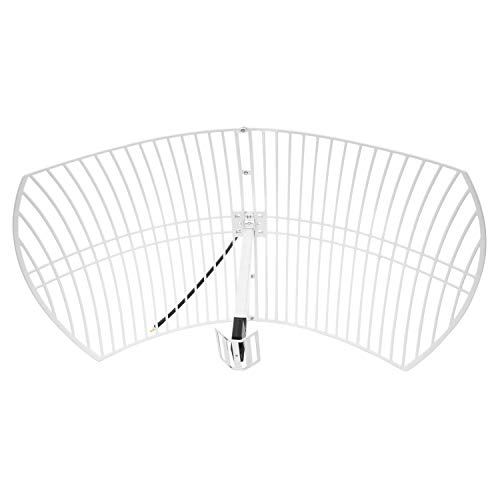
- Receives detailed satellite weather imagery
- Includes antenna, SDR, LNA, cable, and adapters
- Requires a host device and decoding software
Best For: Fixed-location weather monitoring and radio hobbyists
LTE Group Radio

- Provides push-to-talk communication over 4G LTE
- IP67-rated against water and dust
- Five-pack with rechargeable batteries and group management
Best For: Teams and families with LTE coverage
Satellite Messenger
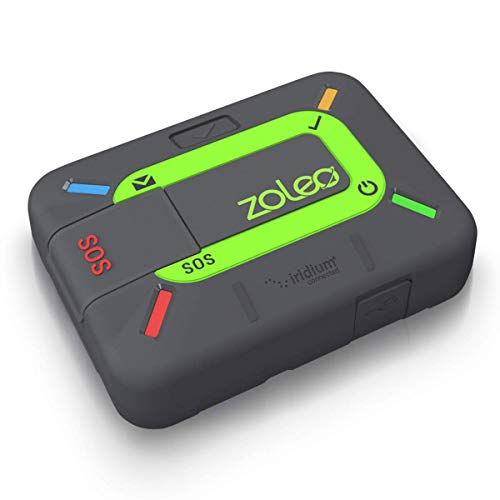
- Two-way messaging over Iridium, cellular, or Wi-Fi
- IP68-rated with more than 200 hours of battery life
- SOS, GPS location, check-ins, and weather support
Best For: Remote hiking, camping, and cold-weather travel
Best Global Coverage
Iridium Extreme Satellite Phone

- Global Iridium coverage includes polar regions
- Voice, SMS, GPS tracking, and SOS
- Military-standard durability with IP65 protection
Best For: Remote users needing global satellite voice communication
Best Bundle for Check-Ins
ACR Bivy Stick with Protective Case

- Two-way messaging and GPS location sharing
- SOS support with offline maps and navigation
- Includes pouch, belt attachment, and carabiner
Best For: Smartphone users needing portable off-grid check-ins
Best for Tracking Groups
ACR Bivy Stick Satellite Communicator

- Global messaging, GPS tracking, offline maps, and SOS
- 120-hour stated battery life
- GroupTrack supports up to 12 people
Best For: Groups and expeditions needing extended tracking
Satellite Weather Receiver – GOES SDR Weather Satellite Bundle
For technically inclined users researching satellite communicators for cold weather, this bundle is better understood as a satellite weather-image receiver than a two-way communicator. It includes the antenna, SDR, amplifier, cable, and adapters needed to receive compatible satellite transmissions, but you will need a host device and decoding software.
Best For: Receiving near-real-time weather satellite imagery at a fixed location, such as a home, cabin, or weather-monitoring setup.
Pros:
- Designed to receive detailed imagery from GOES and other compatible weather satellites.
- Includes the 21dBi parabolic antenna, SDR receiver, LNA, 10m cable, and required adapters.
- Supports LRIT, HRIT, HRPT, and several satellite systems operating near 1.6–1.8GHz.
- Includes a two-year warranty directly through Nooelec.
Cons:
- It is not a portable two-way emergency messenger.
- A host device and software are required, and setup involves assembling and decoding the system.
This is a specialized choice for monitoring weather data rather than communicating from a cold-weather trail. SatDump is recommended, but users should be comfortable with antenna placement, software, and radio equipment.
LTE Group Radio – KaYoTom 4G LTE Walkie Talkies
For teams comparing satellite communicators for cold weather, this five-pack offers a different approach: 4G LTE push-to-talk communication rather than satellite service. The radios are built for harsh conditions and can provide broad coverage where compatible cellular data service is available, but they are not a substitute for off-grid satellite messaging.
Best For: Construction crews, vehicle fleets, families, and groups that need instant communication in areas with LTE coverage.
Pros:
- Uses 4G LTE connectivity for communication across cities, states, and countries where service is available.
- IP67-rated construction is designed to resist water and dust, with protection against two-meter drops.
- 3000mAh rechargeable battery is advertised for more than 80 hours of use and up to 15 days of standby.
- Noise filtering, group management, USB-C charging, belt clips, and emergency lights add practical utility.
Cons:
- It depends on LTE connectivity and is not a satellite communicator.
- The product includes service and SIM details that buyers should verify before relying on it for remote trips.
These radios make sense for organized groups operating within cellular coverage, especially where durability and group calling matter. For truly remote cold-weather travel beyond LTE networks, choose a device designed for satellite communication instead.
Satellite Messenger – ZOLEO Global Communicator
For shoppers seeking satellite communicators for cold weather, the ZOLEO is the most directly aligned option here. Paired with an iOS or Android phone, it can send two-way messages over the Iridium satellite network when cellular and Wi-Fi are unavailable, while its IP68-rated housing and long battery life suit extended outdoor trips.
Best For: Hikers, campers, and remote travelers who need two-way messaging, location sharing, check-ins, and emergency support beyond cell coverage.
Pros:
- Uses the Iridium satellite network, cellular, or Wi-Fi to route messages through the lowest-cost available connection.
- Offers SOS alerts with GPS location and access to 24/7 emergency monitoring, plus non-emergency Medical Assist.
- IP68-rated construction and more than 200 hours of battery life support demanding outdoor use.
- Includes a dedicated SMS number, email address, unlimited check-ins, weather forecasts, and messages up to 900 characters.
Cons:
- A compatible smartphone is required for app-based messaging and control.
- A service plan is required, with optional location-sharing and travel-risk coverage add-ons.
With genuine satellite connectivity, emergency features, and strong stated battery life, ZOLEO is the clearest fit for cold-weather adventures outside cellular range. Remember that satellite messaging still requires an active plan and suitable sky access.
Best Global Coverage – Iridium Extreme Satellite Phone
For buyers comparing satellite communicators for cold weather, the BlueCosmo Iridium Extreme stands out as a rugged satellite phone with coverage across polar regions, oceans, and other remote areas. It supports voice calls, SMS, GPS tracking, and emergency SOS, while its military-standard durability and IP65 rating suit demanding outdoor use.
Best For: Users who need global voice communication and dependable emergency features in harsh, remote environments.
Pros:
- Iridium network provides truly global coverage, including polar regions.
- Supports voice, SMS, GPS tracking, and emergency SOS.
- Military-standard 810F resistance and IP65 ingress protection.
- Bundle includes chargers, holster, hands-free earpiece, external antenna, and an 18-month BlueCosmo warranty.
Cons:
- Prepaid airtime must be purchased and loaded separately after the included SIM is activated.
- More specialized than a compact satellite messenger if you mainly need check-ins and location sharing.
The Iridium Extreme is the strongest choice here when cold-weather communication requires actual satellite voice service, broad network reach, and a highly rugged handset rather than app-based messaging alone.
Best Bundle for Check-Ins – ACR Bivy Stick with Protective Case
NEW ACR Bivy Stick 2-Way Satellite Communicator with Carrying Case and Carabiner Bundle
Check Price On AmazonThe ACR Bivy Stick bundle is a practical option among satellite communicators for cold weather when you want two-way messaging, GPS sharing, and SOS support through a compatible smartphone. Its included pouch, belt attachment, and carabiner make it easier to carry on hikes, ski trips, and other off-grid outings.
Best For: Outdoor users who want a compact satellite phone alternative with messaging, location sharing, and a ready-to-carry protective case.
Pros:
- Offers two-way satellite communication without cell coverage.
- Supports unlimited check-in messages and GPS location sharing.
- Includes offline maps and navigation through the compatible app.
- Bundle includes a protective pouch with belt attachment and carabiner.
Cons:
- Requires a compatible smartphone for the listed app-based features.
- The supplied notes do not specify battery life, water resistance, or subscription pricing.
This Bivy Stick bundle makes sense for travelers who prioritize lightweight check-ins and location updates over satellite voice calls, especially when the included carrying accessories are useful in cold-weather gear setups.
Best for Tracking Groups – ACR Bivy Stick Satellite Communicator
For demanding trips, this ACR Bivy Stick combines global Iridium coverage with two-way SMS, GPS tracking, offline maps, weather updates, and location sharing. Its IPX7 and MIL-STD-810-compliant enclosure, along with a stated 120-hour battery life, gives it a particularly useful profile for cold-weather hiking, camping, and skiing.
Best For: Adventurers, guides, and groups that need extended battery life, live tracking, and coordinated off-grid communication.
Pros:
- Global Iridium coverage supports messaging, tracking, SOS, and weather updates.
- 120-hour stated battery life is useful for longer trips.
- GroupTrack supports messaging and location sharing with up to 12 people.
- IPX7 and MIL-STD-810-compliant enclosure is designed for demanding outdoor use.
Cons:
- Requires an iOS or Android device and an activated service plan for app-based features.
- Plans involve a one-time three-month commitment per device before switching month-to-month.
- It is a communicator and tracker rather than a satellite voice phone.
The combination of long battery life, group tracking, offline navigation, and rugged construction makes this the most capable choice for organized cold-weather expeditions and users who want others to follow their route.
How We Picked These Satellite Communicators for Cold Weather
We focused on communication tools suited to remote travel, winter recreation, and emergency preparedness. Key considerations included network coverage, two-way communication, SOS functionality, GPS or location sharing, device durability, portability, and the practical effects of cold on battery life and usability.
The selection includes dedicated satellite messengers such as the ZOLEO and ACR Bivy Stick, a truly global Iridium satellite phone, and alternative radio-style products. The Nooelec bundle is a receive-only software-defined radio setup, so it is better suited to satellite weather data and monitoring than personal emergency messaging. LTE push-to-talk radios also depend on available cellular networks and should not be treated as a replacement for satellite service in isolated terrain.
Quick Comparison
| Product type | Best use | Coverage considerations | Communication |
|---|---|---|---|
| ACR Bivy Stick | Backcountry messaging and SOS | Global satellite coverage, subject to sky view | Two-way messaging, tracking, SOS |
| ZOLEO Communicator | Simple satellite messaging | Iridium network; outdoor satellite view required | Two-way messaging and SOS |
| Iridium Extreme | Voice communication in remote areas | Global Iridium coverage | Voice, SMS, GPS, emergency functions |
| LTE PoC radios | Group communication near cellular coverage | Requires compatible mobile networks | Push-to-talk voice |
| Nooelec SDR bundle | Receiving satellite weather data | Depends on signal, antenna, and setup | Receive-only monitoring |
Key Buying Factors for Satellite Communicators for Cold Weather
Battery Performance and Charging
Cold reduces lithium-ion battery efficiency, especially during prolonged exposure. Look for devices with published battery estimates, USB charging, and low-power tracking modes. Keep the communicator insulated in an inner pocket and carry a power bank in similarly protected conditions.
Network Coverage and Sky Visibility
Satellite devices generally need a reasonably unobstructed view of the sky. Deep valleys, dense forest, buildings, and steep mountain walls can delay messages. Confirm which satellite network the device uses and download maps or instructions before leaving service.
Messaging, Voice, and SOS Features
Two-way messaging is useful for trip updates and coordinating help, while a satellite phone is more suitable when live voice communication matters. Verify whether SOS monitoring is included, requires a subscription, or carries additional charges. Test the device and app before your trip.
Glove-Friendly Operation and Durability
Physical buttons, a readable screen, a secure carabiner, and water- or dust-resistant construction are valuable in snow and poor weather. Check the operating-temperature range where available, and avoid relying on a touchscreen that is difficult to use with gloves.
Subscription and Ownership Costs
Compare activation fees, monthly plans, message limits, tracking charges, weather features, and suspension options. A lower device price may become expensive if the service plan does not match your usage.
Who Should Buy Which Satellite Communicators for Cold Weather?
Choose the ACR Bivy Stick or ZOLEO for routine two-way messaging, location sharing, and emergency support on hiking, skiing, hunting, or camping trips. Choose the Iridium Extreme if voice calls and maximum global reach are more important than compact size or low ownership cost.
Consider the LTE push-to-talk radios for work crews and groups operating where cellular service is available, but carry a true satellite messenger for areas without network coverage. The Nooelec bundle is the specialist choice for enthusiasts who want to receive satellite weather information rather than communicate with people in the field.