If you want better sleep outdoors, the right pad matters as much as the sleeping bag. Insulation, thickness, and packed size all affect how warm and comfortable you feel through the night.
We rounded up 10 insulated sleeping pads that balance warmth, portability, inflation style, and all-season performance for different types of campers.
Best 10 Insulated Sleeping Pads Picks for 2026
Basecamp Comfort
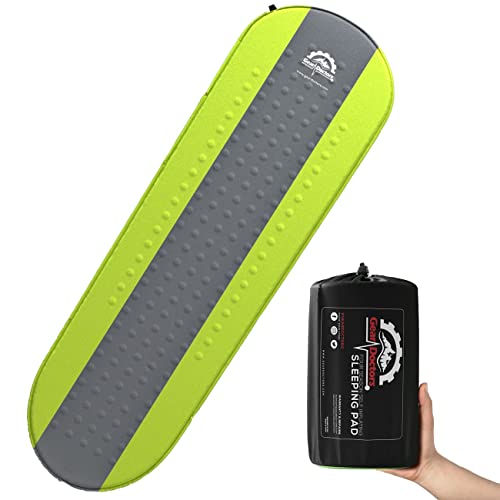
- 4.3 R-value for 4-season warmth
- Self-inflates and packs down compactly
- Durable 75D shell with elastic roll-up band
Best For: Campers wanting an easy-to-use insulated all-rounder
Cold-Weather Ultralight

- R-value 4.9 for four-season warmth
- Ultralight tapered mummy-style shape
- Quick inflation with Vortex Valve
Best For: Ultralight campers prioritizing warmth and compact packing
Deep-Insulation Value

- 7.2 R-value for strong all-season insulation
- 4-inch thickness for better support
- Packs to water-bottle size despite the warmth
Best For: Campers who want high insulation in a portable pad
Classic Warmth

- V-Chamber shape improves comfort and support
- Klymalite insulation for 4-season warmth
- Lightweight and quick to inflate
Best For: Backpackers wanting a proven insulated pad with easy setup
Winter Insulation
OGERY Insulated Sleeping Pad, R-Value 9.0
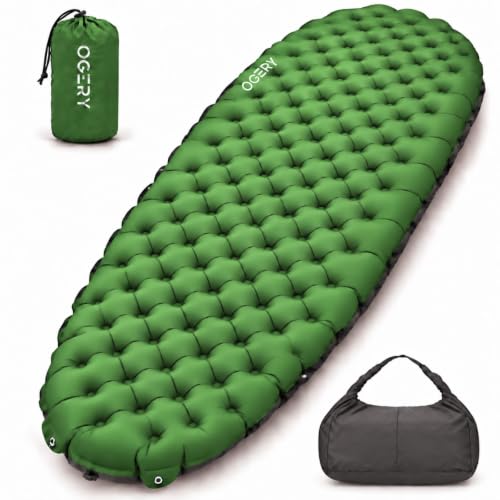
- R-value 9.0 with reflective layers
- 4.7-inch thick cushioning
- Pump bag and storage bag included
Best For: Cold-weather campers needing extra warmth and comfort
Ultralight Comfort
FUN PAC Camping Sleeping Pad with Pillow

- Built-in foot pump inflates fast
- Integrated pillow for convenience
- Connectable side buttons for twin setup
Best For: Hikers and travelers who value quick setup and easy packing
All-Season Backpacking

- Certified R-value 9 insulation
- 2.2-lb backpacking-friendly weight
- Pump sack included for quick inflation
Best For: Backpackers needing high insulation in a compact, lightweight pad
Plush Comfort Pick
OGERY 3.15" Memory Foam Sleeping Pad

- Built-in electric pump for inflation and deflation
- 3.15-inch foam-and-air design with built-in pillow
- Insulated core for camping, RV, and guest use
Best For: Comfort-first campers who want easy setup and a thicker sleep surface
Ultra-High R-Value Backpacking Pick
Hikenture 6.2 R-Value Sleeping Pad

- ASTM-tested 6.2 R-value for strong cold insulation
- Weighs 1.53 lb and packs compact for hiking
- Pump sack inflation and 3.2-inch thickness
Best For: Backpackers who need warm, lightweight all-season insulation
High-Insulation Portable Pick
Homcosan 9.0 R-Value Sleeping Pad
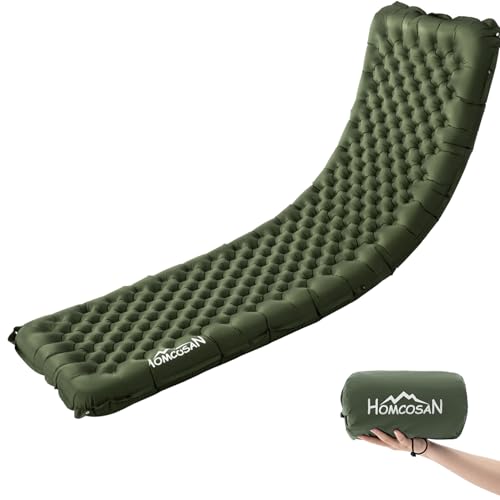
- 9.0 R-value for strong insulation in cold conditions
- 4-inch inflated thickness helps reduce bottoming out
- Compact, 2.2-lb design with pump sack and repair patch
Best For: Travelers who want strong insulation and a portable camping mat
Basecamp Comfort – Gear Doctors Oxylus 4.3
The Gear Doctors Oxylus is an insulated sleeping pad built for campers who want a self-inflating setup with solid warmth and a forgiving feel. With a 4.3 R-value, 1.5-inch thickness, and a foam air-hybrid design, it aims to balance comfort, insulation, and easy packing for backpacking, car camping, and tent use.
Best For: Campers who want a self-inflating, all-purpose insulated pad with dependable warmth.
Pros:
- 4.3 R-value offers reliable insulation for 4-season use.
- Self-inflating design speeds setup, with extra pressure tuning by breath.
- 75D micro-coated polyester shell is built for moisture, abrasion, and UV resistance.
- Includes an elastic band for easier roll-up and storage.
Cons:
- At 35.2 oz, it is not the lightest option for ultralight hikers.
- 1.5-inch thickness is supportive, but less plush than thicker pads.
If you want a practical insulated sleeping pad that is easy to use and versatile across different trip styles, the Oxylus is a strong middle-ground choice. Its main appeal is dependable warmth without complicated setup.
Cold-Weather Ultralight – FlexRest Pro Insulated Pad
The FlexRest Pro is an insulated sleeping pad aimed at hikers who want low pack weight without giving up cold-weather performance. Its ASTM R-value of 4.9, tapered mummy-style shape, and 3-inch thickness make it a practical choice for four-season backpacking and cold campsites.
Best For: Ultralight backpackers who need dependable insulation and a tapered fit.
Pros:
- ASTM R-value of 4.9 delivers dependable four-season insulation.
- Tapered mummy-style design helps reduce heat loss and pack weight.
- Vortex Valve supports quick inflation, deflation, and pressure adjustment.
- Includes a repair patch, stuff sack, and built-in valve for field use.
Cons:
- Tapered shape is less roomy than rectangular pads.
- Best suited to users who are comfortable with a narrow, mummy-style profile.
For cold nights and light packs, this pad keeps the feature set focused on warmth, portability, and durability. It is a good fit if you want a compact insulated pad that still feels performance-oriented.
Deep-Insulation Value – TREKOLOGY UL R7
The TREKOLOGY UL R7 is an insulated sleeping pad built around a high 7.2 R-value and a thick 4-inch profile. It is designed for all-season comfort, with a wide sleeping surface, lightweight packability, and TPU-coated construction for trail durability.
Best For: Campers and backpackers who want maximum insulation and a thicker sleep surface.
Pros:
- 7.2 R-value provides strong insulation against ground chill.
- 4-inch thickness helps reduce bottoming out and improve support.
- Weighs 2 lbs and packs down to about water-bottle size.
- 40D ripstop nylon with TPU coating adds tear resistance and water resistance.
Cons:
- No built-in pump, so inflation requires mouth or a separate pump bag.
- Best for sleepers up to 5’11”, according to the product details.
This is a strong option if insulation is your first priority and you want extra thickness for comfort. The UL R7 stands out as a warm, portable pad for varied conditions.
Classic Warmth – Klymit Insulated Static V
The Klymit Insulated Static V is an insulated sleeping pad focused on comfort, fast setup, and balanced warmth. Its V-Chamber design, synthetic insulation, and 4.4 R-value make it a straightforward backpacking and camping pad for people who want a proven shape with easy inflation.
Best For: Campers who want a familiar, comfortable insulated pad with quick inflation.
Pros:
- V-Chamber design helps limit air movement and supports body contouring.
- Klymalite synthetic insulation adds warmth for 4-season use.
- Inflates in about 10 to 15 breaths and deflates quickly.
- Lightweight at 24 oz with a compact packed size.
Cons:
- At 2.5 inches thick, it is thinner than some higher-loft pads.
- Not water resistant, so it may need extra care in wet conditions.
This pad is a solid choice if you want a known design with a good warmth-to-weight balance. It keeps the experience simple while still providing real insulation for outside use.
Winter Insulation – OGERY Insulated Sleeping Pad, R-Value 9.0
If you want insulated sleeping pads for cold-ground protection, this OGERY model is built around warmth and cushion. Its R-value 9.0 rating and multiple reflective layers are meant to reduce heat loss, while the 4.7-inch inflated thickness adds comfort for side or back sleeping.
Best For: Cold-weather campers who want a thick, high-R-value pad for winter trips and general outdoor use.
Pros:
- R-value 9.0 with multiple reflective layers for strong cold-ground insulation
- 4.7-inch thickness for extra cushioning and pressure relief
- Pump bag included to avoid blowing moisture into the pad
- Packs down compactly for transport between campsites
Cons:
- Heavier than ultralight-style pads at 2.5 pounds
- Best suited to those who value warmth over minimum pack weight
This is a straightforward choice if warmth and comfort matter more than shaving ounces. The rectangular shape, waterproof construction, and included storage bag make it practical for camping and overnights where cold ground is the main concern.
Ultralight Comfort – FUN PAC Camping Sleeping Pad with Pillow
Among insulated sleeping pads, this FUN PAC mat focuses on fast setup and easy carrying. The built-in foot pump, integrated pillow, and 40D nylon/TPU build make it practical for campers who want a compact pad that inflates quickly and handles rough outdoor use.
Best For: Backpackers, hikers, and travelers who want a lightweight sleeping pad with a built-in pillow and quick inflation.
Pros:
- Built-in foot pump inflates the pad in about 30-60 seconds
- Integrated pillow reduces the need to pack an extra item
- 40D nylon and TPU construction for durability and easy cleaning
- Side buttons let you connect another pad for a twin-bed setup
Cons:
- At 3 inches thick, it is thinner than some heavier comfort-focused pads
- Single size only in this version
If you want a simple camp sleep system with fewer loose parts, this pad is easy to live with. It packs small, sets up fast, and offers a mix of portability and comfort that suits movement-focused trips.
All-Season Backpacking – Elegear 4" Thick Sleeping Pad
If you need insulated sleeping pads that can handle four-season use, this Elegear pad is aimed at serious backpacking and cold-weather trips. It combines a certified R-value of 9 with a 4-inch thickness and a mummy shape designed to keep you elevated and supported on uneven ground.
Best For: Backpackers and four-season campers who want a lightweight, highly insulated pad with compact pack size.
Pros:
- Certified R-value 9 for strong insulation against ground chill
- Weighs 2.2 lbs and packs compactly for backpacking
- Pump sack included for inflation in 4-6 pumps
- 20D tear-resistant nylon with reinforced TPU for durability and waterproofing
Cons:
- Mummy shape may feel less roomy than rectangular pads
- No built-in pump, so inflation relies on the included pump sack
This is the most travel-focused option here if you want serious insulation without giving up packability. The combination of low weight, high R-value, and rugged materials makes it a strong pick for varied terrain and temperature swings.
Plush Comfort Pick – OGERY 3.15" Memory Foam Sleeping Pad
If you want insulated sleeping pads that feel more like a real mattress than a basic camp mat, this OGERY model is built around comfort and convenience. The 3.15-inch foam-and-air construction, built-in pillow, and electric pump make it a practical choice for car camping, RV trips, tents, and overnight guest use.
Best For: Campers who prioritize cushioned comfort, easy powered setup, and quieter sleep over ultralight packing.
Pros:
- Built-in electric pump supports powered inflation and deflation.
- Memory foam and adjustable air pressure let you tune firmness.
- 3.15-inch thickness plus integrated pillow adds extra comfort.
- Insulated foam core helps separate you from cold or damp ground.
Cons:
- At 2.4 pounds, it is not aimed at ultralight backpacking.
- Best suited to comfort-focused camping rather than minimalist trips.
Overall, this is a strong pick if you want a quieter, thicker insulated sleeping pad with easier setup and storage. It leans hard toward plush comfort and home-like sleep, which makes it especially appealing for short trips and car-based camping.
Ultra-High R-Value Backpacking Pick – Hikenture 6.2 R-Value Sleeping Pad
Among insulated sleeping pads, this Hikenture model stands out for warmth-to-weight efficiency. Its ASTM-tested 6.2 R-value, 3.2-inch thickness, and compact pack size make it a serious option for backpacking and all-season camping when cold ground insulation matters most.
Best For: Backpackers and hikers who want a lightweight pad with strong cold-weather insulation.
Pros:
- ASTM 6.2 R-value and aluminum film construction boost insulation.
- Weighs only 1.53 lb, keeping pack weight low.
- 3.2-inch thickness and airbag structure help avoid bottoming out.
- Storage bag doubles as a pump sack for quick inflation.
Cons:
- Thin ultralight design is less plush than foam-style camping pads.
- Focuses on backpacking performance rather than home-style comfort.
For travelers who care most about warmth, portability, and a fast setup, this pad is a well-rounded choice. It delivers a high insulation rating without a heavy carry penalty, which is exactly what many four-season hikers are looking for.
High-Insulation Portable Pick – Homcosan 9.0 R-Value Sleeping Pad
If you are comparing insulated sleeping pads for colder conditions, the Homcosan model is built to prioritize warmth and support. With a 9.0 R-value, 4-inch inflated thickness, and layered construction, it is designed to help block ground chill while still packing down small enough for travel.
Best For: Campers and hikers who want maximum insulation in a compact, portable air mattress.
Pros:
- High 9.0 R-value is designed for excellent all-season insulation.
- 4-inch thickness helps prevent bottoming out.
- 40D ripstop nylon with TPU coating adds tear and water resistance.
- Includes carry bag, inflatable bag, storage straps, and repair patch.
Cons:
- Supports up to 330 lbs, which is lower than some heavier-duty pads.
- At 2.2 lbs, it is portable but not the lightest backpacking option.
This is a strong pick if warmth is the top priority and you still want a packable pad for camping or travel. The high R-value and thicker build make it appealing for users who want extra separation from cold ground without moving to a bulky mattress.
How We Picked the Best Insulated Sleeping Pads
We focused on insulation value, comfort thickness, weight, packed size, inflation method, and overall versatility. For Insulated Sleeping Pads, the most important number is usually R-value: higher numbers generally mean better cold-weather performance.
We also looked for practical features like built-in pumps, self-inflating designs, durability, and whether a pad makes sense for backpacking, car camping, or winter use.
Quick Comparison
Higher-R-value pads are better for colder nights and frozen ground, while lighter, lower-profile options are usually easier to carry on longer hikes. Thicker pads can feel more mattress-like, but they may add bulk and weight. If you camp in multiple seasons, a mid-to-high R-value pad is often the best all-around choice.
Key Buying Factors for Insulated Sleeping Pads
R-Value
Choose a higher R-value if you camp in cold shoulder seasons or winter. For mild summer trips, you may not need the highest rating, but extra insulation can still improve comfort on chilly ground.
Thickness and Comfort
More thickness usually means better pressure relief for side sleepers. If you move around a lot at night, a wider or more supportive pad can reduce bottoming out and improve sleep quality.
Weight and Packed Size
Backpackers should pay close attention to packed dimensions and total weight. Car campers can usually prioritize comfort and warmth over portability.
Inflation Style
Self-inflating pads are convenient and often feel more stable, while air pads can pack smaller and inflate faster with a pump sack or built-in pump. Foam-based options tend to be dependable and straightforward.
Durability and Setup
Look for materials and valve designs that match your use. If you camp often, easy setup and puncture resistance can matter just as much as insulation.
Who Should Buy Which Insulated Sleeping Pads?
Choose the warmest Insulated Sleeping Pads if you camp in freezing temperatures or on snow-covered ground. If you backpack, prioritize a lighter pad with a good warmth-to-weight balance. For car camping, a thicker, more cushioned pad may be the best comfort upgrade. If you want simple setup, self-inflating or built-in pump designs are worth a closer look.
In short, the best pad is the one that fits your season, sleep style, and carry weight without forcing you to compromise on warmth.