Carbon monoxide is invisible, odorless, and dangerous—especially when you’re camping with heaters, stoves, generators, or an RV. A reliable detector adds an important layer of protection on every trip.
Below, you’ll find our top picks for 2026, chosen for portability, alarm clarity, power options, and ease of use in real camping setups.
Best 10 Camping Carbon Monoxide Detector Picks for 2026
Portable Precision CO Meter
TOPTES CT-580 for Camping & Travel

- Fast 0.3-second response with 0-1000 PPM range
- Audible, visual, and vibration alarms
- Rechargeable USB-C design with TFT display
Best For: Campers and travelers needing a portable, rechargeable CO detector
Plug-In Home Alarm
First Alert CO600 for Standard Outlets

- Simple plug-in setup for standard outlets
- 85-decibel audible alarm with electrochemical sensor
- 7-year limited warranty and end-of-life chirp
Best For: Users wanting a basic plug-in CO alarm for fixed indoor use
3-in-1 Portable Monitor
Zunate CO Detector with Temp & Humidity

- Tracks CO, temperature, and humidity
- Rechargeable 800mAh battery with Type-C charging
- Portable design for camping, RVs, and travel
Best For: Campers and RV users wanting CO plus environment monitoring
Backup-Powered Plug-In Alarm
First Alert CO606 with Battery Backup
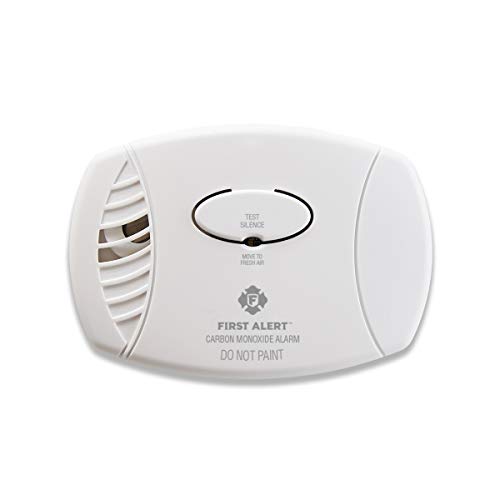
- Plugs into an outlet with battery backup
- 85-decibel alarm and test/silence button
- Electrochemical sensor with end-of-life chirp
Best For: Home users needing a plug-in alarm that still works during outages
Portable Backup CO Monitor
Kidde Battery-Powered 3rd Edition
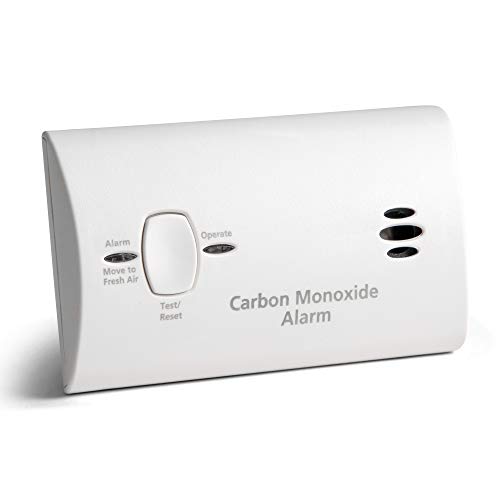
- Runs on included 2 AA batteries
- Portable for tabletop or wall use
- 85 dB alarm with LED indicators
Best For: Campers and travelers needing a simple battery-powered CO alarm
Portable Test-and-Reset Alarm
Kidde Battery CO Detector with Memory
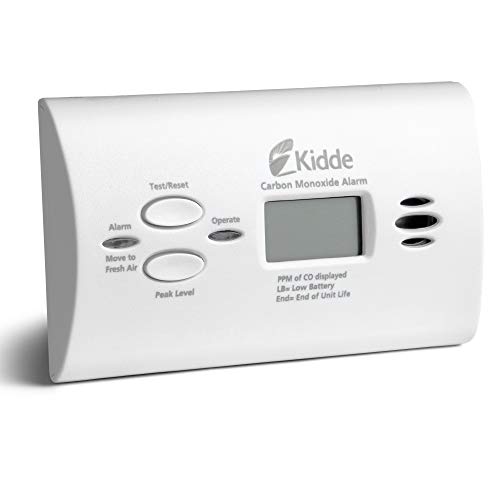
- Includes Test-Hush button
- Peak Level Memory records past detection
- Portable battery-powered design
Best For: Travelers who want a portable CO alarm with easy testing and memory
Plug-In Travel Alarm
Kidde CO Detector with AA Backup

- Plug-in power with AA battery backup
- Rotating plug for vertical or horizontal outlets
- Compact design works at home or on trips
Best For: Campers and households wanting AC power with backup batteries
Portable Plug-In CO Alarm
SITERWELL Plug in Carbon Monoxide Detector

- Plugs into a 120V outlet for quick setup
- 10-year backup battery for outages
- Compact enough for travel and RV use
Best For: Campers and RV travelers who have access to power
Travel-Ready Battery CO Detector
Kidde COBD Portable CO Detector

- Runs on two included AA batteries
- Backlit digital display for status checks
- Compact and lightweight for travel
Best For: Travelers who want a portable battery-powered detector with a display
Simple Portable CO Alarm
Kidde COB Portable CO Detector

- Battery-powered with two included AA batteries
- LED light plus 85 dB audible alarm
- Compact design for home or travel
Best For: Travelers who want a simple, lightweight CO alarm
Portable Precision CO Meter – TOPTES CT-580 for Camping & Travel
If you want a camping carbon monoxide detector that can do more than just sound an alarm, the TOPTES CT-580 is built for quick, hands-on checks. Its rechargeable design, fast response time, and visual, audible, and vibration alerts make it a practical choice for tents, RVs, cabins, and travel use.
Best For: Campers and travelers who want a portable, rechargeable CO detector with multiple alert modes and a readable display.
Pros:
- Detects CO from 0 to 1000 PPM with a fast 0.3-second response.
- Three alert modes: indicator light, audible alarm, and vibration.
- Rechargeable via USB-C and includes a flashlight for convenience.
- TFT color display with adjustable brightness and auto screen-off.
Cons:
- It is a handheld inspection tool, not a plug-in home alarm.
- Advanced functions like calibration and alarm history may be more than casual users need.
The CT-580 makes sense when portability and fast checking matter most. For camping carbon monoxide detector shoppers who want a flexible tool with clear alerts and a durable build, it offers strong utility without losing ease of use.
Plug-In Home Alarm – First Alert CO600 for Standard Outlets
First Alert Carbon Monoxide Detector, Plug-In Alarm with Test & Silence Button, CO600, White, 1-Pack
Check Price On AmazonThe First Alert CO600 is a straightforward option if you want a dependable carbon monoxide alarm for a room with standard power. It plugs into an outlet, uses an electrochemical sensor, and sounds an 85-decibel alert when dangerous CO levels are detected.
Best For: Homeowners who want an easy plug-in CO alarm for bedrooms, hallways, or shared spaces.
Pros:
- Plugs into any standard outlet for simple installation.
- Electrochemical sensor is designed for accurate CO detection.
- 85-decibel alarm provides a loud warning.
- Includes end-of-life signal chirp and a 7-year limited warranty.
Cons:
- No battery backup, so it depends on outlet power.
- No display or extra monitoring features.
This model is best when you want a basic, proven alarm without extra complexity. It is less suited to portable use, but as a fixed carbon monoxide detector it covers the essentials well.
3-in-1 Portable Monitor – Zunate CO Detector with Temp & Humidity
For buyers comparing a camping carbon monoxide detector with extra environmental readouts, the Zunate portable monitor adds temperature and humidity tracking alongside CO detection. It uses an electrochemical sensor, shows readings on a compact display, and is designed for indoor or outdoor use.
Best For: Campers, RV users, and outdoor travelers who want CO detection plus temperature and humidity monitoring in one portable unit.
Pros:
- 3-in-1 monitoring for CO, temperature, and humidity.
- Electrochemical sensor with 0 to 1000 ppm range and 1-second response.
- Rechargeable 800mAh battery with Type-C charging.
- Portable enough for camping, cars, hotels, and home use.
Cons:
- The 0.96-inch screen is compact, so data may feel limited at a glance.
- It is more of a monitoring tool than a dedicated alarm-style home unit.
This is a practical pick if you want one compact device to track air conditions during trips. It fits well for users who value portability and extra environmental data alongside carbon monoxide detection.
Backup-Powered Plug-In Alarm – First Alert CO606 with Battery Backup
First Alert Carbon Monoxide Detector, Plug-In Alarm with Battery Backup, CO606, White, 1-Pack
Check Price On AmazonThe First Alert CO606 is a solid choice if you want a plug-in carbon monoxide detector with added protection during outages. It uses an electrochemical sensor, includes battery backup for continuous monitoring, and sounds an 85-decibel alarm when CO rises to dangerous levels.
Best For: Home users who want a plug-in CO alarm with battery backup for added peace of mind.
Pros:
- Works with a standard outlet and includes battery backup.
- Electrochemical sensor for accurate CO detection.
- 85-decibel alarm plus a single test/silence button.
- End-of-life chirp and UL-tested design.
Cons:
- Not a portable detector for camping or travel.
- No display or advanced monitoring features.
For buyers who want an installed alarm that keeps working during a power failure, this model is the most reassuring of the plug-in options here. It focuses on dependable detection and backup power rather than extra features.
Portable Backup CO Monitor – Kidde Battery-Powered 3rd Edition
If you want a camping carbon monoxide detector that’s simple to pack and easy to place, this Kidde battery-powered unit is a practical pick. It runs on included AA batteries, so it can keep monitoring even during a power failure, and the compact body works on a tabletop or wall.
Best For: Campers and travelers who want a lightweight, battery-only CO alarm for flexible placement.
Pros:
- Runs on 2 AA batteries, with no wiring needed
- Portable design can sit on a tabletop or mount on a wall
- 85 dB alarm plus red and green LED status indicators
- Event Memory records the last CO event or test
Cons:
- No plug-in option if you prefer AC power
- Lacks the low-battery indicator and test-reset features found on some alternatives
This is a straightforward portable alarm for basic CO monitoring on the road or at a campsite. Its battery-only design and compact size make it easy to bring along, while the status LEDs and event memory add useful day-to-day reassurance.
Portable Test-and-Reset Alarm – Kidde Battery CO Detector with Memory
This camping carbon monoxide detector is built for portability and easy daily use. It runs on included AA batteries, uses an electrochemical sensor, and can be placed on a table or mounted to a wall, making it a flexible option for trips, cabins, or home backup.
Best For: Buyers who want a portable battery CO alarm with test, hush, and memory features.
Pros:
- Battery powered with included 2 AA batteries
- Test-Hush button helps with testing and temporary silencing
- Peak Level Memory records the last CO detection or test
- 85 dB alarm with red and green LEDs for status
Cons:
- Does not include a plug-in power option
- Alarm is battery-based, so battery upkeep still matters
For a travel-ready alarm with a little more convenience, this Kidde model adds test and hush controls plus peak memory. It’s a strong fit if you want a portable detector that’s easy to check and easy to move from room to room or trip to trip.
Plug-In Travel Alarm – Kidde CO Detector with AA Backup
If you want a camping carbon monoxide detector that can also stay in a bedroom, RV, or rental, this plug-in Kidde model offers a flexible middle ground. It runs on 120V AC power with AA battery backup, has a rotating plug for different outlet orientations, and is still compact enough to travel with when needed.
Best For: Campers, renters, and homeowners who want plug-in convenience plus battery backup.
Pros:
- Plug-in power with 2 AA battery backup for outages
- Rotating plug fits vertical or horizontal outlets
- 85 dB alarm with audible and visual alerts
- Compact, lightweight design for home or travel use
Cons:
- Needs an outlet for primary operation
- Less universal for tent-style camping than battery-only units
This model makes the most sense if your campsite setup includes AC power or you also want a detector for everyday household use. The rotating plug, battery backup, and travel-ready size give it a broader range than a battery-only alarm.
Portable Plug-In CO Alarm – SITERWELL Plug in Carbon Monoxide Detector
If you want a camping carbon monoxide detector that is easy to pack and simple to use, this SITERWELL model is built for portability. It plugs into a 120V outlet, includes a 10-year backup battery, and uses an electrochemical sensor with an 85 dB audible warning to help monitor CO in places like RVs, hotels, and campsites with power.
Best For: Campers, RV travelers, and anyone who wants a compact plug-in alarm for trips and temporary stays.
Pros:
- Compact size makes it easy to carry in a suitcase, backpack, or handbag.
- Plug-in design is simple to set up in a 120V outlet.
- 10-year battery backup helps keep the alarm operational during outages.
- Electrochemical sensor and 85 dB alarm support reliable CO detection and warning.
Cons:
- Requires access to a standard 120V outlet to use as intended.
- Less flexible than fully battery-powered options for off-grid camping.
This is a practical pick if your trip includes powered accommodations and you want an easy-to-pack alarm with both plug-in convenience and backup battery support. It is especially useful for travel situations where quick setup matters.
Travel-Ready Battery CO Detector – Kidde COBD Portable CO Detector
This camping carbon monoxide detector is designed for people who want a portable, battery-powered alarm they can take from home to hotels or vacation rentals. The Kidde COBD uses two included AA batteries, has a backlit digital display, and sounds an 85 dB alarm when CO is detected.
Best For: Travelers and campers who want a lightweight detector with a digital display and easy battery operation.
Pros:
- Battery-powered with two included AA batteries, so it works during outages.
- Backlit digital display makes status easier to read.
- Compact, lightweight design is convenient for travel.
- UL 2034 5th Edition tested and ETL Listed.
Cons:
- Uses a basic alarm-and-display layout rather than advanced extras.
- Designed for residential awareness, not specialized outdoor use.
For a straightforward portable alarm, this Kidde model covers the essentials well. It’s a sensible choice if you want a trusted, easy-to-carry detector that can move between home and trip use without wiring.
Simple Portable CO Alarm – Kidde COB Portable CO Detector
If you need a camping carbon monoxide detector that keeps things simple, the Kidde COB is a compact battery-powered option for home or travel. It uses two AA batteries, includes LED status light indicators, and sounds an 85 dB alarm to alert you to carbon monoxide hazards.
Best For: Campers, renters, and travelers who want a basic, portable CO alarm without a digital display.
Pros:
- Compact and lightweight for packing in travel gear.
- Battery-powered with two included AA batteries for use during outages.
- LED warning light and 85 dB alarm provide clear alerts.
- UL 2034 5th Edition tested and ETL Listed.
Cons:
- Lacks the backlit digital display found on some other models.
- No advanced features beyond basic detection and warning functions.
This model makes sense if you value portability and a simple interface over extra display features. It’s a practical, no-frills option for keeping a CO alarm on hand for trips and temporary stays.
How We Picked the Best Camping Carbon Monoxide Detector
For this roundup, we focused on camping-friendly detectors that balance safety, portability, and convenience. That means clear CO alerts, dependable sensor technology, easy mounting or placement, and power options that fit travel use. We also favored models with useful extras such as digital displays, vibration alerts, LED indicators, and backup power for longer trips.
Quick Comparison
The best Camping Carbon Monoxide Detector for you depends on how you travel. Portable rechargeable models are better for tents, cabins, and shared gear where outlet access is limited. Plug-in detectors are a stronger fit for RVs, vans, and cabins with steady AC power. Battery-powered units are the most flexible for travel and emergency kits, especially if you want a simple grab-and-go option.
Key Buying Factors for a Camping Carbon Monoxide Detector
Power Source
Choose rechargeable, battery-powered, or plug-in based on your setup. For off-grid camping, battery or rechargeable units usually make the most sense. For RV camping, a plug-in detector with battery backup can offer added convenience and peace of mind.
Alarm Type and Visibility
Loud audible alarms are essential, but visual indicators matter too, especially in noisy campgrounds or while sleeping. Vibration alerts and bright displays can be especially helpful in portable models.
Portability and Placement
A good Camping Carbon Monoxide Detector should be easy to pack and quick to position near sleeping or living areas. Look for compact designs, stable stands, or simple wall and plug-in placement depending on where you camp.
Display and Monitoring Features
Digital readouts can show real-time CO levels, which is useful for tracking changes before an alarm sounds. Some units also display temperature and humidity, which can be a bonus for comfort and campsite planning, though not a replacement for safety-focused features.
Sensor and Backup Protection
Electrochemical sensors are common in reliable CO alarms. If possible, choose a detector with battery backup or low-battery alerts so it remains useful during outages or remote travel.
Who Should Buy Which Camping Carbon Monoxide Detector?
If you camp off-grid or move between tents, cabins, and vehicles, a rechargeable or AA battery-powered detector is usually the most versatile choice. If you live in an RV or want a more permanent setup, a plug-in detector with backup power may be the better fit. Travelers who want extra data and portability may prefer a compact digital model, while those who want simple, dependable protection should prioritize clear alarms and easy operation over extra features.
No matter your setup, the best Camping Carbon Monoxide Detector is the one you’ll actually bring, place correctly, and keep powered for every trip.