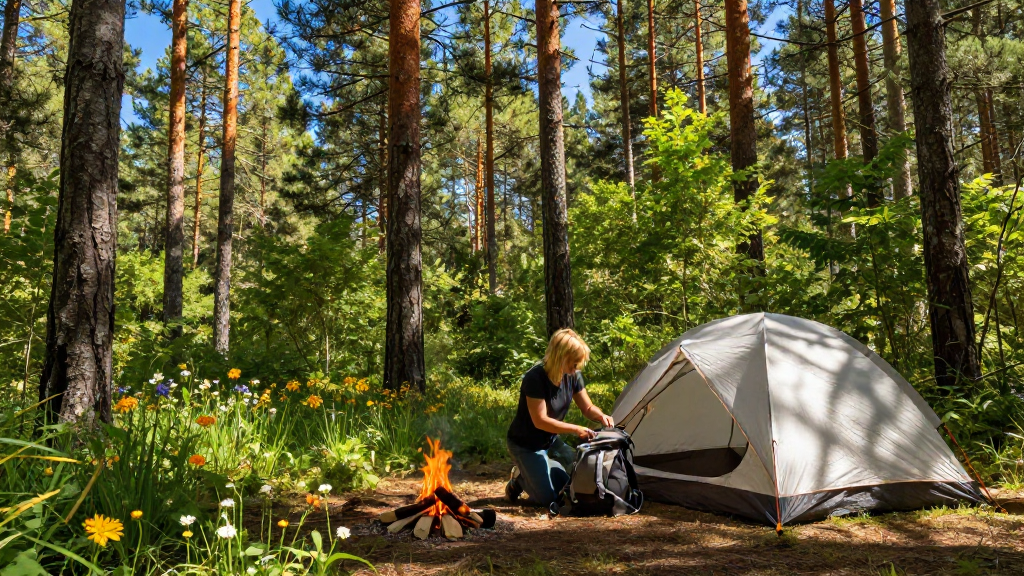
If you’re considering camping in national forests, this guide will help you make the most of your outdoor adventure.
What Are National Forests?
National forests are protected lands managed by the U.S. Forest Service.
These vast stretches of wilderness offer a wealth of opportunities for outdoor recreation.
Whether you’re interested in hiking, fishing, or simply enjoying the great outdoors, national forests are the perfect backdrop.
They are typically less crowded than national parks, giving you the chance to find a more secluded experience.
Why Choose Camping in National Forests?
Camping in national forests has its unique advantages:
- Diverse Landscapes: From towering mountains to serene lakes, national forests boast diverse terrains.
- Wildlife Viewing: Encounter a variety of animals in their natural habitat.
- Lower Fees: Often, camping in national forests is less expensive compared to commercial campgrounds.
- Minimal Restrictions: Many areas allow for dispersed camping, meaning you can set up camp away from designated sites.
What Do You Need to Know Before You Go?
Before embarking on your adventure of camping in national forests, consider the following tips:
1. Check Local Regulations
Each national forest has its own set of rules and regulations.
It’s essential to:
- Understand camping permits: some forests require permits for specific activities or sites.
- Familiarize yourself with fire regulations: during dry seasons, campfires might be prohibited.
2. Plan Your Route
Planning your route is crucial for a successful trip.
Use maps, GPS, and apps to familiarize yourself with the area.
- Look for trailheads: Identify starting points for hikes.
- Evaluate roads: Ensure that the roads leading to your campsite are accessible.
3. Pick the Right Campsite
Choosing the right campsite can make a world of difference. Here are some tips:
- Look for flat ground: This will help ensure a comfortable sleeping experience.
- Stay away from water sources: Set up camp at least 200 feet away from lakes or rivers to protect wildlife.
- Check for dead trees: Avoid camping near trees that could fall during storms.
What Gear Do You Need for Camping in National Forests?
Packing the right gear is essential for camping in national forests. Here’s a checklist of items to consider:
Shelter and Sleeping
- Tent: Choose a sturdy, weather-resistant tent.
- Sleeping bag: Look for one suitable for the temperatures you’re expecting.
- Sleeping pad: This will provide insulation and comfort from the ground.
Cooking Equipment
- Portable stove or grill: A compact and lightweight option is ideal.
- Utensils and pot: Don’t forget plates, cups, and cooking tools.
- Food: Choose lightweight, non-perishable items that are easy to prepare.
Clothing
Prepare for changing weather conditions by packing:
- Layered clothing: This allows you to adapt to the temperature quickly.
- Waterproof jacket: Essential for wet weather.
- Sturdy hiking boots: Make sure they are broken in before your trip.
Safety Items
- First aid kit: Have a stocked kit for minor injuries.
- Map and compass: Technology can fail, so have traditional navigation tools at hand.
- Multi-tool or knife: Useful for various tasks around camp.
How to Leave No Trace While Camping in National Forests?
Practicing Leave No Trace principles is essential for preserving the beauty of national forests. Here are key practices to follow:
- Camp on durable surfaces: Stay on established trails and campsites.
- Pack out what you pack in: Dispose of all trash and leftover food properly.
- Respect wildlife: Observe animals from a distance and do not feed them.
- Control campfires: Use established fire rings and ensure the fire is completely extinguished before leaving.
What Activities Can You Enjoy While Camping in National Forests?
Aside from tent camping, the national forests offer numerous activities to enjoy during your stay:
1. Hiking
With trails ranging in difficulty, hiking is one of the most popular activities.
From short walks to multi-day backcountry treks, there’s something for everyone.
2. Fishing
National forests often contain lakes and rivers teeming with fish.
Be sure to check local fishing regulations and acquire necessary permits.
3. Wildlife Watching
Bring binoculars for an unforgettable experience observing:
- Birds
- Deer
- Bears (from a safe distance!)
4. Stargazing
With minimal light pollution, national forests are ideal for stargazing.
Spend an evening admiring constellations and the Milky Way.
How to Prepare for Emergencies While Camping?
No one wants to face emergencies, but it’s crucial to be ready. Here are some steps to consider:
- Have a communication plan: Let someone know your itinerary.
- Carry a fully charged portable power bank: This will keep your devices charged.
- Know the locations of nearby hospitals or ranger stations: Familiarization can save valuable time in emergencies.
How to Clean Up After Camping in National Forests?
Cleaning up after camping in national forests is not just respectful, it’s necessary for preservation. Follow these steps:
- Pack up all trash: Ensure nothing is left behind.
- Clean any cooking utensils: Bury leftover food waste in a hole at least 6-8 inches deep, or pack it out.
- Camouflage your campsite: Leave the area as you found it, ensuring there are no signs of your stay.
Conclusion
Camping in national forests is a rewarding experience that connects you with nature and the great outdoors.
By understanding regulations, choosing the right gear, and being mindful of your impact, you can ensure a safe and enjoyable adventure.
Make the most of your time in these beautiful lands by following this guide and embracing the spirit of exploration and conservation.
Happy camping!