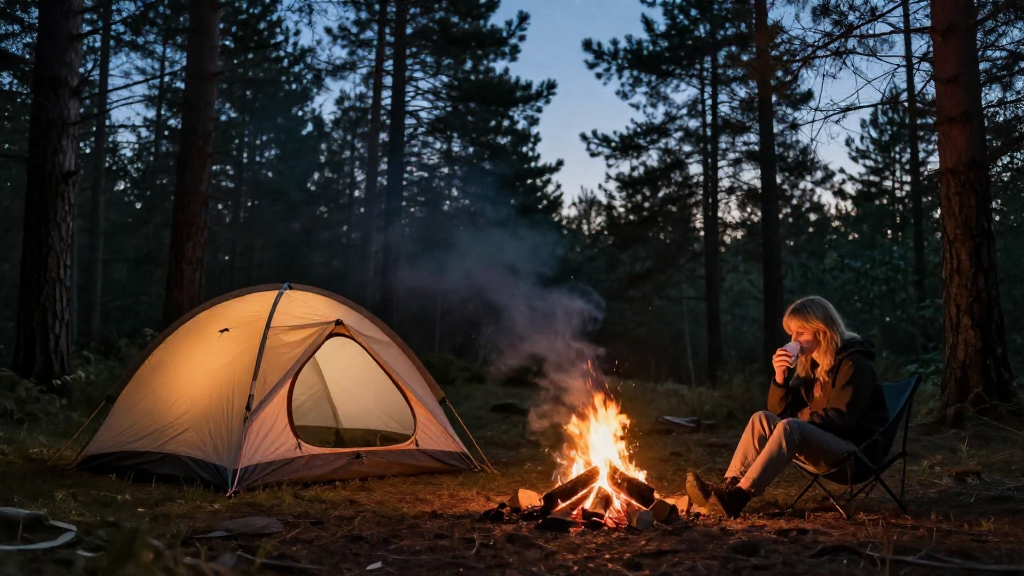
Camping with asthma can be a rewarding experience, but it requires careful planning and preparation.
When done right, you can enjoy the great outdoors without compromising your health.
In this article, we will explore strategies for camping with asthma safely, including tips for preparation, choosing the right campsite, and managing asthma symptoms.
What Should You Do Before You Go Camping?
Preparation is key when camping with asthma.
Before you head out, consider the following steps:
-
Consult Your Doctor:
– Schedule a visit to discuss your plans.
– Ensure your asthma is well-controlled and discuss any medications you may need. -
Get Your Medication Ready:
– Always carry a rescue inhaler (like albuterol) and ensure it’s fully charged.
– Bring various medications, including daily inhalers and oral medications, if prescribed. -
Create an Asthma Action Plan:
– Outline the actions to take in case of an asthma attack.
– Share this document with camping companions. -
Research Camp Locations:
– Look for campsites with access to medical facilities nearby.
– Check the air quality and pollen count for the area you’re considering. -
Know Your Triggers:
– Familiarize yourself with your asthma triggers.
– Avoid areas where allergens are high, like dense forests or areas with smoke.
How Can You Choose the Right Campsite?
Choosing the right site is crucial for camping with asthma safely.
Take these factors into account when making your decision:
-
Air Quality:
– Opt for campsites at higher elevations where air quality is generally better.
– Avoid areas near factories, landfills, or heavy traffic. -
Pollen Season Awareness:
– Beware of camping during peak pollen seasons if you’re allergic to pollen.
– Check local pollen forecasts before you go. -
Smoke-Free Zones:
– Avoid fire pits and areas where campfires are popular, as smoke can irritate your lungs.
– Consider propane stoves instead of wood fires. -
Hydration Proximity:
– Choose a campsite with access to fresh water, ensuring you can stay hydrated. -
Accessibility:
– Make sure the site is easy to access in case of an emergency.
– Consider how far you are from the local hospital or clinic.
What Packing Essentials Will You Need?
Packing the right items is vital when considering camping with asthma.
Here’s a checklist to ensure you have everything you need:
-
Medical Supplies:
– Inhaler and extra medication.
– A pulse oximeter to monitor oxygen levels. -
Camping Gear:
– A breathable tent with good ventilation to help minimize allergens.
– Lightweight, waterproof clothing and gear in case of rain. -
Comfort Items:
– Sleeping bags rated for your environment.
– Lightweight, cozy blankets if temperatures drop during the night. -
Personal Care Products:
– Non-allergenic sunscreen to protect your skin.
– Bug spray without strong fragrances that can trigger asthma. -
Food and Water:
– Bring easy-to-digest snacks and sufficient hydration options.
– Make sure the food you bring doesn’t have common allergens you may react to.
How Can You Manage Your Asthma While Camping?
Once you are camping, maintaining control over your asthma is crucial. Here are ways to manage symptoms while camping with asthma:
-
Check the Weather:
– Monitor weather changes, as high humidity can worsen asthma symptoms.
– Stay informed about sudden weather changes that may put you at risk. -
Stay Hydrated:
– Drink plenty of water to keep your airways moist.
– Avoid caffeine and alcohol, as they can lead to dehydration. -
Follow Your Action Plan:
– Use your asthma action plan regularly to monitor symptoms.
– Know what to do if you experience a sudden asthma flare-up. -
Avoid Physical Exertion:
– Try not to overexert yourself, especially in extreme temperatures.
– Take regular breaks and listen to your body. -
Practicing Breathing Techniques:
– Engage in relaxation and controlled breathing techniques to reduce anxiety.
– This is especially useful if you start feeling overwhelmed or anxious, as stress can exacerbate asthma symptoms.
What Should You Do in Case of an Asthma Attack?
Being prepared is essential when camping with asthma.
Follow these steps if you or someone else experiences an asthma attack:
-
Stay Calm:
– Encourage deep, slow breaths.
– Make sure others around know how to help. -
Use Your Inhaler:
– Take your rescue inhaler promptly.
– Wait for a few minutes to see if symptoms ease. -
Move to a Safe Area:
– If possible, relocate to a place with better air quality.
– Avoid anything that may be causing your symptoms like smoke or strong odors. -
Seek Medical Attention:
– If symptoms do not improve, seek help immediately.
– Go to the nearest medical facility if the situation becomes severe. -
Have a Backup Plan:
– Know the location of the nearest hospital or clinic.
– Always carry emergency contact information with you.
How to Enjoy Camping with Asthma?
Even with asthma, you can enjoy a fulfilling camping experience.
Here are some tips to maximize your fun while camping with asthma:
-
Engage in Light Activities:
– Go for nature walks or explore nearby areas at a comfortable pace.
– Engage in light activities instead of strenuous ones. -
Enjoy the Scenery:
– Take moments to relax and appreciate nature.
– Create a campfire (if safe) and enjoy stories or star-gazing away from smoke. -
Plan Group Activities:
– Participate in group games or arts and crafts that don’t require physical exertion.
– Shared experiences can create lasting memories without putting your health at risk. -
Communicate with Your Group:
– Inform your companions about your asthma and the precautions you are taking.
– This will help them support you and look out for your well-being.
In conclusion, camping with asthma can be an enjoyable experience as long as proper precautions are taken.
By preparing diligently, choosing the right campsite, managing your symptoms effectively, and communicating with your camping companions, you can have a fulfilling outdoor adventure while keeping your asthma in check.
Plan well, stay safe, and make the most of your time in nature!