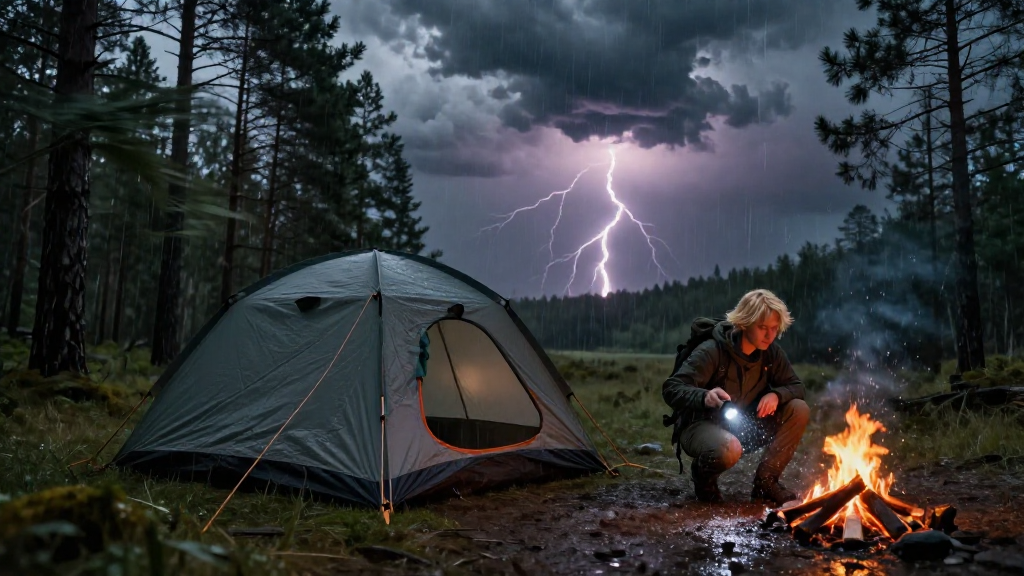
Camping during a thunderstorm can be both a thrilling and potentially dangerous experience.
With the right knowledge and preparation, you can stay safe and enjoy your outdoor adventure.
In this article, we will explore essential tips and strategies for safely camping during a thunderstorm.
Why is Thunderstorm Safety Important?
Camping during a thunderstorm poses numerous risks, including lightning strikes, flooding, and strong winds.
Understanding these dangers and having a plan can significantly enhance your safety.
What To Do Before You Go Camping?
Preparation is key to staying safe when camping during a thunderstorm.
Here are essential tips to consider before you set off:
-
Check the Weather Forecast:
Keep an eye on the forecast for thunderstorms.
Use reliable apps or websites for real-time updates. -
Choose the Right Campsite:
Avoid setting up camp in low-lying areas that are prone to flooding.
Look for higher ground, away from large trees that could fall due to strong winds. -
Invest in Quality Gear:
Ensure your tent is durable and waterproof.
Look for tents designed to withstand heavy rain and high winds.
Consider a portable weather radio for updates while camping. -
Plan Your Escape Route:
Familiarize yourself with paths leading to safety.
Know where you can find shelter in case of a storm. -
Pack Lightning Safety Gear:
Consider bringing items like a whistle or emergency whistle and a first aid kit.
A flashlight or headlamp can also be useful during power outages.
What Should You Do During the Thunderstorm?
If you find yourself camping during a thunderstorm, follow these guidelines to stay safe:
-
Seek Shelter Immediately:
If it’s safe to do so, head to your vehicle or any nearby buildings.
A metal vehicle provides protection from lightning. -
Avoid Lightning Risks:
Stay away from tall objects, metal structures, and water.
Avoid open fields or areas where you could become the tallest object. -
Stay in Your Tent:
If you cannot reach another shelter, stay inside your tent and stay low.
Avoid touching metal components and equipment within the tent. -
Monitor the Situation:
Use your weather radio or smartphone for updates on the storm’s progress.
Stay alert for any changes, including worsening conditions. -
Be Prepare for Flash Floods:
If heavy rain starts, watch out for signs of flash flooding.
It may take only a few minutes for water levels to rise.
How to Secure Your Campsite?
Securing your campsite can minimize risks associated with camping during a thunderstorm.
Here are tips to keep your area safe:
-
Use Tree Branches Wisely:
Ensure you are not camping directly under dead branches, known as “widowmakers.”
These can fall during high winds. -
Tether Down Your Tent:
Use guylines to secure your tent, preventing it from being blown away in strong winds.
Make sure stakes are deep enough to hold the tent in place. -
Store Items Wisely:
Store gear, food, and valuables in waterproof containers or bags.
Keep items elevated to prevent water damage. -
Create Drainage:
If possible, dig small trenches around your tent to direct water away.
This helps reduce pooling around your tent.
What are the Best Practices for After the Storm?
Once the storm has passed, it’s important to assess your situation before resuming activities.
Here are best practices to follow:
-
Assess Your Surroundings:
Check for any fallen branches or debris around your campsite.
Be cautious, as conditions may still be unsafe. -
Avoid Flooded Areas:
Stay clear of low-lying areas where water may have pooled.
Watch for rising water levels in rivers or streams. -
Stay Informed:
Continue to monitor weather updates for potential follow-up storms.
Be prepared to move if necessary. -
Check Your Gear:
Inspect your tent and gear for any damage.
Look for leaks, broken poles, or water damage. -
Document Your Experience:
Keeping a journal of your camping experience can help you improve your skills for future trips.
Note what went well and what you would change if camping during a thunderstorm again.
Should You Leave if Severe Weather Approaches?
Deciding whether to stay or leave can be challenging.
As a general rule, if you receive a severe weather alert, it’s best to err on the side of caution.
-
Trust Your Instincts:
If you feel unsafe, don’t hesitate to gather your belongings and head to your vehicle.
Making an early decision can save you from potential hazards. -
Communicate Your Plan:
If you’re camping with a group, let everyone know your concerns and planned actions.
Maintain clear communication to ensure everyone’s safety. -
Know Your Limits:
Assess your ability to handle challenging conditions.
If you feel uncomfortable, prioritize safety over staying for the experience.
Conclusion: How to Prepare for Camping During a Thunderstorm
Camping during a thunderstorm may present challenges, but it can also be navigated safely with proper preparation and knowledge.
By researching the weather, selecting the right campsite, and knowing your safety protocols, you can minimize risks.
Remember to remain calm during the storm, prioritize safety, and always be prepared for unexpected weather changes.
By following these tips, you can transform a potentially dangerous situation into a manageable adventure.
So pack your gear, stay informed, and make the most of your camping experience, even during thunderstorms!