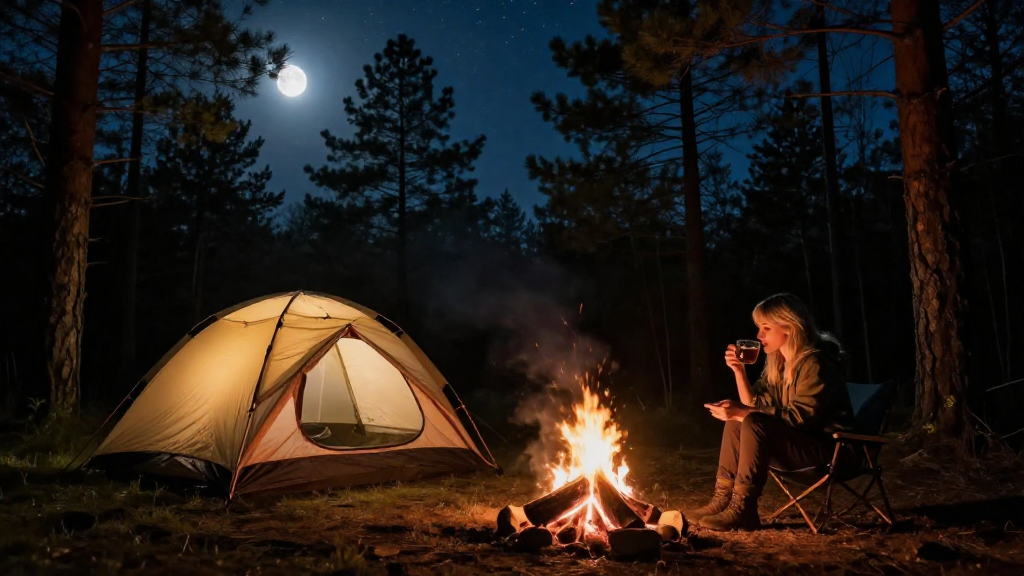
Camping with insomnia can be a challenging experience.
The joys of the great outdoors can sometimes be overshadowed by sleepless nights and restless days.
However, with the right strategies and understanding, you can manage your sleeplessness while still enjoying the beauty of nature.
What Are the Causes of Insomnia While Camping?
Understanding the reasons behind insomnia is crucial for managing it effectively.
Here are some common causes of insomnia while camping:
- Unfamiliar Sleeping Environment: Sleeping in a tent or under the stars can be significantly different from your comfortable bed at home.
- Noise Pollution: Natural sounds, though often soothing, can be disruptive if you’re not used to them.
- Temperature Fluctuations: Campsites often experience rapid changes in temperature, which can disrupt your sleep.
- Restlessness and Excitement: The thrill of being in nature can keep your mind active, making it hard to unwind.
- Physical Discomfort: Uneven ground, a hard sleeping surface, or unsuitable sleeping bags can lead to a restless night.
By identifying these triggers, you can take proactive steps to create a more conducive sleeping environment.
How Can You Create a Good Sleeping Environment While Camping?
When camping with insomnia, your sleeping environment plays a vital role in your ability to rest.
Here are tips for creating a comfortable campsite:
-
Choose the Right Campsite:
– Look for flat, level ground free of rocks and branches.
– Avoid areas prone to wind or wildlife disturbances. -
Invest in a Quality Sleeping Pad:
– A good sleeping pad provides cushioning and insulation against the cold ground.
– Make sure it’s compact and easy to carry. -
Select the Right Sleeping Bag:
– Choose a sleeping bag that is appropriate for the season and temperature conditions.
– Ensure it is comfortable and has enough space to move around. -
Consider Earplugs or a White Noise Machine:
– Earplugs can help block out disruptive sounds.
– A portable white noise machine can mask sudden noises. -
Use an Eye Mask:
– An eye mask can keep out light and help signal your body that it’s time to sleep. -
Set Up a Camping Routine:
– Establish a calming pre-sleep routine, such as reading a book or meditating.
– Go to bed at the same time every day to regulate your body clock.
What Relaxation Techniques Can Help Ease Insomnia?
When camping with insomnia, engaging in relaxation techniques can help prepare your body for sleep.
Here are some effective methods to try:
- Deep Breathing:
-
Practice inhaling deeply through your nose, holding for a few seconds, and exhaling slowly through your mouth.
-
Progressive Muscle Relaxation:
-
Tense each muscle group for a few seconds, then relax, starting from your toes and working up to your head.
-
Mindfulness Meditation:
-
Focus on your breathing or the sounds around you, allowing thoughts to come and go without judgment.
-
Gentle Stretching:
-
Perform light stretches to release tension in your body, which can help you unwind.
-
Guided Imagery:
- Visualize calming scenes from nature, like a gentle stream or a peaceful forest.
Incorporating these techniques into your camping regimen can help lessen insomnia and improve your overall camping experience.
What Are Some Natural Sleep Aids You Can Use?
If insomnia becomes overwhelming while camping, consider utilizing natural sleep aids.
These options can promote relaxation without the side effects of medication:
- Herbal Teas:
- Chamomile: Known for its calming properties.
- Valerian Root: Often used to aid sleep.
-
Lavender: Can promote relaxation and restful sleep.
-
Essential Oils:
- Lavender Oil: A few drops on your pillow can foster a calming atmosphere.
-
Cedarwood Oil: Known for its sedative effects.
-
Supplements:
-
Melatonin: A natural hormone that regulates your sleep-wake cycle. Always consult a healthcare provider before taking supplements.
-
Magnesium:
- Helps relax muscles and nervous systems, promoting better sleep.
Using these natural alternatives can be especially helpful when camping with insomnia.
How Can You Stay Active During the Day?
Physical activity plays an essential role in regulating sleep.
Staying active during the day can help you wind down at night.
Here are some enjoyable camping activities:
-
Hiking:
Explore the surrounding trails and absorb the beauty of nature. -
Swimming:
If there’s a lake or river nearby, take a refreshing dip. -
Biking:
Cycle around the campsite or on local trails. -
Games:
Engage in outdoor games like frisbee or volleyball to keep your energy up. -
Yoga or Tai Chi:
Gentle stretching or yoga poses can improve mental clarity and physical relaxation.
Staying active will help your body crave sleep when nighttime arrives.
What Should You Avoid to Help Mitigate Insomnia?
While camping, some habits can exacerbate insomnia.
Here are things to avoid that can keep you awake:
-
Caffeine:
Avoid consuming caffeinated beverages, especially in the afternoon and evening. -
Heavy Meals:
Eating a large meal right before bed can lead to discomfort and disrupt sleep. -
Digital Devices:
The blue light emitted by smartphones and tablets can hinder melatonin production. Try to limit screen time in the hours leading up to sleep. -
Alcohol:
While it may seem relaxing, alcohol can disrupt sleep patterns and prevent deep sleep.
By being mindful of these factors, you can better manage insomnia while camping.
When Should You Seek Help for Insomnia?
If you find that your insomnia persists despite trying various strategies, it may be time to seek help.
Consult with a healthcare professional if you experience:
- Persistent sleeplessness that affects your daily activities.
- Severe insomnia that leads to anxiety or depression.
- Other symptoms, such as snoring or restless leg syndrome.
They can offer personalized strategies and methods for overcoming insomnia effectively.
Camping with insomnia can be difficult, but with understanding, preparedness, and the right strategies, you can enjoy your outdoor adventures to the fullest.
Focus on creating a conducive sleeping environment, engage in relaxation techniques, and listen to your body’s needs.
Remember, every camping trip is an opportunity to connect with nature and recharge—physically and mentally.
So, don’t let insomnia steal your camping joy!