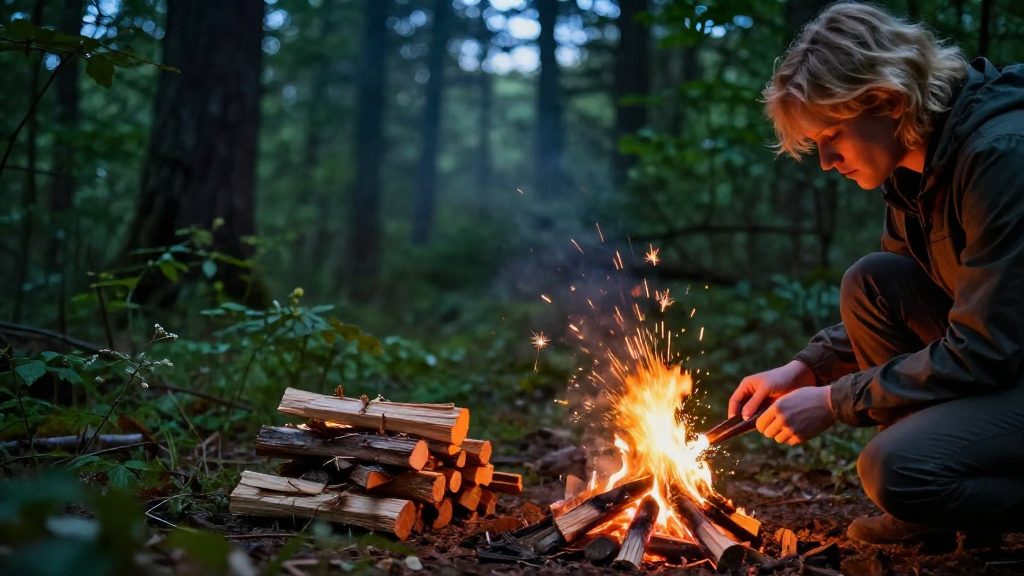
Building a campfire without matches may seem daunting, but it’s a valuable skill that can enhance your outdoor experience.
In this article, we will discuss various techniques and methods for effective campfire building without matches.
Let’s dive into the essentials of igniting a fire, even without conventional means.
What Are the Essential Materials Needed?
Before starting your campfire without matches, gather the following materials:
-
Tinder: Small, dry materials like dry leaves, pine needles, or cotton balls.
-
Kindling: These are small sticks or twigs.
-
Fuel Woods: Larger pieces of wood that will keep the fire burning once it’s established.
-
Fire Starter: Natural options like bird’s nest with dry grass or commercial fire starters.
-
Tools: A knife for preparing materials and primitive tools like a bow drill or flint and steel, if available.
How Can You Prepare Your Fire Site?
Creating a safe and effective fire site is crucial for campfire building without matches.
Follow these steps to prepare your area:
-
Choose a Safe Location: Look for a flat, clear area away from overhanging branches and flammable materials.
-
Create a Fire Pit: Use rocks to create a circle for your fire pit or dig a shallow hole.
-
Gather Materials: Collect your tinder, kindling, and fuel wood and keep them organized for easy access.
-
Separate Wood Types: Keep your tinder, kindling, and fuel woods in separate piles to streamline the process.
What Are the Different Methods to Ignite a Fire?
Multiple methods can be used for campfire building without matches. Here are some common approaches:
1. Bow Drill Technique
This method uses friction to create heat and ignition.
Materials you’ll need:
– A bow (a sturdy stick with a string)
– A spindle (a straight stick)
– A hearth board (a flat piece of wood)
– A fireboard (softwood like cedar/ pine)
Steps:
– Create a notch in the hearth board.
– Wrap the string around the spindle.
– Place one end of the spindle in the notch on the hearth board and press down with your hand.
– Move the bow back and forth to spin the spindle, creating dust.
– When the dust begins to smoke, transfer the embers to your tinder.
2. Flint and Steel
This method involves striking steel against flint to produce sparks.
Materials needed:
– Flint rock
– A piece of carbon steel (knife or other metal)
– Dry tinder
Steps:
– Hold the flint in one hand and the steel in the other.
– Strike the steel against the flint to create sparks.
– Direct the sparks onto your tinder.
– Once it ignites, gently blow to foster the flame.
3. Fire Plough
Using this ancient method, friction creates enough heat to spark a fire.
Materials needed:
– A stick (a softer wood)
– A plank of hardwood
Steps:
– Cut a groove in the plank.
– Rub the stick back and forth in the groove.
– When you see embers, transfer them to your tinder.
4. Solar Ignition
A sunny day can be your friend for creating fire without matches.
Materials needed:
– A magnifying glass or clear plastic bottle filled with water
– Tinder
Steps:
– Direct sunlight through the lens onto a focused point in your tinder.
– Hold until you see smoke, then nurture it into a flame.
What are the Best Practices for Fire Safety?
Safety is vital when engaging in campfire building without matches.
To ensure a safe fire, follow these tips:
-
Clear the Area: Remove any debris or flammable materials from the surrounding area.
-
Establish a Water Source: Keep a bucket of water or soil nearby for emergency purposes.
-
Monitor the Fire: Never leave the fire unattended. Always have a responsible adult oversee the flames.
-
Extinguish Completely: When finished, pour water over the fire to douse it completely, stirring the ashes to ensure it’s out.
How Do You Control Your Campfire Size?
Controlling your campfire size is essential for safety and efficiency during campfire building without matches.
Follow these guidelines:
-
Start Small: Use a small amount of tinder to begin.
-
Gradually Add Kindling: Once the tinder catches fire, add small pieces of kindling first.
-
Introduce Larger Logs: After a solid base of kindling is sustaining the fire, slowly add larger logs to maintain warmth.
What Should You Consider When Selecting Firewood?
Choosing the right firewood is crucial for successful campfire building without matches.
Opt for the following types:
-
Hardwoods: Such as oak, hickory, and maple. They burn longer and produce more heat.
-
Softwoods: Like pine, cedar, and fir, which ignite quickly, making them great for kindling but burn faster.
Avoid:
-
Wet or Green Wood: Moisture can significantly hinder your fire-making efforts.
-
Treated Lumber: Chemicals can release harmful fumes.
Conclusion: Mastering Campfire Building Without Matches
With practice and the right techniques, campfire building without matches can be an enjoyable and rewarding experience.
From using friction-based methods, flint and steel, to natural methods like solar ignition, you can start a fire without ever needing matches.
Remember to prioritize safety, gather the right materials, and respect your surroundings.
Nature rewards those who equip themselves with knowledge and preparedness, so happy camping, and may your fires burn bright!