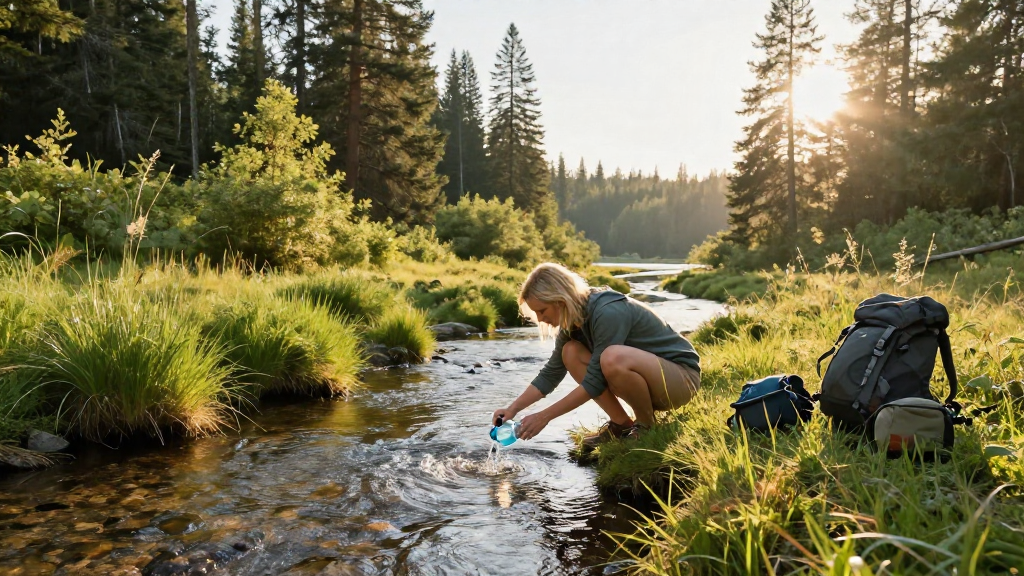
Planning a camping trip involves many important details, but one element that’s often overlooked is the camping hydration plan. Staying hydrated is crucial for your health and enjoyment while out in nature.
What is a Camping Hydration Plan?
A camping hydration plan is a strategic approach to ensuring that you and your group stay adequately hydrated during your outdoor adventure. It involves understanding your water needs based on factors like climate, physical exertion, and the duration of your trip.
Why is Hydration Important When Camping?
Proper hydration has numerous benefits:
- Boosts Energy Levels: Staying hydrated helps maintain your energy and stamina.
- Regulates Body Temperature: Proper fluid intake keeps your body cool on warm days and warm on cool nights.
- Prevents Dehydration: Dehydration can lead to serious issues such as fatigue, dizziness, and illness.
How Much Water Do You Need?
Your individual water needs will depend on several factors:
- Climate: Hot and dry climates require more water.
- Activity Level: More intense activities will lead to increased fluid loss.
- Body Size: A larger body mass typically requires more water.
As a general guideline:
-
Adults should aim for at least 2-3 liters of water per day while camping.
-
Children and elderly individuals should have personalized considerations based on their specific needs.
How Can You Assess Your Water Supply?
Planning your water supply is an essential part of your camping hydration plan. Here’s how to assess it:
- Identify Water Sources: Check for rivers, lakes, or springs near your campsite.
- Plan Water Filtration or Purification: If you’re using natural water sources, have a filtration system or purification tablets ready.
- Bring Enough Packaged Water: For remote areas, bring enough bottled water, considering your group’s daily needs.
What Should You Include in Your Camping Hydration Plan?
Your camping hydration plan should include clear strategies for water collection, storage, and consumption. Here are some key elements to consider:
- Daily Water Goals: Calculate daily water intake goals per person.
- Water Storage Solutions: Invest in durable water containers such as hydration packs or collapsible water containers.
- Reminder System: Set alarms or use smartphone apps to remind everyone to drink water throughout the day.
What Happens If You Don’t Stick to Your Hydration Plan?
Ignoring your camping hydration plan can lead to severe consequences:
- Dehydration Symptoms: This includes dizziness, headaches, fatigue, and even confusion.
- Reduced Physical Performance: You’ll feel tired and less able to complete hiking or other activities.
- Heat-Related Illnesses: Increased risk of heat exhaustion or heat stroke in hot weather.
When Should You Drink Water While Camping?
Incorporate regular drinking intervals into your camping hydration plan. Here’s a simple schedule you can follow:
- Morning: Start with at least 500ml upon waking.
- During Activities: Aim to drink 200-300ml every hour of physical activity.
- Meal Times: Drink an additional 250ml during each meal.
- Before Sleep: Consume at least 250ml before bedtime.
What Foods Can Help with Hydration?
Supplementing water intake with hydrating foods can enhance your camping hydration plan. Include these water-rich foods in your meals:
- Fruits: Watermelon, oranges, and strawberries.
- Vegetables: Cucumbers, lettuce, and celery.
- Soups and Broths: Great for adding both hydration and nutrients.
How to Manage Hydration in Different Weather Conditions?
Different weather scenarios can affect your hydration needs. Here’s how to manage them:
- Hot Weather: Increase your water intake by at least 1 liter and be mindful of electrolyte balance (add salts).
- Cold Weather: You may still become dehydrated. Drink warm liquids like herbal teas or soups.
- Rainy or Humid Conditions: Even if you don’t feel thirsty, maintain regular water intake to prevent dehydration.
Can You Over-Hydrate While Camping?
Yes, over-hydration, known as water intoxication or hyponatremia, can occur. Here are some signs to look for:
- Nausea or Vomiting
- Headaches
- Confusion
To avoid this:
- Listen to your body: Drink when you’re thirsty, and don’t force water intake beyond your comfort level.
How to Keep Hydrated During a Long Hike?
For those undertaking extended hikes, it’s vital to integrate hydration into your routine:
- Pre-Hike: Begin hydrating the night before with extra fluids.
- During Hike: Pack lightweight hydration packs or bottles for easy access.
- Post-Hike: Replenish lost fluids immediately and assess your hydration levels for recovery.
What Tools Can Help With Your Camping Hydration Plan?
Consider utilizing the following tools and gadgets to keep your camping hydration plan effective:
- Hydration Packs: Convenient for carrying and sipping water on the go.
- Water Filters: Portable filters allow you to purify water from natural sources.
- Smart Water Bottles: Some bottles track hydration levels and remind you when to drink.
Conclusion: Crafting Your Perfect Camping Hydration Plan
Creating a comprehensive camping hydration plan may seem daunting, but it’s essential for a safe and enjoyable experience in the great outdoors.
Begin by determining water sources and needs, outline your daily water goals, and incorporate foods that support hydration.
Remember, staying properly hydrated not only enhances your camping experience but also supports your health and well-being during those adventures.
So before you head out, make your camping hydration plan a priority, pack your supplies, and enjoy the beauty of nature while feeling your best!