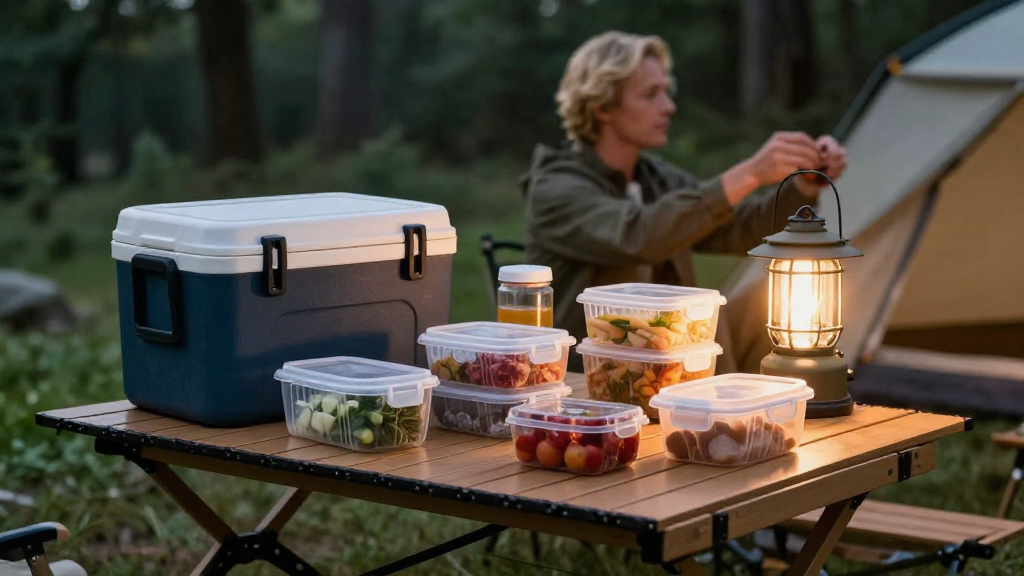
When you’re out enjoying nature, camping food storage ideas are crucial for keeping your meals safe and delicious.
In this article, we will explore essential tips and strategies for properly storing food while camping to ensure it remains fresh and free from contaminants.
Why Is Proper Food Storage Important for Camping?
Proper food storage while camping is vital for several reasons.
- Preventing Foodborne Illness: Storing food incorrectly can lead to contamination, causing foodborne illnesses.
- Attracting Wildlife: Improperly stored food can attract animals, putting both you and the wildlife at risk.
- Maintaining Quality: Freshness and taste are crucial when dining outdoors.
By following camping food storage ideas, you can help reduce these risks.
What Are the Best Camping Food Storage Ideas?
1. How Do You Pack Your Food Before Camping?
Packing your food properly is the first step in protecting it.
Here are some tips:
- Use Airtight Containers: Opt for BPA-free plastic containers or glass jars to limit exposure to air and moisture.
- Utilize Heavy-Duty Ziploc Bags: Perfect for snacks, grains, or anything else vulnerable to stale air.
- Label Your Containers: Clearly labeling your food helps you quickly find what you need and also ensures you are aware of expiration dates.
2. What Types of Food Should You Bring?
Not all foods are suitable for camping.
Consider packing:
- Non-Perishables: Such as nuts, dried fruits, oatmeal, pasta, and canned goods.
- Ready-to-Eat Meals: MREs (Meals Ready-to-Eat) or freeze-dried options are ideal.
- Condiments: Small packets or mini bottles of hot sauce and dressing are easy to store and use.
3. How Should You Keep Food Cold?
Keeping perishables cold is essential, particularly for meats and dairy.
Consider these methods:
- Invest in a Quality Cooler: A good cooler can keep items chilled for several days. Look for one with thick insulation.
- Freeze Water Bottles: Instead of ice packs, freeze water bottles ahead of time. They serve as ice and provide you with drinkable water as they melt.
- Use Dry Ice: If necessary, dry ice can keep your cooler colder for longer periods. Handle it with care, wearing gloves.
4. Where Should You Store Food When Camping?
The location of your food storage can make a significant difference.
Follow these guidelines:
- Keep Food Away from Tents: Store food at least 200 feet from your sleeping area to avoid attracting animals.
- Use Bear Canisters: If camping in bear country, invest in a bear-resistant food container to secure your food.
- Hanging Food Bags: In areas without bears, consider hanging food from trees to keep it out of reach from smaller critters.
5. What Are the Tips for Cooking Safely While Camping?
Cooking safely is just as important as food storage.
Here are some simple tips:
- Wash Your Hands: Always wash your hands before handling food.
- Keep Cooked and Raw Food Separate: Prevent cross-contamination by keeping raw meats separate from cooked foods.
- Cook Thoroughly: Make sure to cook foods, especially meats, to their safe internal temperatures.
6. How Can You Minimize Food Waste While Camping?
Minimizing food waste is another critical aspect of camping food storage ideas.
To cut down on waste, you can:
- Plan Meals: Prepare a menu before your trip to avoid overpacking.
- Use Leftovers Creatively: Incorporate leftovers into the following meal or snack.
- Seal Leftovers Correctly: Store trotters and leftovers in small containers with sealed lids or heavy-duty bags.
What Are Essential Camping Cooking Gear Items?
Having the right gear contributes significantly to managing food storage effectively.
Here’s what you’ll need:
- Portable Stove: For cooking meals easily.
- Camping Cookware: Pans, pots, and utensils designed for camping.
- Cooler Bags: Insulated bags keep food cold while traveling.
- Squeeze Bottles: For easy access to condiments.
Why Should You Consider Food Preservation Techniques?
Taking food preservation into account can significantly enhance your camping experience.
Consider these preservation methods:
- Dehydration: Clear bags of dehydrated fruits and vegetables can last long and are lightweight.
- Canning: Canned foods are shelf-stable and make for quick meals.
- Freezing: Freezing meals beforehand ensures they stay fresh longer while out camping.
7. What Are Some Easy Camping Recipes?
To make your camping experience enjoyable, try these easy recipes that can be made from stored food:
- Campfire Chili: Use canned vegetarian chili and add fresh vegetables for a wholesome meal.
- Oatmeal with Dried Fruits: Ideal for breakfast, quick and easy to prepare.
- Smoky BBQ Wraps: Bring shredded meat, tortillas, and your choice of ingredients for a tasty dish.
By adhering to these camping food storage ideas, you can enjoy delicious and safe meals throughout your camping trip.
Conclusion: What Are the Key Takeaways for Camping Food Storage?
Essentially, ensuring safe food storage while camping involves several key practices:
- Pack Properly: Use airtight and labeled containers.
- Choose the Right Foods: Opt for non-perishables and ready-to-eat meals.
- Store Correctly: Use bear canisters or hang food away from sleeping areas.
- Practice Safe Cooking: Keep your cooking area clean to avoid contamination.
By following these guidelines, you’ll be better equipped to enjoy your outdoor adventures safely and deliciously. Happy camping!