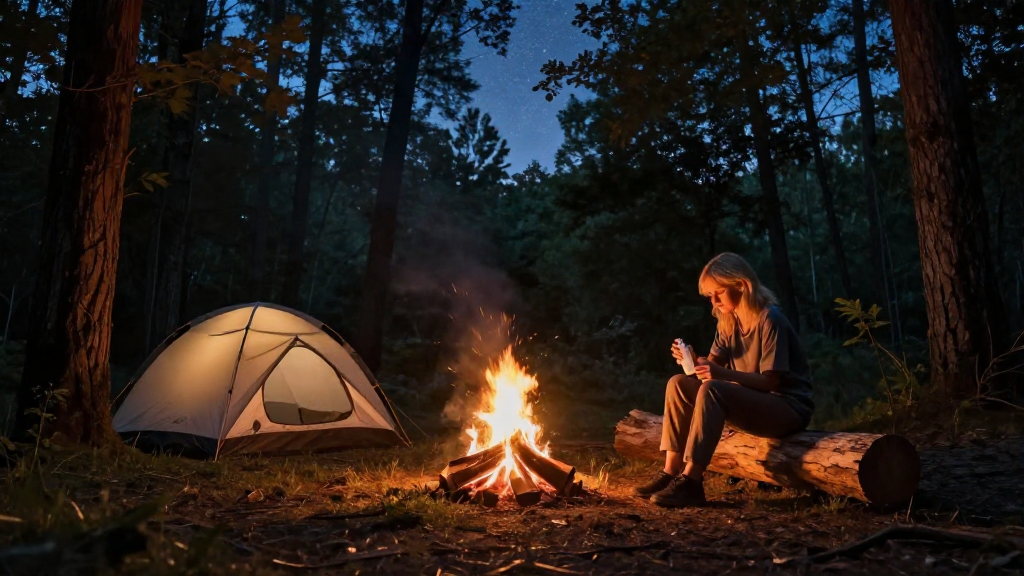
Camping in the great outdoors can be a delightful escape from everyday life.
However, one of the most common issues outdoor enthusiasts face is pesky insects.
In this article, we will explore how to prevent bugs while camping effectively.
By following these tips, you can enjoy your camping experience without worrying about unwelcome critters.
Why Are Bugs a Problem When Camping?
Bugs can turn your camping trip into a nightmare, making it essential to learn how to prevent bugs while camping.
Here are a few reasons why they become a nuisance:
- Insects like mosquitoes can bite, causing irritation and potential health issues.
- Flies are not only annoying but can contaminate food.
- Certain bugs are attracted to light, making your campsite uncomfortable at night.
Understanding these problems is the first step toward effectively preventing bugs during your camping adventure.
What Strategies Can You Use to Prevent Bugs?
Knowing how to prevent bugs camping begins with using simple and effective strategies.
1. Choose Your Campsite Wisely
One of the key elements in how to prevent bugs while camping is the location of your campsite.
Here are a few tips regarding site selection:
- Avoid standing water: Insects like mosquitoes breed in stagnant water.
- Look for shaded areas: Insects prefer warm, sunny spots.
- Stay away from dense vegetation: Brushy areas are often infested with ticks and other critters.
2. Use Natural Repellents
Incorporating natural insect repellents into your camping gear can be incredibly helpful.
Here are some options to consider:
- Essential oils: Oils like citronella, eucalyptus, and lavender can help deter insects.
- Vinegar: A mixture of vinegar and water can repel certain bugs when sprayed on the skin.
- Garlic: Consuming garlic before your trip is rumored to repel mosquitoes.
3. Wear Protective Clothing
One of the easiest ways to prevent bugs while camping is to dress appropriately.
Consider the following clothing tips:
- Long sleeves and pants: Wear lightweight, breathable fabrics that cover your skin.
- Light colors: Dark colors attract more insects.
- Bug-repellent clothing: Some brands offer clothing treated with permethrin, a chemical that repels insects.
Which Products Can Help You Battle Bugs?
If you’re serious about how to prevent bugs camping, investing in specific products is a must.
1. Insect Repellents
Using a good insect repellent can significantly reduce the chances of bug bites.
Look for products containing:
- DEET: The gold standard in insect repellents.
- Picaridin: Effective and odorless alternative to DEET.
- Oil of Lemon Eucalyptus: A natural product shown to be effective against bugs.
2. Bug Nets
For added protection, consider using bug nets around your sleeping area.
Portable bug nets can be a lifesaver, especially in densely populated mosquito areas.
The key features to look for are:
- Lightweight material: Easy to roll up and transport.
- Durable construction: Ensure long-lasting use.
- Insect-proof mesh: Effectively keeps bugs out while allowing airflow.
3. Bug Zappers and Traps
Another efficient method in your arsenal for how to prevent bugs while camping is using bug zappers and traps.
Here’s what to consider:
- Portable bug zappers: Electric zappers use UV light to attract and eliminate flying insects.
- Sticky traps: Can be hung around the campsite to catch insects.
How Can You Keep Your Food Bug-Free?
Food is often a major attraction for insects while camping.
Here are the essential steps on how to prevent bugs camping concerning food:
1. Store Food Properly
To keep your food safe from bugs, make sure to:
- Use airtight containers: Ensure food is sealed, so scents don’t attract insects.
- Store food away from your sleeping area: Keep all food at least 100 feet from your sleeping site.
2. Clean Up After Meals
A clean campsite is less likely to attract pests.
Here’s how to keep your area tidy:
- Dispose of trash properly: Store garbage in sealed bags and containers.
- Clean cooking utensils: Wipe down surfaces to eliminate food particles.
What Should You Do If You Get Bitten?
Even with the best prevention techniques, bug bites might still happen.
Here’s how to handle them:
- Clean the area: Use soap and water to avoid infection.
- Apply a cold compress: This can reduce swelling and pain.
- Use over-the-counter treatments: Hydrocortisone cream and antihistamines can relieve itching and discomfort.
When Should You Seek Medical Attention?
While most bug bites are harmless, some can pose serious health risks.
Be aware of the following symptoms that warrant a visit to a medical professional:
- Severe allergic reactions: Swelling, difficulty breathing, or rapid heartbeat.
- Signs of infection: Increased redness, warmth, or discharge.
- Tick bites: If a tick hasn’t been removed properly, it can lead to diseases like Lyme disease.
Final Thoughts: How to Prevent Bugs While Camping
In conclusion, learning how to prevent bugs camping can make your outdoor experience much more enjoyable.
By choosing your campsite carefully, using the right products, and maintaining cleanliness, you can protect yourself from the annoying population of insects.
Camping should be about reconnecting with nature and enjoying good company.
Preparing effectively against pests will allow you to focus on what truly matters—creating lasting memories with family and friends.
Happy camping, and may your adventures be bug-free!