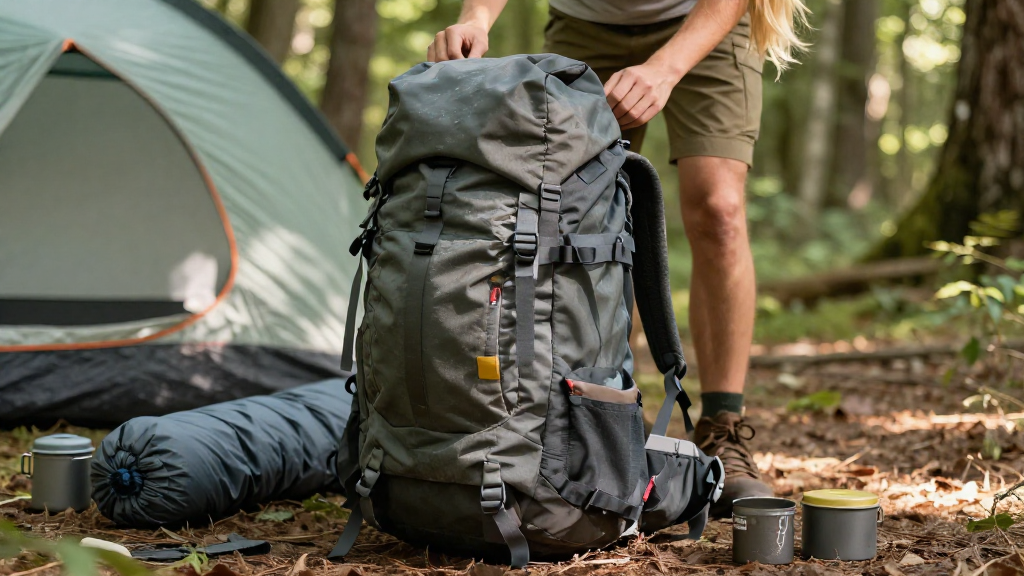
Packing efficiently is an essential skill for any camping trip.
Knowing how to pack a backpack for camping can make a world of difference in your outdoor experience.
In this article, we will explore the best tips and techniques to help you pack your backpack like a pro.
What Supplies Do You Need Before Packing?
Before we delve into the steps on how to pack a backpack for camping, you need to gather the necessary supplies.
Here’s a quick checklist:
- Tent and Footprint: A lightweight, waterproof shelter is essential.
- Sleeping Gear: Includes a sleeping bag suited for the temperature and a sleeping pad for comfort.
- Clothing: Pack moisture-wicking layers and weather-appropriate gear.
- Cooking Equipment: A portable stove, fuel, and lightweight cookware are needed.
- Food and Snacks: Non-perishable items and energy-rich snacks work best.
- Water and Hydration: A water bottle or hydration system; consider water purification tablets, too.
- First-Aid Kit: Don’t forget to include any personal medications.
- Navigation Tools: Maps, compass, and a fully charged smartphone or GPS device.
- Tools and Repair Kits: A multitool can handle various tasks while in the wild.
- Personal Items: Toiletries, sunscreen, bug spray, and a headlamp are must-haves.
By gathering these supplies first, you can streamline the process of how to pack a backpack for camping.
How Do You Organize Your Backpack?
Once you have all your gear, it’s time to think about organization.
Here’s how to strategically pack your backpack for camping:
-
Group Similar Items Together
– Clothing: Keep all your clothing in one section.
– Cooking Supplies: Bundle your stove and cookware together for easy access.
– First-Aid Supplies: Always keep these items at the top or in an easily reachable pocket. -
Use Stuff Sacks
– Compression Bags: Utilize these to save space for your sleeping bag and clothes.
– Dry Bags: Protect electronics and other sensitive items from moisture. -
Position Heaviest Items Wisely
– Close to Your Back: Place heavier items close to your spine to maintain balance.
– Center of Gravity: Keep the weight centered in your pack to avoid strain. -
Fill Empty Spaces
– Place smaller items, like socks or utensils, in gaps to maximize space.
– Use every inch of your backpack to keep it compact.
By organizing your gear efficiently, you’ll learn how to pack a backpack for camping in a way that enhances your hiking experience.
How Do You Pack for Accessibility?
Accessibility plays a critical role in a successful camping trip.
Here are some tips to ensure you can easily reach what you need:
- Top Pocket:
- Keep essential items, like maps, snacks, and your phone, in the top pocket or lid of the backpack.
-
This allows for easy access while on the move.
-
Side Pockets:
- Store water bottles or trekking poles in side pockets.
-
These items are often used, so keep them easily accessible.
-
Hip Belt Pockets:
- Utilize these for small, frequently-used items, such as energy bars or a compass.
- Having quick access to these items can save time on the trail.
Prioritizing accessibility is vital when considering how to pack a backpack for camping. Good organization can prevent time wasted rummaging through your gear.
What Packing Technique Should You Use?
Once you’re ready to load your backpack, consider this packing technique to maximize gear efficiency:
-
Pack the Sleeping Bag First
– Place your sleeping bag at the bottom of your pack.
– This provides a stable base for the rest of your gear. -
Add Cooking Gear
– After your sleeping bag, add your cooking supplies near the middle.
– This keeps them out of the way while allowing easy access at camp. -
Insert Other Gear
– Add the bulkier items, like your tent and clothing, next.
– Layer them consistently to maintain balance. -
Finish with Smaller Items
– Place first-aid kits, toiletries, and other small items on top or in external pockets.
– Finalize the packing by ensuring everything is secure.
Utilizing this step-by-step technique will enhance your understanding of how to pack a backpack for camping, ensuring that everything fits snugly without wasting space.
How Important is Weight Distribution?
Understanding weight distribution is critical for a comfortable camping experience.
Here’s how to achieve optimal weight balance:
- Keep it Light:
- Consider your gear’s weight and eliminate unnecessary items.
-
Lightweight equipment can make a significant difference.
-
Load Up:
- Distribute gear evenly within your pack to prevent it from tipping or swaying while you walk.
-
Ensure heavier items are as close to your back as possible for weight support.
-
Stability:
- Secure your pack’s load using straps and buckles to prevent shifting.
- If weight shifts, it can lead to discomfort and fatigue.
Proper weight distribution is essential when figuring out how to pack a backpack for camping. The right balance can keep your energy levels up over long distances.
What Should You Do Before Hitting the Trail?
Take some time to finalize your preparations before embarking on your camping adventure.
-
Test Your Pack
– Go for a short walk or hike with your packed backpack to ensure comfort.
– Make adjustments as necessary. -
Check the Forecast
– Review weather conditions before leaving.
– Be sure you have the right gear packed for the trip. -
Prep Your Food and Water
– Organize your food items and pack enough water.
– Consider your route and the availability of refill sources. -
Double-Check Essentials
– Ensure you have critical items like your first-aid kit, navigation tools, and a charged phone.
By preparing correctly and knowing how to pack a backpack for camping, you’ll set yourself up for a successful trip that you can fully enjoy.
Conclusion
Knowing how to pack a backpack for camping is an invaluable skill for any outdoor enthusiast.
From organizing your gear effectively to ensuring easy accessibility and optimal weight distribution, every detail matters.
By following these guidelines, you can enhance your camping experience and enjoy the great outdoors to the fullest.
So, before you hit the trail, take time to pack wisely!
With the right approach, you’ll be well-prepared for whatever adventure awaits.