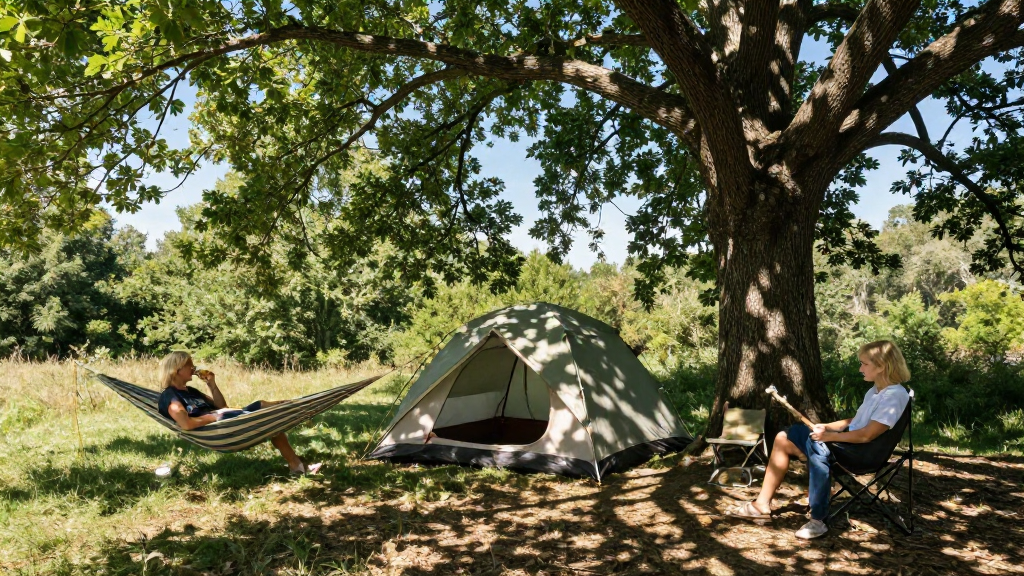
When it comes to enjoying the great outdoors, knowing how to find shade while camping can make a significant difference in your overall experience.
Why is Shade Important While Camping?
When you’re spending time outdoors, especially in warm weather, finding shade is essential for several reasons:
- Heat Protection: It helps to keep your body cool and prevents overheating.
- Sun Safety: Reduces your risk of sunburn and long-term skin damage.
- Comfort: Provides a more enjoyable environment for relaxation and activities.
- Energy Conservation: Conserving energy in cool, shaded areas allows you to enjoy your camping trip longer.
With these benefits in mind, let’s explore some effective strategies and tips on how to find shade camping.
Where Can You Find Natural Shade While Camping?
When you’re out in nature, several natural features can provide excellent shade. Here are some common sources:
-
Trees:
– Look for large, leafy trees that give ample cover.
– Oak, Maple, and Pine are excellent choices. -
Hills and Mountains:
– Camping on the north side of hills can provide shade as the sun moves. -
Rock Formations:
– Boulders and cliffs can cast long shadows, especially as the sun sets. -
Shrubbery:
– Wide bushes can provide immediate relief from the sun’s rays. -
Water Features:
– Placing your campsite near lakes or rivers often means you’re near flora that thrives in shaded areas.
By scouting these features upon arrival at the campsite, you’ll be better able to position your gear effectively.
What Should You Consider When Setting Up Camp?
When planning how to find shade while camping, consider these factors:
1. Sun’s Position:
- Be aware of the sun’s path: it moves from east to west.
- Set up your campsite accordingly to maximize shade.
2. Weather Patterns:
- Check forecasts for cloud cover or incoming storms as they can break the sun.
- Wind can help cool down the area but may also shift your shade.
3. Time of Day:
- In the morning and evening, the sun is lower, casting longer shadows.
- During peak sun hours (usually between 10 AM and 4 PM), optimize shade placement.
4. Campsite Orientation:
- Face your tent’s door away from direct sunlight.
- Set your cooking area in a shaded spot to avoid exposure.
How Can You Create Artificial Shade While Camping?
Sometimes relying on natural shade isn’t enough. Here are some ways to create artificial shade:
1. Tarps:
- A lightweight tarp can be quickly setup between trees or with poles.
- Ensure it’s anchored securely to withstand wind.
2. Canopies:
- Consider a portable canopy tent for larger areas.
- Great for group gatherings or meal preparation.
3. Parasol or Beach Umbrella:
- Lightweight and easy to carry, perfect for those who want mobility.
- Set them up where you need immediate relief.
4. Hammock with a Rain Fly:
- Not only for sleeping or lounging, a rain fly can also block out sun.
- Set up your hammock between trees for a perfect shady spot.
5. Bivvy Bags:
- For minimalists, a bivvy bag with UV protection can shield you from the sun.
These options provide flexibility and can be adjusted based on available resources.
What are Some Tips for Finding Shade in Different Camping Environments?
The method of finding shade can vary drastically depending on the environment you’re camping in. Here are tailored strategies for different settings:
1. Forest Camping:
- Look for open areas with ample tree coverage.
- Try to set your tent near tall, leafy trees.
2. Beach Camping:
- Seek out dune grasses or trees that can provide airflow and shade.
- Use your beach umbrella for maximum flexibility.
3. Desert Camping:
- Choose canyons or rock overhangs for natural protection against harsh sun.
- Look for cacti or tall bushes that can break up the sun’s rays.
4. Mountain Camping:
- Scout higher elevations for trees.
- Utilize rock formations as wind barriers and shade providers.
How Can You Maintain Comfort in the Shade?
Once you’ve found or created shade, here’s how to ensure you remain comfortable throughout your camping trip:
1. Hydration:
- Drink plenty of water, even if you’re not thirsty.
- Dehydration can sneak up on you in the heat.
2. Light Clothing:
- Wear loose, breathable clothing to maximize airflow.
- Consider wide-brimmed hats for extra protection.
3. Resting Periods:
- Plan regular breaks in the shade to rejuvenate.
- Use this time to relax with a book or chatting with fellow campers.
4. Bug Protection:
- Shade can draw insects; don’t forget your bug spray.
- Consider using a bug net if you feel particularly bothered.
5. Fanning:
- Bring portable fans or simply use your hands to cool yourself down.
By keeping these tips in mind, you’ll ensure that you remain refreshed and eager to explore the great outdoors.
Conclusion: How to Find Shade While Camping
Understanding how to find shade while camping is essential for a pleasant camping experience.
Whether utilizing nature’s offerings or creating artificial structures, knowing where and how to seek shade will safeguard your comfort and health.
The next time you venture into the wild, remember these tips and strategies.
You’ll be sure to enjoy a hassle-free camping experience, protected from the elements and connected with nature. Happy camping!