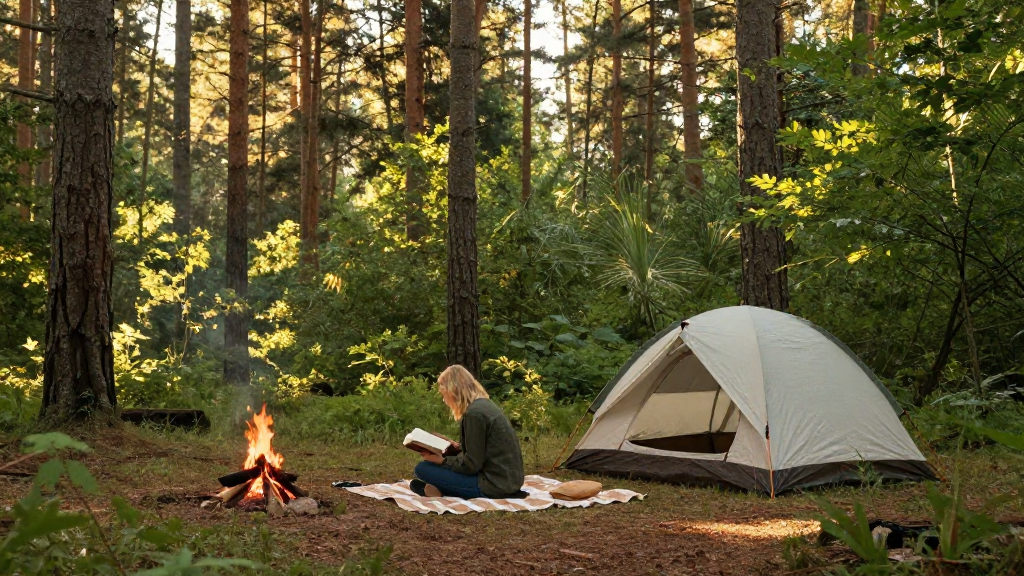
Finding privacy at a campsite is essential for many outdoor enthusiasts who wish to disconnect from the hustle of daily life and connect with nature.
When you’re camping, being surrounded by the beauty of nature can be a refreshing escape, but sometimes the experience can be tarnished by the proximity of other campers.
So, how exactly can you find campsite privacy?
What Should You Consider for Privacy?
When it comes to knowing how to find campsite privacy, several factors can impact your camping experience. Here are key considerations:
-
Location Selection:
– Look for campsites a little farther from popular or crowded areas.
– National Forests and State Parks often feature dispersed camping options.
– Walking a short distance from established campgrounds can yield a more secluded spot. -
Timing of Your Trip:
– Consider camping during the shoulder seasons (spring or fall) when fewer people venture out.
– Weekdays often offer greater privacy compared to weekends.
– Check local community calendars to avoid busy holiday periods. -
Campsite Layout:
– Choose campsites with natural barriers such as trees, bushes, or hills to create separation from neighboring sites.
– Avoid spots directly adjacent to restrooms or popular trails as these are often busier areas. -
Weather Considerations:
– Inclement weather can deter some campers from venturing outdoors.
– Overcast, rainy days may provide more privacy, even in popular spots.
How Can You Increase Your Privacy?
There are practical ways to enhance your experience and create a more private atmosphere. Here are tips for how to find campsite privacy that won’t leave you feeling exposed:
- Use Natural Barriers:
- Set up your tent or campsite behind trees or boulders.
-
Create a “natural screen” using items like tarps or blankets.
-
Design Your Setup Wisely:
- Position your tent and common area away from the main traffic flows in campsites.
-
Use portable partitions to shield your site from prying eyes if necessary.
-
Limit Noise:
- Stick to quieter activities to avoid drawing attention and respect the peace of surrounding campers.
-
Use a low tone for conversations, especially at night.
-
Respect Others’ Privacy:
- Be mindful of your campsite’s proximity to others and keep your area tidy and quiet.
- Establish a solid understanding of personal space, ensuring you don’t intrude on neighbors.
What Equipment Can Help You Find Privacy?
Having the right gear can significantly support your search for privacy. Here’s a quick list of items you might consider:
- Camp Tarp or Canopy:
-
This can provide an additional barrier and helps shield from the view and weather.
-
Portable Privacy Screens:
-
Lightweight and easy to set up, these can effectively block out sightlines.
-
Noise-canceling devices or earplugs:
-
Essential if you’re near noisy areas or busy campgrounds.
-
Tent with a Vestibule:
- Offers extra storage that keeps personal items out of sight while providing a personal area for changing clothes.
Where Are the Best Places to Go Camping for Privacy?
If you are serious about how to find campsite privacy, consider some of these locations known for their seclusion:
- National Parks:
-
Many lesser-known parks offer backcountry sites that provide a serene ambiance away from the bustling crowds.
-
State Forests:
-
They often have dispersed camping options that allow you to set up anywhere within designated areas without the closeness of others.
-
Remote Wilderness Areas:
- Research destinations that provide opportunities for isolated camping.
-
Remote locations often require hiking to reach, which can ensure a quiet atmosphere.
-
Lakeside or Riversides:
- Camping near water bodies, but away from the main access trails, can provide pleasant views and the tranquility that comes with flowing water but should ideally be thought through to avoid being too close to others.
How Can You Plan for Success?
Planning can play a crucial role in ensuring you find the privacy you desire during your camping trip. Here are several strategies:
-
Research:
– Use resources like Campsite Reviews and AllTrails to find less-known campgrounds.
– Websites or apps that provide user-generated reviews can aid your search for secluded camping spots. -
Call Ahead:
– If the campsite allows reservations, don’t hesitate to inquire about their privacy levels before booking.
– Ask rangers about best-kept secrets for privacy at specific campgrounds. -
Use Maps:
– Bring topographic maps or use GPS apps to identify areas that look remote.
– Look for sites off the beaten path, marked with minimal symbols. -
Follow Basic Camping Etiquette:
– When hiking to your camping spot, respect others’ privacy by sticking to the trails and keeping noise levels low.
– Always leave no trace to preserve natural spaces for future campers.
Summing Up: How to Find Campsite Privacy?
When it comes to how to find campsite privacy, remember that diligence and planning can lead to a rewarding camping experience.
Prioritizing locations with natural barriers, visiting during less busy times, and utilizing appropriate gear can significantly enhance your campsite privacy.
Additionally, being considerate of other campers fosters a peaceful atmosphere that everyone can enjoy.
Now that you’ve learned valuable strategies, it’s time to venture out and find your perfect, private retreat in the great outdoors! Happy camping!