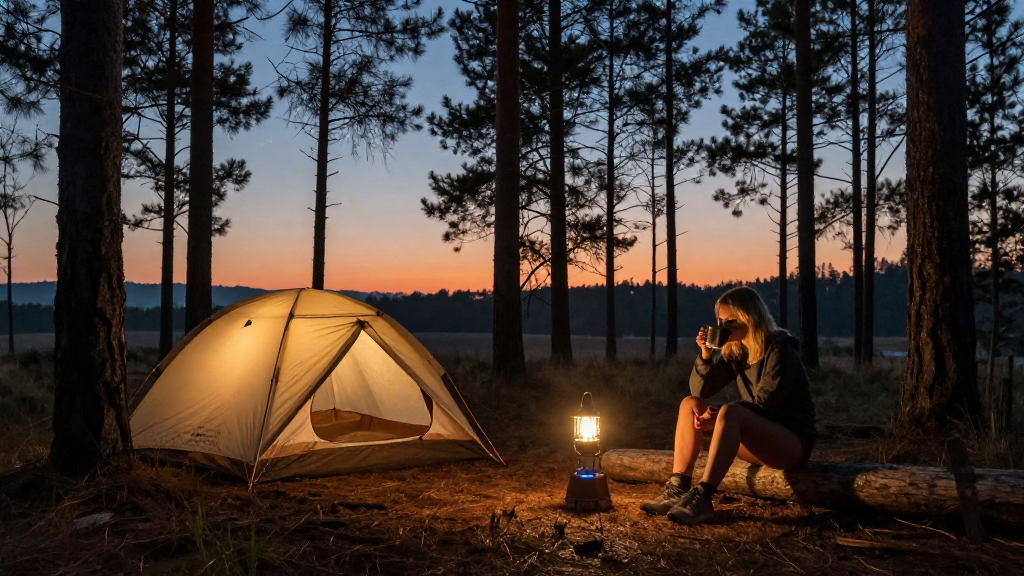
Camping without a fire pit can be an enjoyable and memorable experience.
Whether you’re going to a campground or heading into the backcountry, there are plenty of ways to enjoy your time outdoors without the customary campfire.
In this guide, we’ll explore the best techniques for camping without a fire pit, from cooking and warmth to lighting and atmosphere.
Why Camp Without a Fire Pit?
Camping without a fire pit might sound challenging, but it offers some significant advantages:
-
Safety: Without an open flame, there’s a reduced risk of wildfires, which can be especially critical in dry areas.
-
Convenience: No need to gather firewood or worry about fire restrictions in certain locations.
-
Environmental Concerns: Camping without fires may lessen your impact on the ecosystem, preserving natural resources and wildlife habitats.
-
Less Smoke: Enjoy cleaner air without the smoke that can irritate the eyes or lungs.
What Are Your Cooking Alternatives?
One of the main concerns when camping without a fire pit is cooking your meals. But there are numerous alternatives you can consider:
- Portable Camp Stove:
- Look for compact and lightweight models that fuel with propane or butane.
- They are easy to set up and can boil water or cook meals quickly.
- Grilling:
- Bring a small portable grill that operates on propane or charcoal.
- These grills are great for searing meats and veggies without needing a fire pit.
- Solar Cooker:
- Harness the sun’s energy by using a solar oven.
- They’re eco-friendly and require no fuel, making them perfect for bright, sunny days.
- Freeze-Dried Meals:
- Opt for freeze-dried or dehydrated meals that can be easily prepared with boiling water from a camp stove.
- They’re lightweight, convenient, and often nutritious.
- No-Cook Meals:
- Consider meals that don’t require cooking, such as sandwiches, salads, and snack items.
- These are easy to pack and require minimal effort.
How Can You Stay Warm Without a Fire Pit?
Staying warm is essential for a successful camping trip. Here are some effective ways to keep cozy during your nights outdoors:
- Dress in Layers:
- Wear multiple layers of clothing to regulate your body temperature.
- Include thermal base layers, insulated mid-layers, and waterproof outer layers.
- Use a Good Sleeping Bag:
- Invest in sleeping bags that are rated for the temperature you expect at night.
- Mummy-style bags or those with built-in hoods are great for retaining warmth.
- Insulated Sleeping Pads:
- An insulated sleeping pad provides an extra layer from the cold ground, helping you stay warm.
- Portable Heaters:
- Consider using a small propane or butane heater designed for outdoor use.
- Ensure proper ventilation to avoid carbon monoxide buildup.
- Hot Water Bottles:
- Fill a durable water bottle with hot water and place it in your sleeping bag before bed to keep you warm.
What Are Fun Alternatives to Campfire Activities?
Creating an inviting atmosphere without a fire pit can be a challenge, but there are fun alternatives for entertainment and ambience:
- Solar Lanterns:
- Bring along solar-powered lanterns or LED lights.
- This creates a soft glow around your campsite that can mimic the warmth of a fire.
- Campfire Stories & Games:
- Gather your group for stories, ghost tales, or fun games.
- Card games and board games are great for nights under the starlit sky.
- Star Gazing:
- Without the fire distracting you, spend your evenings looking up at the stars.
- Use a star map or stargazing app to identify constellations.
- Cooking Classes:
- Turn meal preparation into a fun group activity.
- Try cooking lessons using your camp stove or grill to bond over shared learning.
- Nature Walks:
- Utilize the time instead of sitting by the fire pit to explore your surroundings.
- Take hikes, go birdwatching, or participate in nature photography.
What to Consider for Clean Up After Camping Without a Fire Pit?
When camping without a fire pit, maintaining cleanliness and adhering to Leave No Trace principles is still essential. Here are some tips for clean-up:
- Pack Out Trash:
- Bring trash bags to ensure all waste is packed out of the camping area.
- Never leave food scraps or waste behind.
- Wash Dishes with Care:
- Bring biodegradable soap for washing dishes.
- Use a minimal amount of water, and dispose of wastewater properly by scattering it away from the campsite.
- Store Food Properly:
- Invest in bear-resistant containers or use bear bags to keep your food safe.
- Store all food away from your tent to prevent attracting wildlife.
- Leave Natural Areas Intact:
- Avoid damaging any vegetation, rocks, or wildlife habitats.
- Stick to established trails to minimize your impact.
- Respect Local Regulations:
- Abide by any camping and environmental regulations.
- This includes adhering to local rules regarding campfires and wildlife protection.
Final Thoughts: Embrace the Adventure
Camping without a fire pit can provide a unique and enriching experience.
By using the right equipment and techniques, you can enjoy cooking, warmth, and atmosphere without a traditional campfire.
Remember to prioritize safety, cleanliness, and respect for the environment, and you’ll create wonderful memories outside.
So gear up, venture forth, and make the most of your adventures camping without a fire pit! Enjoy every moment under the stars.