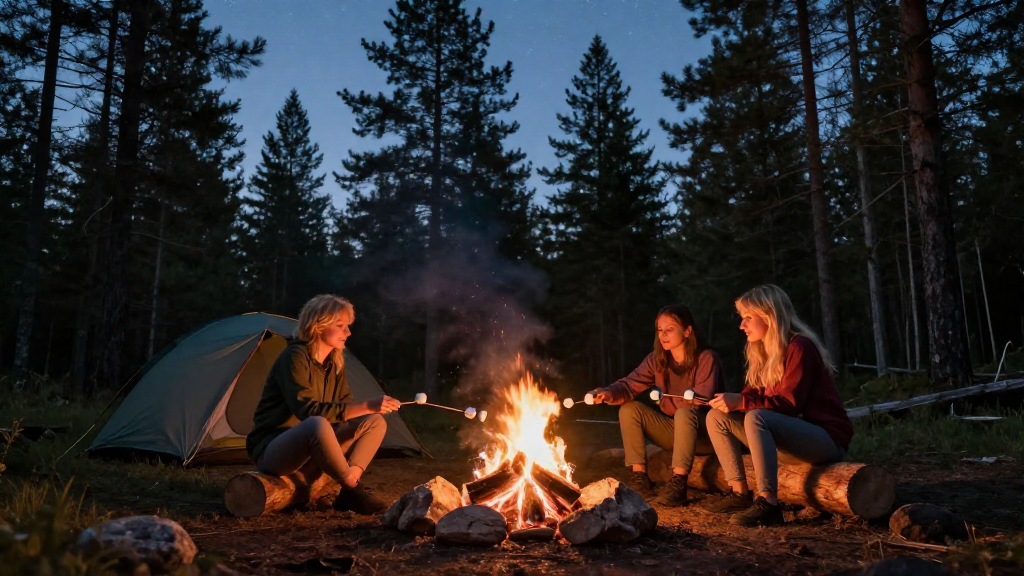
Camping without a tent can be an exhilarating experience, allowing you to connect more deeply with nature.
What Are the Benefits of Camping Without a Tent?
Camping without a tent offers several advantages that can enhance your outdoor experience:
- Closer Connection to Nature: Without the barriers of a tent, you can truly immerse yourself in the sights and sounds of the wilderness.
- Reduced Weight and Bulk: By leaving the tent behind, you lighten your load, making it easier to hike and explore.
- Flexibility: You can choose your sleeping arrangement and change locations more easily than if you were carrying a tent.
- Cost Savings: Avoiding the costs associated with tents and sleeping bags means you can put your budget toward other essentials like food or gear.
How Do You Prepare for Camping Without a Tent?
Preparation is key when camping without a tent. Here are some steps to ensure you have a successful trip:
-
Choose Your Location Wisely:
– Look for a flat, dry area that offers natural windbreaks such as trees or boulders.
– Ensure that you are in a designated camping area if it’s required by local regulations. -
Select the Right Gear:
– Sleeping bag: A good sleeping bag rated for the temperature you’ll encounter is essential.
– Sleeping pad: This provides insulation and cushioning from the ground.
– Tarps or bivy sacks: These can give you some protection from the elements. -
Pack Essential Supplies:
– Food: Bring lightweight, high-energy snacks and meals.
– Water filtration system: Hydration is crucial, so make sure you can access clean water.
– First-aid kit: Accidents can happen, so be prepared. -
Plan Your Clothing:
– Layering is vital.
– Bring moisture-wicking materials for hot days, along with warm layers for cooler nights.
What Are the Best Alternatives to a Tent?
When camping without a tent, there are several alternatives for shelter and comfort:
-
Hammock:
– Using a hammock can be a fun and comfortable way to sleep.
– Benefits: They offer good airflow and are lightweight.
– Choose the Right Hammock: Look for one designed for camping, ideally with a rainfly for added protection. -
Tarp Shelter:
– A simple tarp can serve as a makeshift shelter.
– Setup: You can create a sloped roof to keep rain off or use it as a ground cover. -
Bivy Sack:
– A bivy sack is an excellent choice for minimalist campers.
– Protection: It provides waterproof protection while still allowing you to enjoy the outdoor experience. -
Nature’s Covers:
– Natural shelters like caves or overhangs can serve as a place to sleep.
– Safety: Always assess the stability and safety of these natural formations before settling in.
How Do You Stay Comfortable While Camping Without a Tent?
Staying comfortable is crucial when camping without a tent. Here are some tips to ensure a restful night:
- Elevation: Set up your sleeping gear on raised ground to avoid moisture and bugs.
- Using a Sleeping Bag: Opt for a sleeping bag that fits your body size to retain heat effectively.
- Ground Pad: A foam or inflatable ground pad will provide insulation from the cold ground, enhancing comfort.
- Layering: Dress in layers to accommodate temperature changes throughout the night.
What Safety Precautions Should You Take?
Camping without a tent requires specific safety measures to ensure both your comfort and protection:
-
Know the Local Wildlife:
– Educate yourself about local wildlife and their habits.
– Store food securely to avoid attracting animals. -
Weather Awareness:
– Check weather forecasts before your trip and throughout your stay.
– Be prepared for sudden changes, including rain or storms. -
Use a First-Aid Kit:
– Always bring a well-stocked first-aid kit tailored to the outdoor environment you’re in. -
Set Up Camp Early:
– Arriving at your campsite with plenty of daylight allows you to set up your sleeping area safely. -
Communicate Your Plans:
– Always inform someone about your camping plans and duration.
How Can You Enhance Your Camping Without a Tent Experience?
To create a more enjoyable camping trip, consider the following:
- Cooking Gear:
- Invest in portable cooking equipment to prepare warm meals.
-
Portable camping stoves are great for preparing food with ease.
-
Entertainment:
-
Bring lightweight books, cards, or games for evening entertainment.
-
Fire Pit:
- If regulations allow, create a campfire for warmth and cooking.
-
Ensure the fire is fully extinguished before leaving the site.
-
Daily Activities:
- Plan daily hikes, fishing, or scouting activities that allow you to explore your surroundings.
What are Important Tips for Camping Without a Tent?
Finally, here are some critical tips for camping without a tent:
- Practice Leave No Trace Principles:
-
Respect nature by leaving your campsite as you found it.
-
Learn Basic Wilderness Skills:
-
Acquiring skills like knot tying or fire-starting can greatly enhance your experience.
-
Stay Positive:
- Embrace the unique experience of camping without a tent, and remember that flexibility can lead to unexpected adventures.
Conclusion
Camping without a tent can be an incredible way to experience the great outdoors.
With proper preparation, the right gear, and a few safety measures, a tent-free camping adventure can be just as rewarding as any other camping trip.
Whether you choose a hammock, tarp, or simply sleep under the stars, you will certainly make lasting memories while enjoying nature in a whole new way.