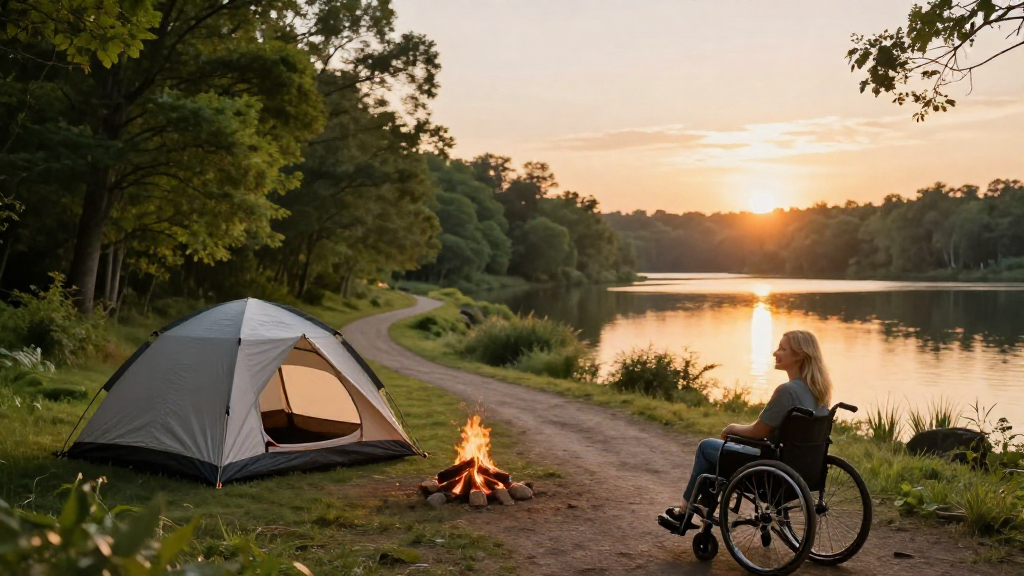
Camping with limited mobility can be a rewarding experience that allows everyone to connect with nature, regardless of physical challenges.
In this article, we’ll explore practical tips and essential strategies to make your camping with limited mobility trip enjoyable and accessible.
What Are the Best Camping Options for Limited Mobility?
When it comes to camping with limited mobility, the choice of location is crucial. Here are some recommended camping options:
-
Accessible Campgrounds: Look for campgrounds that specifically advertise accessibility features. They often have paved paths, accessible bathrooms, and wheelchair-friendly picnic tables.
-
RV Camping: Renting an RV can be a fantastic option. Many RVs come equipped with features like ramps and wide doors, making them more accessible for individuals with mobility difficulties.
-
Cabin Rentals: Consider renting a cabin instead of traditional camping. Cabins often provide better accessibility and still allow you to enjoy the great outdoors.
-
Glamping: Glamping, or glamorous camping, offers luxurious accommodations while still being surrounded by nature. It’s an excellent option for those needing a bit more comfort.
How to Prepare for Your Camping Trip?
Preparation is key when planning for camping with limited mobility. Follow these steps to ensure a smooth experience:
-
Research the Campground:
Always check the campground’s accessibility features. Call ahead to ask about specifics like wheelchair access, the terrain, and available amenities. -
Pack Wisely:
Bring lightweight equipment and mobility aids. Here’s a packing list:
- Wheelchairs or Mobility Scooters: Ensure they are suitable for outdoor terrain.
- Portable Seating: Consider foldable chairs that are easy to carry.
- First Aid Kit: A must-have for any camping trip.
- Sun Protection: Hats, sunscreen, and sunglasses.
- Hydration Supplies: Ensure you stay hydrated by packing a water bottle or hydration pack.
- Plan Your Activities:
Choose activities that suit your mobility level. Research options like:
- Nature Trails: Find accessible trails that offer beautiful views without being too challenging.
- Fishing: Look for fishing spots that have easy access.
- Bird Watching: Bring binoculars and enjoy the serene beauty of wildlife.
What Gear Is Essential for Camping with Limited Mobility?
Having the right gear can significantly enhance your camping experience. Below are some essential items:
- Adaptive Camping Gear:
- Campsites with Electric Hook-ups: If using an electric wheelchair or scooter, ensure there are hookups available.
-
Portable Ramps: These can make entering and exiting vehicles and campsites easier.
-
Comfort Items:
- Ground Pads and Cushions: Make seating more comfortable.
-
Adjustable Height Tables: Useful for meals and activities.
-
Safety Equipment:
- GPS and Navigation Tools: Help in moving around and finding the best locations without difficulty.
- Personal Emergency Devices: Such as personal alarms or mobile phones for emergencies.
How to Stay Safe While Camping?
Safety is important, especially when camping with limited mobility. Here are some safety tips:
-
Stay On Paved Paths: Always opt for well-maintained trails and avoid rough terrain.
-
Camping Buddy System: Travel with someone who can assist you.
-
Emergency Contact: Always have a phone and inform someone of your camping plans.
-
Weather Awareness: Check weather forecasts and be prepared with appropriate clothing.
How to Make Your Camp Comfortable?
Comfort is vital when camping with limited mobility. Try to ensure your campsite meets your needs:
-
Set Up an Accessible Tent:
If you’re using a tent, make sure it is spacious enough for mobility aids. Consider the following: -
Easy Access: Make sure the entrance isn’t obstructed.
-
Clear Ground: Ensure the area around the tent is level and free of debris.
-
Create a Relaxing Atmosphere:
Bring items that can make your campsite more comfortable. Consider: -
Portable Fans or Heaters: Depending on the weather.
-
String Lights: For creating a cozy ambiance at night.
-
Comfortable Sleeping Arrangement:
Invest in a good sleeping pad or camping mattress that offers support.
What About Meal Preparation and Cooking?
Cooking while camping with limited mobility doesn’t have to be a challenge. Here are some tips:
-
Plan Simple Meals:
Pre-packaged meals or easy-to-cook options are ideal. Examples include: -
Ready-to-heat Meals: Like canned soups or pre-packed foods.
-
One-Pot Meals: Minimize clean-up and cooking effort.
-
Use Accessible Cooking Equipment:
Look for lightweight and accessible cooking gear, such as: -
Portable Grills or Stoves: Check that controls are easy to use.
-
Collapsible Kitchen Gear: Space-saving options can help.
-
Prepare a Camp Cooking Station:
Set up a table where all cooking necessities are close together to make meal prep convenient.
How Can You Stay Engaged and Enjoy Nature?
Engaging with nature is the true essence of camping with limited mobility. Here are some suggestions to enjoy your surroundings:
-
Photography:
Capture breathtaking landscapes and memories. -
Journaling:
Bring a notebook to jot down thoughts or experiences during the trip. -
Participate in Nature Programs:
Check if nearby parks offer accessible programs or guided hikes. -
Stargazing:
At night, enjoy the beauty of the stars. Bring along a blanket to sit comfortably.
Final Thoughts: Why Go Camping with Limited Mobility?
Camping with limited mobility opens up a world of opportunities for connection, relaxation, and exploration.
With proper preparation and adaptive gear, you can embrace the great outdoors while ensuring safety and comfort.
By choosing the right campground, planning activities that match your mobility level, and making the campsite comfortable, you can create an unforgettable camping experience.
Get out there and explore what nature has to offer — it’s waiting for you!