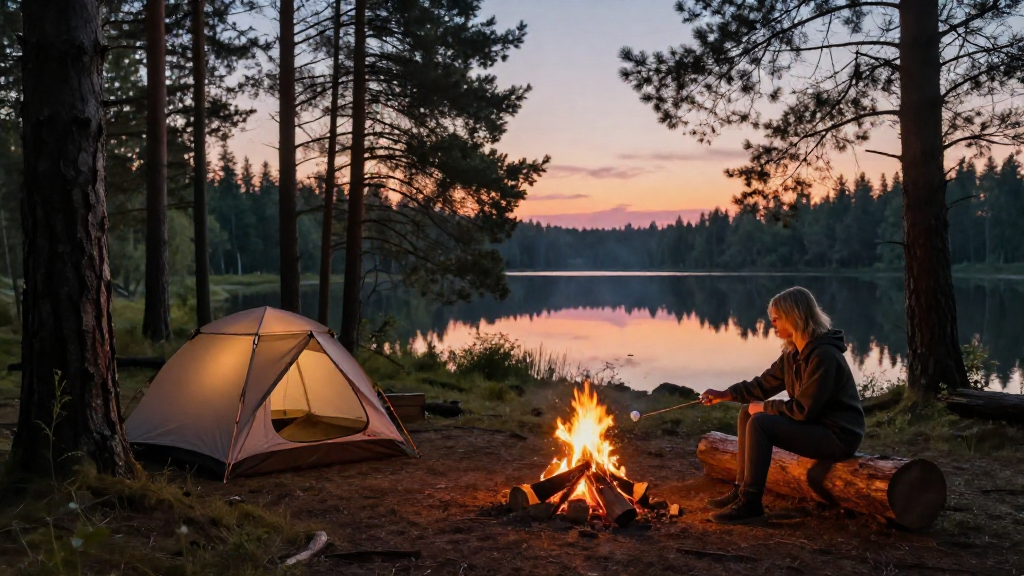
Camping outside campgrounds is an exhilarating way to immerse yourself in nature.
While traditional camping in designated areas is convenient, venturing into the wilderness opens up a world of adventure.
This guide will help you navigate the skills and knowledge required for successfully camping outside campgrounds.
What Are the Benefits of Camping Outside Campgrounds?
Camping outside campgrounds offers many unique advantages, including:
- Secluded Experience: Enjoy solitude away from crowded campgrounds.
- Freedom of Choice: Pick your own campsite in picturesque locations.
- Enhanced Adventure: Experience a sense of exploration and discovery.
- Better Wildlife Viewing: Encounter animals in their natural habitats without the noise of other campers.
These benefits make camping outside campgrounds appealing to adventurers seeking a more profound connection with nature.
What Do You Need to Know About Regulations?
Before embarking on your camping adventure outside campgrounds, it’s crucial to understand local regulations and guidelines.
- Research Area Restrictions: Some locations have stringent rules prohibiting overnight camping; familiarize yourself with these laws.
- Leave No Trace Principles: Always practice the seven Leave No Trace principles to protect the environment, including proper waste disposal and minimizing campfire impact.
- Permissions & Permits: In certain National Forests or BLM lands, you may need a permit for dispersed camping. Always verify requirements before heading out.
Knowing the regulations will keep you and the environment safe as you enjoy camping outside campgrounds.
How Can You Choose Suitable Locations for Camping Outside Campgrounds?
Finding the perfect camping spot can greatly enhance your overall experience. Here are some tips for identifying great locations:
- Use Online Resources: Websites and apps like AllTrails or Campendium provide valuable information about campsites outside designated campgrounds.
- Consult Local Guides: Speak with local forest rangers or park officials who can offer tips on good camping spots.
- Look for Established Sites: Even outside of campgrounds, you can often find existing fire rings or made clearings indicating where others have camped.
- Heightened Awareness: Avoid camping near water sources to minimize pollution risk and animal encounters.
By taking the time to choose your site wisely, you can enhance the quality of your camping experience outside campgrounds.
What Gear Is Essential for Camping Outside Campgrounds?
When venturing into the wild, packing the right gear is essential. Here’s a list of must-have items for camping outside campgrounds:
- Tent: A durable, weatherproof tent to protect against rain and wind.
- Sleeping Gear: An insulated sleeping pad and a sleeping bag rated for low temperatures.
- Cooking Gear: A portable stove, fuel, cookware, and eating utensils.
- Navigation Tools: A map, compass, and/or GPS device to ensure you stay on track while exploring the wilderness.
- Lighting and Safety Gear: A reliable flashlight or headlamp, first-aid kit, and multi-tool.
- Clothing: Appropriate layered clothing for changing weather conditions, including waterproof outer layers.
By ensuring that your gear is adequate, you can comfortably enjoy your time camping outside campgrounds.
How Do You Prepare for the Wilderness?
Preparation is vital when camping outside campgrounds. Here’s how to ensure you’re ready for your adventure:
- Plan Your Route: Familiarize yourself with trails and terrain.
- Check the Weather: Always check the forecast leading up to your trip to prepare for any expected changes.
- Share Your Plans: Let someone know your itinerary and expected return, even when camping outside campgrounds.
- Condition Your Body: Engage in physical workouts or hikes leading up to your camping date to build endurance.
Taking the time to prepare for your wilderness experience can enhance safety and enjoyment.
What Safety Tips Should You Follow While Camping Outside Campgrounds?
While the freedom of camping outside campgrounds is enticing, staying safe in the wilderness is paramount.
- Know Your Limits: Only take on trails and distances that match your skill level and physical condition.
- Wildlife Awareness: Familiarize yourself with local wildlife and how to handle encounters safely.
- Stay Hydrated: Ensure you have a reliable water purification method, whether through filters or tablets.
- Emergency Preparedness: Always pack extra food, a fully charged phone (with a power bank), and emergency supplies.
By following these safety tips, you can enjoy a more secure and enjoyable experience while camping outside campgrounds.
What Cooking Techniques Are Best for Outdoor Camping?
Cooking in the wilderness can be both fun and challenging. Here are some techniques for effective outdoor cooking:
- Use a Portable Stove: Quick and efficient for boiling water and cooking simple meals.
- Grill Over a Campfire: Create a traditional camping experience by grilling meats, vegetables, or even roasting marshmallows.
- Prepare Meals in Advance: Pre-cook meals at home and store them in airtight containers, making your outdoor cooking easier and quicker.
- Practice Campfire Cooking: Invest time in learning how to cook over an open flame; cast iron pans can be excellent for campfire meals.
Good food enhances your camping experience, and knowing efficient cooking techniques can simplify meal preparation.
How Do You Minimize Your Environmental Impact?
Preserving nature while camping outside campgrounds is paramount. Here are steps to minimize your environmental impact:
- Stick to Trails: Avoid trampling plants and create new paths by using established trails.
- Dispose of Waste Properly: Carry out all trash and use biodegradable soap; be sure to bury human waste in a proper “cathole” at least 200 feet from water sources.
- Avoid Gathering Firewood: Instead, consider bringing your own or using a camp stove to prevent overharvesting local resources.
- Use Eco-friendly Products: Whether it’s your clothing, soap, or fuel, opt for environmentally friendly options.
Following these guidelines helps ensure that the natural beauty of the outdoors remains intact for everyone to enjoy.
Conclusion: Is Camping Outside Campgrounds for You?
Camping outside campgrounds can be an exhilarating adventure, offering both freedom and solitude.
By understanding regulations, preparing adequately, and following safety tips, you can enjoy a fulfilling experience in the great outdoors.
If you’re yearning for a deeper connection with nature, consider giving camping outside campgrounds a try.
This thrilling experience could open up a world of awe, adventure, and unparalleled beauty. So pack your gear, respect the land, and embark on an unforgettable journey into the wild!