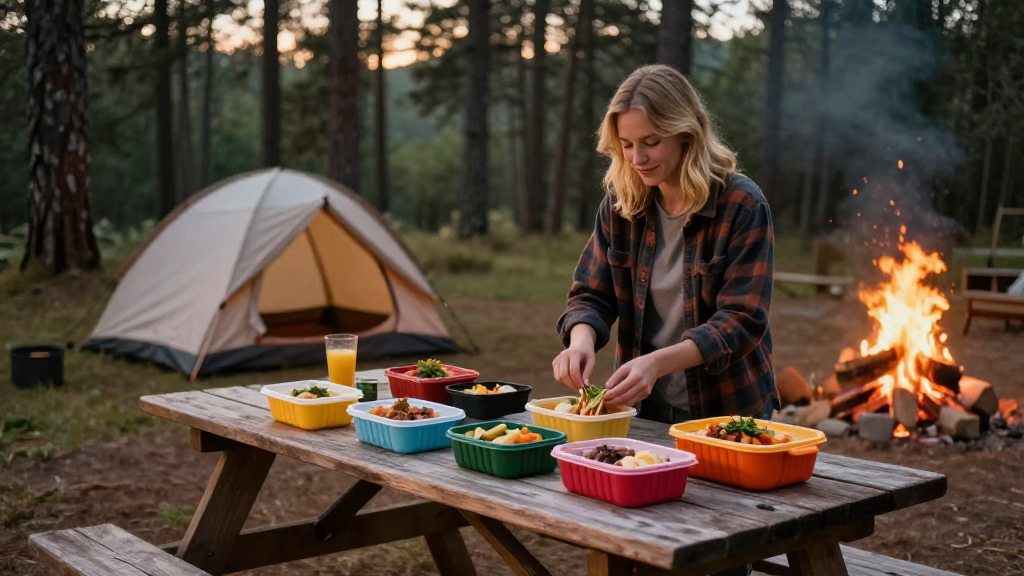
If you’re gearing up for an outdoor adventure, effective camping meal planning is essential to ensure you have nourishing and delicious food while enjoying nature’s beauty.
What is Camping Meal Planning?
Camping meal planning involves determining what meals to prepare before your trip and ensuring you have the right ingredients packed for your outdoor cooking experience.
It helps you save time, reduce food waste, and makes mealtime more enjoyable, especially when you’re surrounded by beautiful landscapes.
Why is Camping Meal Planning Important?
-
Organizational Benefits: Proper planning helps you avoid chaos. No one wants to rummage through bags for ingredients after a long hike.
-
Nutritional Value: Planning your meals allows you to maintain a balanced diet, ensuring you have the necessary calories and nutrients to support your energy levels during your outdoor activities.
-
Cost-Efficiency: By deciding on your meals ahead of time, you can reduce impulse purchases and stick to a budget.
-
Minimized Food Waste: When you plan your meals, you are far less likely to over-pack and waste food.
How Do You Start Camping Meal Planning?
Camping meal planning begins with a few straightforward steps:
-
Identify Your Trip Duration: Determine how many meals you need based on the number of nights you’ll be camping.
-
Consider Your Group Size: Make sure to tailor your meal quantities based on how many people you’ll be feeding.
-
Evaluate Your Cooking Setup: Depending on whether you have a full kitchen setup or just a portable stove, factor that into your planning.
What Meals Should You Include?
When it comes to camping meal planning, consider including a variety of meals that cater to different situations:
-
Breakfast Options:
– Oatmeal with dried fruits
– Breakfast burritos with eggs and veggies
– Granola bars and fruits for quick grabs -
Lunch Ideas:
– Sandwiches or wraps with deli meats and veggies
– Trail mix or energy bars for a lightweight option
– Rice salad with beans, corn, and avocado -
Dinner Recipes:
– One-pot pasta with garlic, cheese, and veggies
– Grilled burgers or veggie skewers
– Canned chili or soups for a hearty meal -
Snacks:
– Nuts and seeds
– Jerky or beef sticks
– Fresh fruits or vegetables (like carrots or celery sticks)
How Do You Prepare for Cooking in the Wild?
Preparation is key to successful camping meal planning. Here are some tips to make cooking easier at your campsite:
- Pre-Prep Ingredients: Chop vegetables and marinate proteins before your trip.
- Use Airtight Containers: Keep food fresh and protected from bugs using high-quality containers.
- Pack Cooking Essentials: Don’t forget your pots, pans, utensils, and a cutting board.
- Consider Easy Cooking Methods: Opt for foil-pack meals, which can be cooked over the campfire with minimal mess.
What Ingredients Should You Pack?
Choosing the right ingredients is vital for camping meal planning:
- Proteins:
- Canned beans or chickpeas (easy and long-lasting)
- Fresh chicken or ground beef (use on the first day)
-
Eggs (packed in a sturdy container)
-
Grains:
- Instant rice or couscous (quick cooking)
- Tortillas instead of bread (stores well)
-
Quinoa (healthy and nutritious)
-
Fresh Produce:
- Vegetables that store well like bell peppers and zucchini
- Apples and oranges for on-the-go snacks
-
Potatoes, perfect for various meals
-
Condiments and Spices:
- Salt, pepper, and oil (easy to pack small amounts)
- Soy sauce or hot sauce for flavor enhancements
How Do You Ensure Food Safety While Camping?
Food safety is paramount during camping meal planning. Here are some tips to maintain hygiene and prevent spoilage:
- Store Foods Properly: Keep perishable items in a cooler with plenty of ice.
- Separate Raw and Cooked Foods: Use different cutting boards and utensils to prevent cross-contamination.
- Cook Thoroughly: Ensure meats are cooked to the recommended internal temperature.
What Will You Drink?
Beverages are often overlooked in camping meal planning but can make a big difference.
-
Water: Always prioritize staying hydrated. Bring plenty of water along and consider a water filter if you’ll have access to lakes or rivers.
-
Coffee & Tea: Pack instant coffee or tea bags for a comforting drink in the morning.
-
Electrolytic Drinks: Consider packing electrolytic powders to mix with water to stay hydrated after physical activities.
How Do You Adapt Your Plans for Weather?
Weather can significantly alter your camping meal planning.
- Rainy Conditions: Pack ingredients that need minimal cooking or can be easily heated on a stove.
- High-Heat: Avoid perishable foods that can spoil in the heat. Opt for canned or dehydrated items.
- Cold Weather: Warm meals become comforting, so consider stews and soups that can be cooked in advance and heated.
Conclusion
Effective camping meal planning is all about preparation, organization, and flexibility.
By considering your trip duration, group size, and available cooking resources, you can create a fun and nutritious menu that caters to everyone’s tastes.
From breakfast burritos to hearty one-pot dinners, having the right meals prepared enhances your outdoor experience and keeps you energized for adventure.
Ensure you follow food safety guidelines, choose the right ingredients, and adapt based on the weather, and you’ll make your camping experience even more memorable.
So, grab your gear, grab your recipes, and embark on a culinary adventure in the great outdoors!