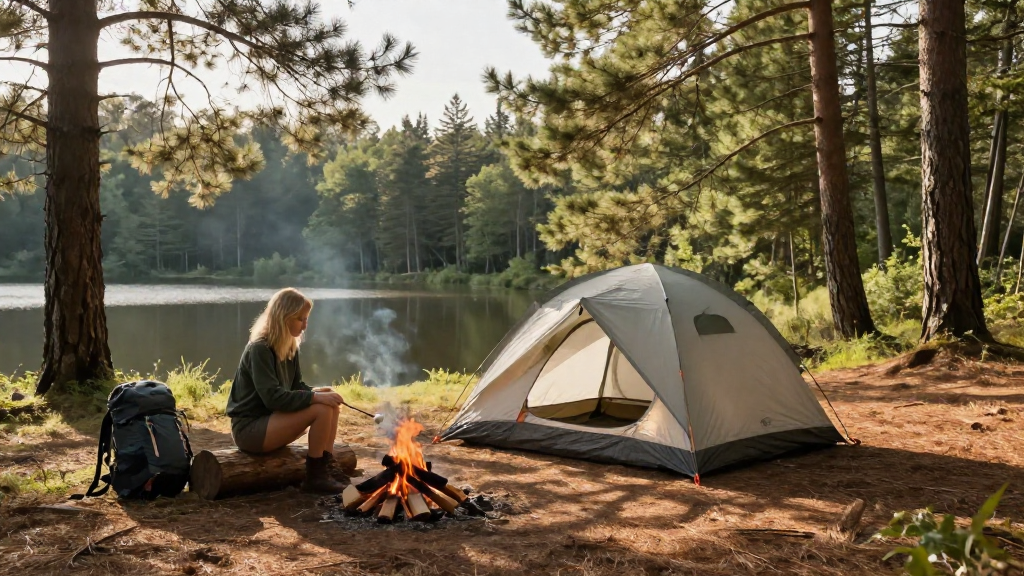
Camping in state parks can be one of the most rewarding outdoor experiences.
With stunning landscapes, diverse wildlife, and a chance to disconnect from everyday life, camping in state parks draws millions each year.
However, successful camping requires some planning and knowledge.
In this article, we’ll explore how to camp in state parks, providing tips, tricks, and insights to make your adventure enjoyable and memorable.
What Are the Benefits of Camping in State Parks?
Camping in state parks offers numerous advantages:
- Natural Beauty: State parks often boast breathtaking scenery, from majestic mountains to serene lakes.
- Wildlife Encounters: You have opportunities to see unique flora and fauna native to the area.
- Recreational Activities: Many parks provide hiking, fishing, swimming, and biking options.
- Cost-Effective: Compared to private campgrounds or hotels, state park fees tend to be lower.
These benefits make camping in state parks an appealing choice for nature lovers and families alike.
What Gear Do You Need for Camping in State Parks?
Packing the right gear is crucial for a successful camping experience. Here’s a breakdown of essential items to consider:
Shelter and Sleeping Equipment
- Tent: Choose a durable and weather-appropriate tent based on your group size.
- Sleeping Bag: Ensure it’s rated for the expected temperatures.
- Sleeping Pad: Provides insulation and comfort on the ground.
Cooking and Food Supplies
- Camp Stove or Grill: A portable stove is often more reliable than building a fire.
- Utensils and Cookware: Bring pots, pans, knives, plates, and utensils suitable for outdoor cooking.
- Food Storage: Use coolers and bear-proof containers as necessary.
Clothing and Personal Items
- Clothing Layers: Dress according to weather conditions and include waterproof layers.
- Hiking Boots: Sturdy shoes are essential for exploring trails.
- First Aid Kit: Ensure you have basic first aid supplies for emergencies.
How to Choose a Campsite in State Parks?
Selecting the right campsite can significantly impact your camping experience. Here are some tips for choosing the perfect spot:
Research Campsites Ahead of Time
- Check Availability: State parks can be popular, especially in peak seasons. Reserve your site in advance when possible.
- Read Reviews: Look at feedback from other campers for insights on the campground.
Consider Your Preferences
- Proximity to Water: Campsites near lakes, rivers, or beaches can enhance your experience.
- Seclusion vs. Socializing: Decide if you prefer an isolated spot or a site close to fellow campers for social activities.
Understand the Rules and Regulations
- Know the Park Policies: Familiarize yourself with specific guidelines regarding campfires, noise levels, and animal encounters.
- Respect Nature: Follow Leave No Trace principles to minimize your impact.
What Should You Bring for Cooking While Camping in State Parks?
Cooking while camping can be a wonderful experience, but you should be well-prepared. Here are essential items to bring for cooking safely:
- Portable Grill: A compact grill is perfect for cooking meals outdoors.
- Cookware: Consider bringing a set of lightweight pots and pans.
- Food Storage Containers: Use airtight containers to keep food fresh and protected from wildlife.
Additionally, don’t forget the essentials, such as utensils, seasonings, and dish soap for cleanliness.
How Can You Stay Safe While Camping in State Parks?
Safety is a priority during your camping adventures. Follow these tips to ensure a secure experience:
Stay Aware of Your Surroundings
- Wildlife Safety: Learn about the local wildlife and how to coexist peacefully.
- Weather Monitoring: Always check the weather forecast before and during your trip.
Emergency Preparedness
- First Aid Kit: Have a well-stocked first aid kit ready for minor injuries.
- Emergency Contact: Inform someone about your camping plans and location.
Fire Safety
- Campfire Guidelines: Build campfires in designated areas and keep them manageable.
- Extinguish Properly: Make sure the fire is completely out before leaving the area.
What Activities Can You Enjoy While Camping in State Parks?
Camping in state parks offers a variety of activities that cater to different interests. Here’s a look at some activities you can enjoy:
Hiking Trails
- Explore Nature: Many state parks feature well-marked trails that showcase local flora and fauna.
- Photography Opportunities: Capture stunning vistas and wildlife with your camera.
Fishing and Swimming
- Fishing: If the park allows fishing, bring your gear and enjoy a day by the water.
- Swimming: Check for designated swimming areas for a refreshing dip.
Star Gazing
- Clear Skies: Enjoy the beauty of the night sky away from city lights.
- Constellation Identification: Take a star map along to identify constellations.
How to Leave No Trace While Camping in State Parks?
Practicing Leave No Trace principles is essential for preserving the beauty of natural areas. Here are some guidelines to follow:
Respect Wildlife
- Observe from a Distance: Don’t feed or approach wild animals.
- Follow Regulations: Adhere to park rules regarding wildlife interactions.
Proper Waste Disposal
- Pack It Out: Leave no trash behind. Carry out everything you brought in.
- Use Designated Toilets: Take advantage of bathroom facilities when available.
Minimal Impact Camping
- Stay on Trails: Avoid trampling vegetation by sticking to established pathways.
- Choose Durable Surfaces: If you need to set up outside designated campsites, use areas that are already disturbed.
Conclusion: Embrace the Adventure of Camping in State Parks
Camping in state parks is an enriching experience that connects you with nature and creates lasting memories.
By preparing appropriately, respecting the environment, and embracing the activities offered, your camping adventure can become a cherished tradition.
Whether you’re a solo backpacker, a family camper, or a couple seeking a romantic retreat, state parks provide diverse landscapes and experiences that cater to everyone.
So, pack your gear, choose your park, and embark on a memorable journey into the great outdoors!