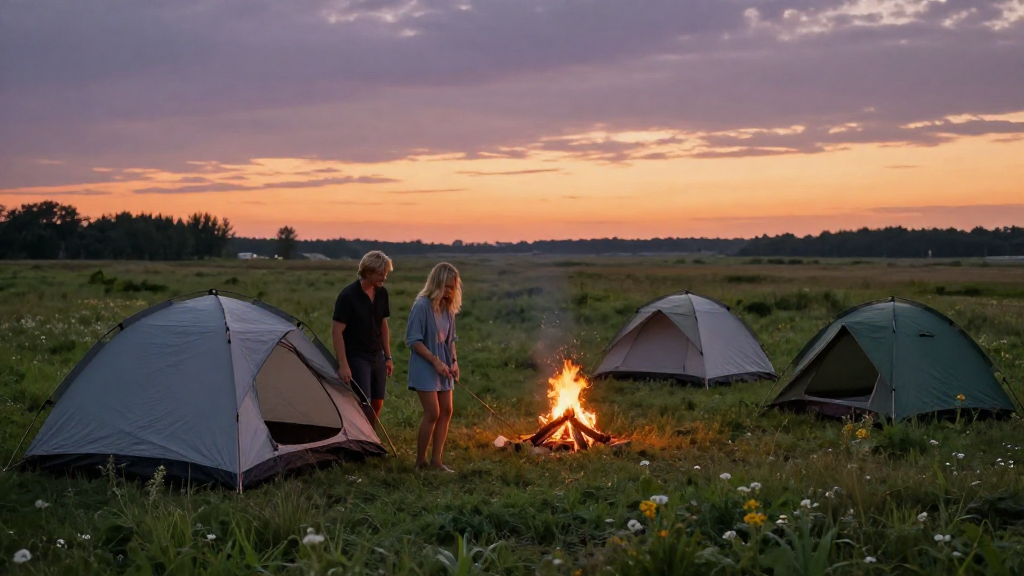
Camping in open fields can be a refreshing and exhilarating experience for outdoor enthusiasts.
The vastness of these spaces allows campers to connect with nature in a unique way.
Whether you are new to camping or looking to refine your skills, this comprehensive guide will walk you through everything you need to know about camping in open fields.
From preparation to safety tips, we’ve got you covered.
What Should You Consider Before Camping in Open Fields?
Before you set off on your adventure, there are several factors to consider.
- Location: Choose an open field that is accessible and legal for camping.
- Weather Conditions: Check the weather forecast to ensure your camping experience is pleasant.
- Ground Conditions: Look for a level area free from rocks, branches, or sharp objects.
- Wildlife: Be aware of local wildlife that could be a risk to your safety; research any potential hazards.
- Permits and Regulations: Ensure you have the proper permits if required and adhere to any local camping regulations.
What Gear Do You Need for Camping in Open Fields?
When preparing for camping in open fields, having the right gear can make or break your experience. Here’s a list of essential equipment you should bring:
Shelter and Sleeping
- Tent: A lightweight, portable tent that can withstand wind is ideal.
- Sleeping Bag: Choose one suitable for the season and temperature range.
- Sleeping Pad: Provide insulation and comfort from the ground.
Cooking and Eating
- Portable Stove: Opt for a compact model that can use propane or butane fuel.
- Cookware: Lightweight pots and pans are essential.
- Cooler: If you plan to bring perishable food, consider a small cooler.
- Utensils: Don’t forget plates, cups, and utensils.
Safety and Navigation
- Map and Compass or GPS: Essential for navigating open spaces.
- First Aid Kit: A must-have for any camping trip.
- Multi-tool or Knife: Useful for various tasks around the campsite.
Clothing and Personal Items
- Weather-Appropriate Clothing: Dress in layers to deal with changing temperatures.
- Sturdy Footwear: Hiking boots or sturdy shoes will provide support and comfort.
- Sun Protection: Sunglasses, hats, and sunscreen are essential to ward off harsh sun.
How Do You Set Up Camp in Open Fields?
Once you arrive at your open field destination, it’s time to set up camp properly.
Here’s a step-by-step guide:
-
Choose the Right Spot: Look for natural windbreaks like trees or shrubs to protect your tent.
-
Clean the Area: Remove any debris such as sticks, stones, and trash from your chosen site.
-
Pitch Your Tent:
– Unpack the tent and lay it flat.
– Assemble the poles and connect them to the tent fabric.
– Secure the tent stakes firmly into the ground to prevent it from blowing away. -
Set Up the Cooking Area: If you’re cooking outdoors, designate a separate area away from your sleeping quarters to prevent attracting wildlife.
-
Establish a Fire Pit: If fires are permitted, dig a small pit and surround it with rocks to contain the fire. Follow local regulations regarding campfires.
What Are Some Safety Tips for Camping in Open Fields?
While camping in open fields can be a fantastic experience, safety is paramount. Here are several tips to ensure a safe camping adventure:
Beware of Overhead Hazards
- Avoid camping beneath dead trees or branches that could fall.
Understand Weather Patterns
- Know the signs of changes in weather conditions.
- Have an emergency plan in case of severe storms or other adverse weather.
Wildlife Safety
- Store food securely to deter animals.
- Keep a safe distance from all wildlife.
Fire Safety
- Always monitor your campfire.
- Extinguish it completely before leaving the campsite.
Stay Hydrated
- Drink plenty of water, especially if you’re hiking or exercising.
How Can You Enhance Your Camping Experience?
With the essentials covered, it’s time to make your camping adventure even more enjoyable. Here are some ideas:
- Bring Games: Portable games like frisbee or cards can add fun to your evenings.
- Photography: Capture the natural beauty around you; open fields offer stunning landscapes.
- Stargazing: Spend the night watching the stars. Open fields provide an unobstructed view of the night sky.
- Group Activities: Plan group activities such as hiking, fishing, or nature walks.
- Cook Together: Meal prep can be a fun group activity, enhancing camaraderie among campers.
What Should You Do When Leaving the Camp?
When it’s time to pack up, it’s vital to leave the area as you found it.
Here are some final steps to follow:
- Clean the Campsite: Pick up all trash, including food scraps and personal items.
- Dismantle Your Tent: Carefully disassemble and pack your tent and gear.
- Extinguish the Fire: Make sure any fire is completely out and cold to the touch.
Leave No Trace
- Follow the Leave No Trace principles to ensure that nature remains beautiful for future generations.
Conclusion
Camping in open fields can be an unforgettable experience, combining adventure and tranquility.
By selecting the right location, preparing adequately, and adhering to safety tips, you’ll enjoy the freedom that open spaces have to offer.
Incorporate fun activities and respect for the environment, and you will create lasting memories.
Now that you’re equipped with the knowledge to make your open field camping adventure successful, it’s time to gather your gear, find your perfect spot, and enjoy the great outdoors!