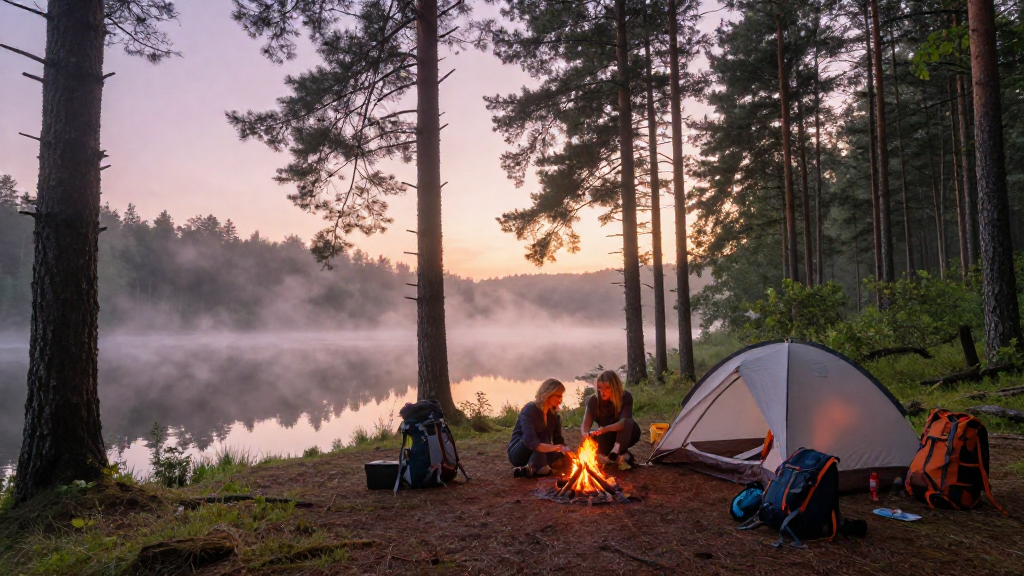
Planning a trip camping in national parks can be an exhilarating experience that connects you with nature.
However, it requires careful consideration and preparation.
This guide will walk you through the essential steps to make your trip memorable and enjoyable while ensuring you follow best practices for camping in national parks.
Why Choose National Parks for Camping?
National parks offer stunning scenery, biodiversity, and adventurous activities that make them ideal for camping.
The Benefits of Camping in National Parks
-
Natural Beauty: National parks are renowned for their breathtaking landscapes, whether it’s lush forests, towering mountains, or tranquil lakes.
-
Wildlife Viewing: Many national parks are home to diverse wildlife. From bear sightings to birdwatching, each park offers unique opportunities to connect with nature.
-
Outdoor Recreation: Camping in national parks provides easy access to hiking, kayaking, fishing, and many other outdoor activities.
-
Cultural Heritage: Many parks protect historical sites and cultural resources, offering campsites close to rich histories and indigenous cultures.
When Is the Best Time to Go Camping in National Parks?
The best time for camping in national parks often depends on the park itself.
Consider Seasonal Factors
-
Spring: Ideal for wildflower blooms and mild temperatures but be aware of possible rain.
-
Summer: Perfect for family vacations; however, this season can lead to crowded campsites and high temperatures in some regions.
-
Fall: Offers breathtaking autumn foliage and cooler weather, but be prepared for shorter days.
-
Winter: While some parks may be less accessible, winter camping offers unique landscapes and solitude in places like Yellowstone or Glacier National Park.
What Gear Do You Need for Camping in National Parks?
Packing wisely is crucial for a successful trip camping in national parks.
Essential Camping Gear Checklist
-
Tent: Lightweight, waterproof, and spacious enough to accommodate your group.
-
Sleeping Bag: Choose a sleeping bag rated for the low temperatures you might encounter at night.
-
Cooking Equipment: A portable stove, utensils, and food storage containers.
-
First Aid Kit: Be prepared for any injuries, insect bites, or illnesses during your trip.
-
Navigation Tools: A map, compass, or GPS device, plus a fully charged phone for emergencies.
-
Appropriate Clothing: Layering is key. Include moisture-wicking materials, warm layers, and waterproof gear.
-
Food and Water: Plan meals and ensure you have enough water or a filtration system.
-
Fire Supplies: Matches, fire starters, and kindling. Check park regulations on campfires before proceeding.
How Can You Make Reservations for Camping in National Parks?
Most national parks require reservations for camping sites.
The Reservations Process
-
Identify Your Park: Decide which national park you’d like to visit.
-
Check Availability: Look at the park’s official website for availability and any specific regulations.
-
Book Early: Popular parks can fill up quickly, sometimes months in advance, so make reservations as soon as your plans are firm.
-
Understand the Fees: Review camping fees and cancellation policies to avoid unexpected costs.
-
Group Size: Some parks have limits on group sizes, so be aware of these when making your reservation.
What Should You Know About Safety When Camping in National Parks?
Safety is paramount when camping in national parks.
Essential Safety Tips
-
Bear Storage: Always store food in bear-proof containers when in bear country.
-
Stay on Trails: Minimize your impact and protect natural resources by staying on marked trails.
-
Wildlife Encounters: Learn how to behave around wildlife; never approach or feed animals.
-
Stay Hydrated: Drink plenty of water, especially during physically demanding activities.
-
Know Park Regulations: Familiarize yourself with rules concerning campfires, wildlife, and campsite cleanliness.
How Can You Enjoy Nature Responsibly?
Practicing Leave No Trace principles is crucial for preserving the beauty of national parks.
Key Leave No Trace Principles
-
Plan Ahead and Prepare: Know the area you are visiting and pack accordingly.
-
Travel and Camp on Durable Surfaces: Stick to established sites to prevent damage to vegetation.
-
Dispose of Waste Properly: Carry out what you carry in, and be sure to respect wildlife and other campers.
-
Leave What You Find: Don’t remove rocks, plants, or historical items.
-
Minimize Campfire Impact: Use a camp stove for cooking, and be cautious when building a fire.
-
Respect Wildlife: Observe from a distance but do not disturb habitats.
-
Be Considerate of Other Visitors: Keep noise levels down and be mindful of shared spaces.
What Activities Can You Try While Camping in National Parks?
Camping in national parks opens up a world of adventure.
Popular Activities to Consider
-
Hiking: Explore scenic trails that vary in difficulty and length.
-
Fishing: Test your skills on lakes and rivers in designated areas.
-
Kayaking or Canoeing: Enjoy the serene waters of certain national parks.
-
Photography: Capture stunning landscapes, wildlife, and sunrises/sunsets.
-
Stargazing: Many national parks have low light pollution, providing excellent opportunities for stargazing.
What to Do If Plans Change?
Sometimes, your plans for camping in national parks may need to be altered.
Tips for Adjusting Your Plans
-
Research Alternate Parks: If your first choice is fully booked or closed, have alternate parks in mind.
-
Consider Off-Peak Times: Visit during weekdays or shoulder seasons to avoid crowds.
-
Be Flexible with Activities: If weather conditions are poor, look for indoor options or shorter trails.
-
Stay Positive: Embrace the spontaneity of nature; sometimes unplanned adventures turn out to be the most memorable.
Conclusion
Planning a trip camping in national parks can be a fulfilling experience, offering endless opportunities for adventure and relaxation.
Remember to prepare adequately, practice safety, and engage with nature responsibly to ensure a fun and memorable outing.
With careful attention to detail, your journey camping in national parks can become an unforgettable trek through the wilderness.
So gather your gear, choose your park, and get ready for an exhilarating experience immersed in the beauty of the natural world!