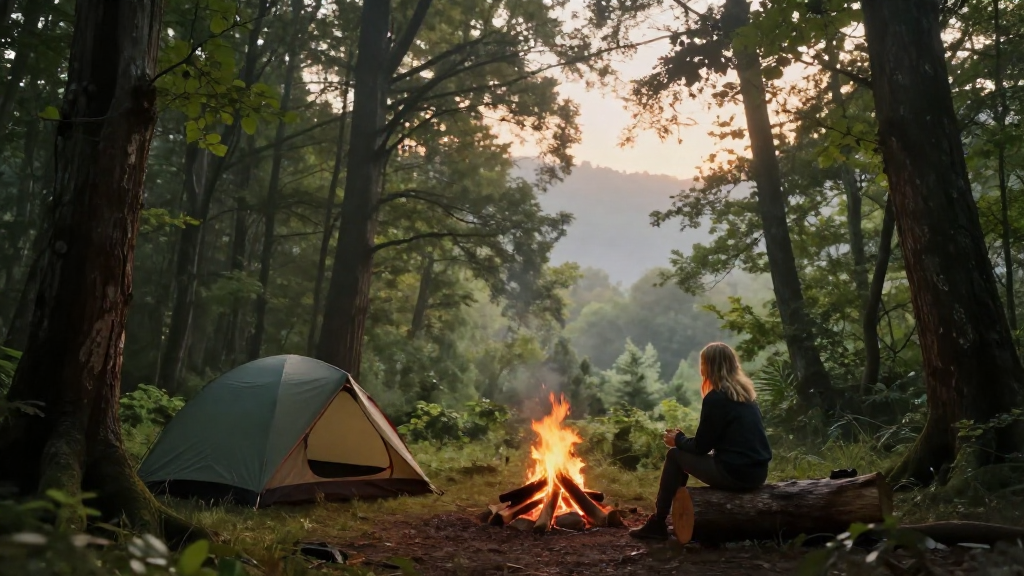
If you’re planning an adventure in the great outdoors, here’s what to know before camping in forests.
Camping in forests can be one of the most rewarding experiences, offering tranquility, a connection with nature, and the chance to escape the hustle and bustle of daily life. However, to make the most of your adventure, it’s crucial to be informed and prepared.
Here’s what you need to keep in mind before you embark on your forest camping journey.
What Are the Benefits of Camping in Forests?
Camping in forests offers numerous benefits:
-
Natural Beauty: Breathtaking scenery, from towering trees to breathtaking wildlife.
-
Fresh Air: Breathing in the clean, crisp air revitalizes your body and mind.
-
Wildlife Encounters: Experience the charm of observing animals in their natural habitat.
-
Adventure Opportunities: Hiking, fishing, and exploring await just outside your tent.
-
Disconnect from Technology: A chance to unplug and connect with nature.
What Should You Prepare Before Camping in Forests?
Preparation is key to a successful camping trip. Here’s what you should consider:
1. Research Your Campsite
Not all forests are created equal!
-
Check Regulations: Look for rules regarding campfires, wildlife, and waste disposal.
-
Know Your Route: Familiarize yourself with maps and GPS options in case of losing signal.
-
Look for Amenities: Find out if there are facilities like restrooms or water sources.
2. Pack the Right Gear
Packing the right equipment is crucial. Here’s a list to consider:
-
Tent: Make sure it’s durable and suitable for the weather conditions.
-
Sleeping Bag: Choose one that’s appropriate for the temperature you expect.
-
Cooking Supplies: Bring a portable cooking system and utensils.
-
First Aid Kit: Always pack a comprehensive first aid kit.
-
Clothing: Layering is essential; include moisture-wicking clothes and waterproof gear.
3. Food and Water
What’s on the menu?
-
Non-perishable Snacks: Bring energy-dense foods like nuts, jerky, and granola bars.
-
Meal Planning: Prepare meals in advance and bring necessary cooking supplies.
-
Hydration: Always pack enough water or have a way to purify natural sources.
What Are the Safety Considerations for Camping in Forests?
Safety should always be a priority when camping in forests.
1. Wildlife Awareness
Understanding the local wildlife is essential.
-
Bear Safety: Learn about bear encounters and how to store food properly.
-
Avoid Attracting Animals: Dispose of waste correctly and keep food sealed.
2. Weather Preparedness
The weather can be unpredictable in forested areas.
-
Check the Forecast: Always look up the weather before you go.
-
Pack for Rain: Include a waterproof jacket and keep gear dry.
3. Navigation Skills
Getting lost is a common concern in dense forests.
-
Bring a Map and Compass: Always have traditional navigation tools in case of GPS failure.
-
Familiarize Yourself with the Area: Know your landmarks to help navigate.
How Can You Respect Nature While Camping in Forests?
When camping in forests, it’s vital to leave no trace and respect the environment.
1. Leave No Trace Principles
Follow these guidelines to minimize your impact:
-
Stay on Trails: Prevent erosion by sticking to established paths.
-
Pack Out What You Pack In: Carry out all trash and leftover food.
-
Respect Wildlife: Observe from a distance and never feed animals.
2. Campfire Etiquette
If fires are permitted, follow these rules:
-
Use Established Fire Pits: While camping in forests, only use designated fire rings.
-
Extinguish Fires Completely: Ensure fires are cold before leaving.
What Should You Do in Case of an Emergency?
Despite preparation, emergencies can still happen.
1. Have an Emergency Plan
An emergency plan is your lifeline.
-
Cell Phones and Emergency Numbers: Know the local emergency numbers.
-
Emergency Kit: Include a whistle, flashlight, and extra food.
2. First Aid Knowledge
Knowing basic first aid can save lives.
-
Injury Treatment: Learn how to treat cuts, scrapes, and bites.
-
Recognize Symptoms: Be aware of symptoms of hypothermia or dehydration.
What Gear Enhances Your Camping Experience?
Camping in forests can be more enjoyable with the right gear.
1. Quality Cooking Gear
A good cooking setup can elevate your meal experience.
-
Portable Stove: A lightweight stove is perfect for cooking.
-
Cooking Utensils: Bring pots, pans, and spatulas.
2. Comfortable Sleeping Gear
Sleep is vital for energy.
-
Sleeping Pads: These provide insulation and cushioning for better sleep.
-
Camp Pillows: While optional, they can significantly enhance comfort.
What Are the Best Types of Forests for Camping?
Think about the type of forest experience you want.
1. Deciduous Forests
These forests change with the seasons.
-
Beautiful Fall: Expect vibrant colors in autumn.
-
Wildlife: Great for birdwatching and spotting deer.
2. Coniferous Forests
Evergreen trees dominate these regions.
-
Year-round Camping: Great for any season as they typically remain green.
-
Cooler Climate: Enjoy a refreshing atmosphere during summer.
3. Rainforests
For the adventurous souls.
-
Unique Ecosystems: Experience diverse flora and fauna.
-
High Humidity: Be prepared for wet conditions and pack waterproof gear.
Conclusion: What to Remember About Camping in Forests?
Camping in forests is a magical way to connect with nature, recharge, and enjoy peace away from the chaos of modern life.
-
Be Prepared: Research, plan, and pack wisely for your journey.
-
Respect Nature: Follow best practices to protect the environment.
-
Stay Safe: Awareness and preparation can help mitigate risks.
With the right preparation, you’ll create lasting memories camping in forests. Enjoy your adventures, and may your trips be filled with wonder and discovery!