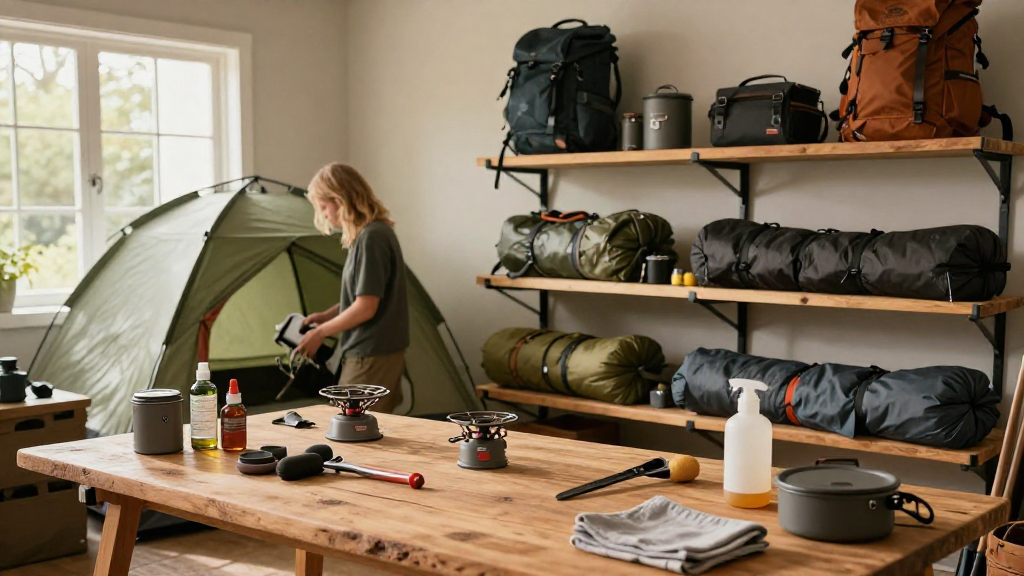
Maintaining your camping gear is essential for ensuring its longevity and performance during outdoor adventures.
In this comprehensive guide, we will explore various aspects of camping gear maintenance, including essential tips, cleaning techniques, and storage practices.
Why is Camping Gear Maintenance Important?
Camping gear maintenance is crucial for several reasons:
- Safety: Damaged gear can lead to accidents.
- Performance: Well-maintained equipment performs better.
- Longevity: Regular maintenance extends the life of your gear.
- Cost-effectiveness: Proper maintenance saves money in the long run by preventing costly replacements.
By following proper camping gear maintenance practices, you can ensure that your equipment is always ready for your next adventure in the great outdoors.
What Are the Basic Steps for Camping Gear Maintenance?
Maintaining your camping gear involves several basic steps that can be easily adapted to suit different types of equipment. Here’s what you need to do:
1. Clean Your Gear Regularly
Cleaning camping gear is the first step in effective camping gear maintenance. Here’s how to do it:
-
Backpacks: Empty your backpack after each trip. Use a damp cloth to wipe down any dirt or residue, focusing on the straps and zippers. For deeper cleaning, check the manufacturer’s instructions.
-
Tents: Shake off dirt and debris before folding your tent. Consider using a tent-specific cleaner to wash it, and always dry it thoroughly before storing it to prevent mold and mildew.
-
Sleeping Bags: Follow the cleaning instructions on your sleeping bag. Most can be washed in cold water and air-dried; however, check for any specific challenges if it’s insulated or has sensitive materials.
-
Cooking Equipment: Clean cooking pots, pans, and utensils with soap and warm water after each use. Always dry them thoroughly before packing.
2. Inspect for Damage
Regular inspections are essential for effective camping gear maintenance. Check for:
-
Tents: Look for any tears in the fabric or issues with zippers and seams.
-
Sleeping Bags: Check for broken zippers or insulation that has shifted.
-
Backpacks: Inspect straps for wear, tears, or damage to buckles.
-
Cooking Gear: Ensure that there are no dents in pots or pans and that all pieces are intact.
3. Store Gear Properly
How you store your camping gear matters significantly in camping gear maintenance. Here are some storage tips:
-
Climate Control: Store your gear in a cool, dry place away from direct sunlight to prevent deterioration.
-
Avoid Compression: Keep sleeping bags and tents loose in storage rather than compressed. This helps retain their shape and insulation properties.
-
Organize: Use bins or shelves to keep your gear organized, making it easier to access during your next outing.
How Often Should You Perform Camping Gear Maintenance?
Regular maintenance is crucial, but how often should you carry it out?
-
After Every Trip: Conduct a thorough cleaning and inspection after each camping trip before storing your gear.
-
Seasonally: At the start of each camping season, perform a detailed inspection and cleaning of all equipment.
-
Before Big Trips: Give gear a fresh check and clean right before long or significant camping trips to ensure everything is functioning optimally.
What Special Considerations are There for Specific Gear?
Some camping gear requires special attention. Let’s delve into considerations for specific items:
Tents
-
Seam Sealing: Check seams and reapply waterproofing sealant as needed to prevent leaks. This should be done at the start of each season.
-
Poles and Stakes: Check for bends or breaks and replace as necessary. Always pack stakes separately to avoid damaging the tent’s fabric.
Sleep Systems
-
Sleeping Pads: Ensure that there are no punctures or leaks. Use a repair kit for small holes.
-
Sleeping Bags: Ensure they are fully aired out and repaired before storage.
Cooking Equipment
-
Fire Pits and Grills: Clean after each use to remove grease and residue.
-
Cooking Utensils: Make sure they are not warped from high heat and that all parts fit together correctly.
What Should You Do When Gear Gets Damaged?
If you notice any damage during your camping gear maintenance, don’t panic. Here’s what you can do:
-
Repair Kits: Keep a small repair kit for emergencies, including duct tape, a needle, thread, and patch materials for tents and sleeping bags.
-
Manufacturer’s Instructions: Always refer to the manufacturer’s guidelines for repair, especially for specialty gear.
-
Professional Services: For significant issues that you can’t fix on your own, consider reaching out to professional gear repair services.
Conclusion: The Importance of Consistent Camping Gear Maintenance
In summary, regular camping gear maintenance is the cornerstone of enjoyable outdoor experiences.
By ensuring that all your gear is clean, inspected, stored properly, and repaired when needed, you guarantee better performance, safety, and longevity.
Embrace the Adventure: Making an effort to care for your camping gear not only enhances your safety and comfort but also reduces long-term costs.
Always remember that well-maintained gear is your best ally in the great outdoors! With the right care, your camping equipment can accompany you on many adventures to come.