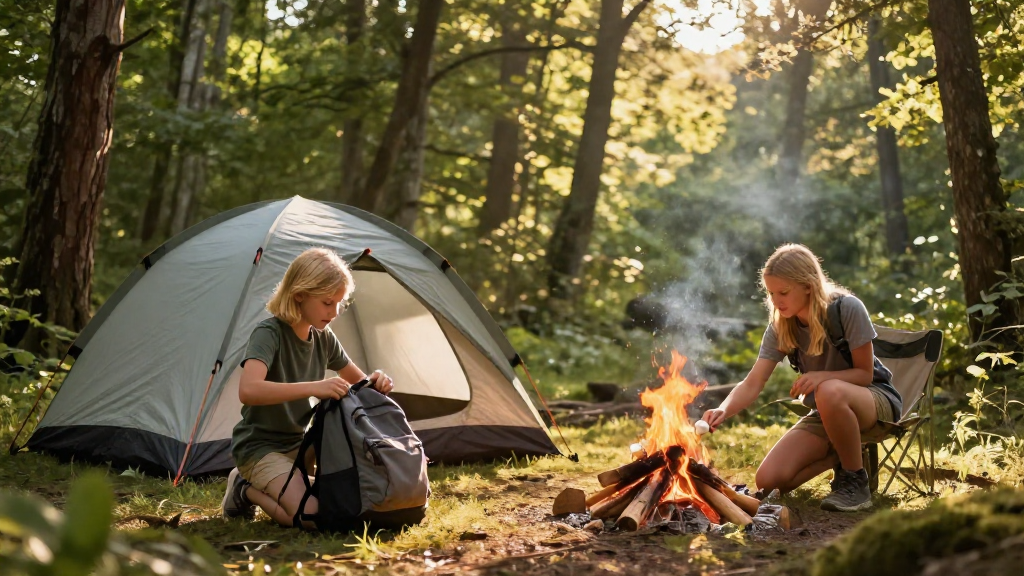
Planning a camping school trip can be an exciting adventure for both students and teachers.
It combines education and nature, providing students with the opportunity to learn outside the classroom.
In this article, we will explore how you can effectively plan a camping experience that caters to educational goals while ensuring a memorable and enjoyable experience.
Why Choose Camping for School Trips?
Camping for school trips is not just about being outdoors; it’s about fostering teamwork, enhancing interpersonal skills, and providing real-world learning experiences.
Here are some benefits of camping for school trips:
-
Enhances Learning: When students are immersed in nature, they can learn about ecosystems, survival skills, and environmental conservation firsthand.
-
Builds Team Spirit: Students work together to set up tents, prepare meals, and participate in group activities. This teamwork fosters friendships and collaboration.
-
Develops Life Skills: Camping requires independence and responsibility, where students take part in planning and executing daily tasks.
-
Encourages Physical Activity: Outdoor activities such as hiking, canoeing, and orienteering promote physical fitness.
What Should Be Considered Before Planning?
When planning camping for school trips, several factors need to be considered to ensure a seamless experience.
1. What Permits Do You Need?
Before selecting a camping location, check if you need any permits.
Some parks and campsites require permits for group camping.
Always ensure that you have:
- Camping permits
- Insurance documents
- Waivers for students
2. What is Your Budget?
Setting a budget is crucial in the planning process.
Your budget will determine various aspects of the trip, including:
- Transportation costs
- Campsite fees
- Food and supplies
- Activity fees and equipment rentals
Always try to factor in extras for unexpected expenses.
3. How Will You Get There?
Consider how you will transport students to the campsite.
Options include:
- School buses
- Chaperoned cars
- Public transport
Make sure to have a plan for transporting all gear and supplies necessary for camping.
How to Choose a Suitable Camping Location?
Selecting the right campsite is key to a successful camping school trip.
1. What Are the Amenities?
Different campsites offer varying amenities.
Consider the following when researching potential sites:
- Restrooms and showers
- Running water
- Fire pits and picnic tables
2. Where Is It Located?
Accessibility is critical.
Choose a campsite that is:
- Close enough for easy transport
- Within reasonable distance from emergency services
- Safe and secure for students
3. What Activities Are Available?
Look for campsites that offer various educational and recreational activities. Activities can include:
- Nature hikes
- Team-building exercises
- Environmental education programs
4. What Are the Safety Guidelines?
Safety is paramount during school trips.
Ensure that:
- The location has a good safety record
- Emergency services are nearby
- All activities are age-appropriate and safe
How to Prepare Students for Camping?
Preparation is key for a successful camping school trip.
1. What Gear Do Students Need to Bring?
Communicate clearly with parents regarding what students need to bring.
A packing list might include:
- Sleeping bags
- Tents (if not provided)
- Appropriate clothing and footwear
- Personal hygiene items
- Flashlights and batteries
2. How Can You Foster Skills?
Before the trip, consider conducting workshops that cover essential skills, such as:
- Setting up a tent
- Cooking over a campfire
- Basic first aid
These skills will help students feel more confident and prepared.
3. How to Ensure Everyone Is Comfortable?
Take into account students with special needs or dietary restrictions.
Make sure you have:
- Accommodations for students with allergies
- Vegetarian or vegan meal options
- Comfortable sleeping arrangements
What Activities Can You Plan for a Camping School Trip?
Planning engaging activities is vital to keep students entertained while they learn.
1. Educational Activities
Consider organizing activities focused on learning, such as:
- Guided hikes with a focus on local flora and fauna
- Workshops on environmental sustainability
- Star gazing sessions with an astronomy guide
2. Fun Team-Building Games
Incorporate some fun to build camaraderie among the students. Activities may include:
- Treasure hunts
- Campfire storytelling
- Team sports
3. Reflection and Journaling
Encourage students to keep a journal of their experience.
Suggest they write about:
- What they learned
- Personal reflections on the trip
- Goals for the future
How to Evaluate the Trip?
After returning from your camping for school trip, it’s essential to evaluate the experience.
1. What Went Well?
Discuss with both students and teachers what aspects they enjoyed.
Gather feedback on:
- Food quality
- Activity engagement
- Site accommodations
2. What Could Be Improved?
Use this opportunity to identify any areas for improvement.
Questions to consider might include:
- Were there enough activities scheduled?
- Did everyone feel included?
3. How to Implement Feedback in Future Trips?
Use the feedback gathered to enhance future camping trips.
Consider establishing a review process before planning the next trip.
In Conclusion
Planning successful camping for school trips requires careful consideration and preparation.
From selecting a suitable campsite to preparing engaging activities, each step counts toward ensuring a memorable adventure for students.
By following these guidelines, educators can orchestrate an enriching experience that instills a love of nature, teamwork, and learning outside the traditional classroom setting.
Remember, the memories and friendships formed during these trips can last a lifetime! Happy camping!