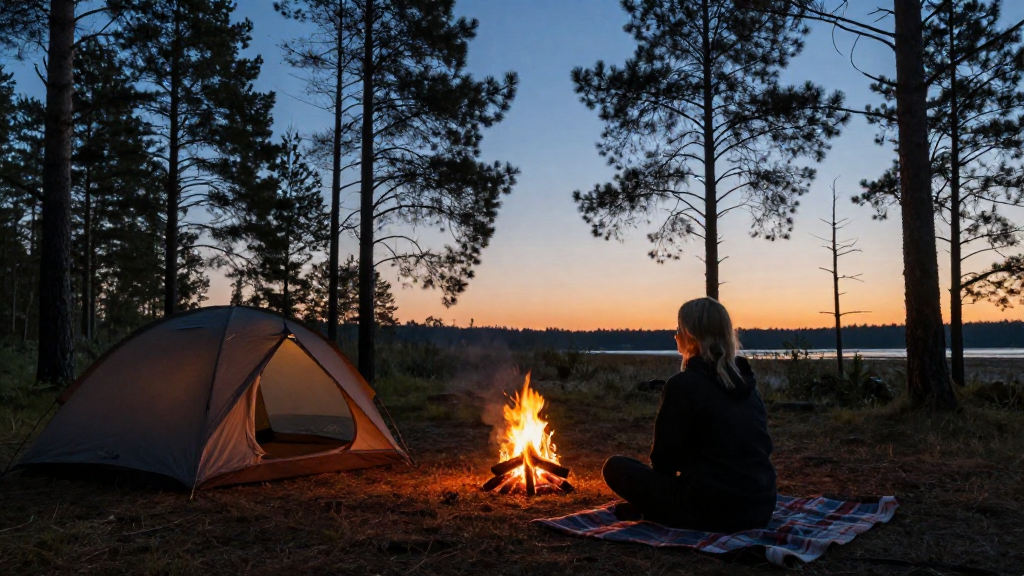
Camping for mental health can be a powerful remedy in our fast-paced, technology-driven lives.
When we step away from screens and immerse ourselves in nature, we unlock numerous benefits for our emotional well-being.
In this article, we will explore the various ways camping can positively impact mental health and why you should consider taking a trip into the great outdoors.
How Does Camping Improve Mental Health?
Camping for mental health opens the door to a world of benefits.
Here are some of the key ways in which camping can enhance your mental well-being:
-
Connection to Nature:
Being in nature has a calming effect.
The sounds of birds chirping, leaves rustling, and water flowing can reduce anxiety and promote relaxation. -
Digital Detox:
A camping trip offers a perfect opportunity to unplug from technology.
Reducing screen time can lead to improved focus, better sleep, and reduced stress levels. -
Physical Activity:
Engaging in outdoor activities like hiking, swimming, or fishing gets your body moving.
Increased physical activity releases endorphins, which can help alleviate symptoms of depression and anxiety. -
Mindfulness and Presence:
Camping encourages mindfulness through activities like stargazing or simply enjoying a campfire.
This focus on the present can help reduce ruminating thoughts and promote mental clarity. -
Social Connections:
Whether camping with friends, family, or in a group setting, you build deeper social bonds.
Positive social interactions are key to emotional well-being.
Can Camping Reduce Stress and Anxiety?
Camping for mental health serves as an excellent stress-relief strategy.
When you immerse yourself in nature, the pressures of everyday life begin to fade away.
Here’s how camping can help:
-
Nature as a Stress Reliever:
Research shows that spending time in nature can lower cortisol levels, the body’s primary stress hormone.
Engaging in outdoor activities can create a sense of freedom and reduce feelings of stress. -
Routine Disruption:
Getting away from your daily routine can provide a mental reset.
This break allows you to recharge and return to your daily life with renewed energy and perspective. -
Peaceful Environment:
The serene surroundings of campsites allow for quiet reflection and meditation, which are known to alleviate anxiety.
The simplicity of camping encourages you to focus on the important aspects of life.
What Role Does Camping Play in Building Resilience?
Camping for mental health contributes to personal growth and resilience.
It challenges you to step out of your comfort zone, which is crucial for emotional development.
Camping can build resilience in several ways:
-
Problem-Solving Skills:
Dealing with unexpected situations while camping—like bad weather or equipment issues—encourages adaptability.
This can improve your problem-solving skills and increase your confidence in managing life’s challenges. -
Self-Sufficiency:
Camping requires preparation and resourcefulness.
When you learn to set up tents, prepare meals, and navigate natural environments, you foster a sense of independence and self-reliance. -
Overcoming Fear:
Stepping into the wilderness can be intimidating, especially for beginners.
Facing these fears head-on helps build mental strength and encourages personal growth.
How Can Camping Help With Social Connections?
Social connections are essential factors in maintaining good mental health, and camping for mental health provides ample opportunities for building relationships.
Here’s how camping fosters social interaction:
-
Shared Experiences:
Engaging in activities such as hiking or cooking together strengthens bonds and creates lasting memories.
The shared experiences can help deepen friendships and family connections. -
Group Dynamics:
Whether you’re part of a camping club or simply spending time with loved ones, group dynamics can enhance emotional support.
The sense of community can buffer feelings of loneliness and isolation. -
Encouragement and Support:
When faced with challenges in a camping setting, friends can provide encouragement.
These supportive interactions foster a sense of belonging and trust.
What Are the Mental Health Benefits of Physical Activity While Camping?
The physical activity involved in camping serves as an effective strategy for improving mental health.
Engaging in different activities can uplift your mood and promote better cognitive function.
Some specific benefits include:
-
Release of Endorphins:
Physical activity releases feel-good hormones that can help reduce anxiety and depressive symptoms.
Hiking, swimming, or biking are all great ways to get your heart rate up while enjoying nature. -
Improved Sleep Quality:
Outdoor activities can contribute to better sleep patterns.
Camping allows you to reconnect with your natural sleep cycle, which is crucial for mental clarity and emotional regulation. -
Boost in Creativity:
Physical exertion often leads to creative thinking.
Time spent in nature may inspire new ideas and solutions, improving your overall cognitive health.
In Conclusion: Should You Consider Camping for Mental Health?
The multitude of benefits associated with camping for mental health makes it a worthwhile activity for anyone looking to improve their emotional well-being.
By connecting with nature, engaging in physical activities, building social connections, and reducing stress, you are investing in your mental health.
Whether you go solo or with friends, a camping trip can be an invaluable experience.
So gear up, gather your supplies, and escape to the great outdoors!
Embrace the tranquility and let the calming embrace of nature soothe your mind and lift your spirits.